

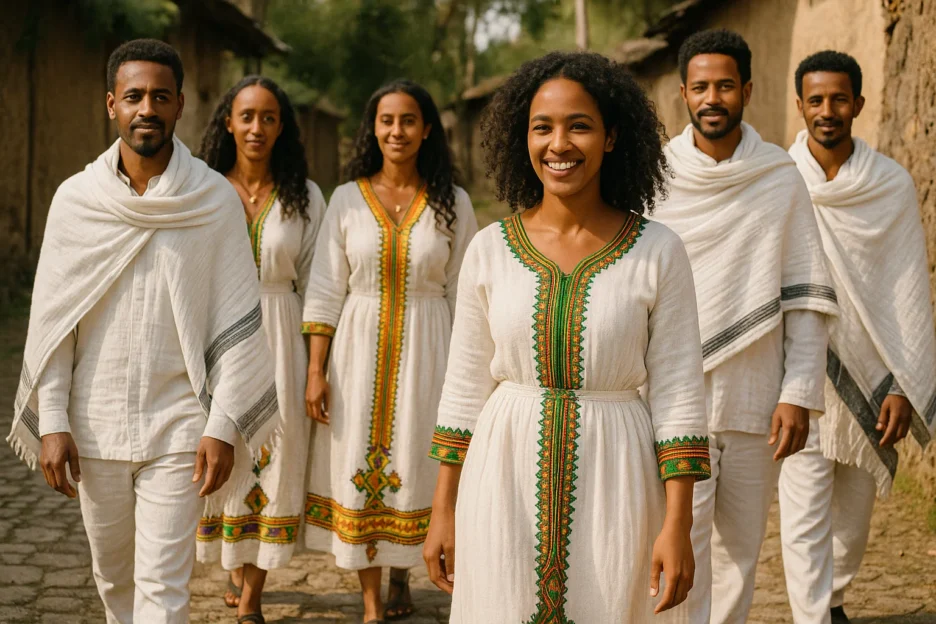
Why Traditional Ethiopian Outfits Still Captivate — A Deep Dive into Habesha Dress & Culture
Overview
Woven with centuries of history, culture, and artistry, traditional Ethiopian outfits are more than just clothing—they’re a vibrant expression of identity and heritage. From the elegant, hand-embroidered Habesha kemis to the versatile netela shawl, these garments capture the story of a diverse nation. This guide is for those interested in cultural fashion, global textiles, or connecting with Ethiopian roots. We’ll explore key garments, the craft behind them, and how to wear, care for, and buy these beautiful pieces.
Signature Garments Explained
Ethiopian clothing features distinct pieces, each with cultural meaning. The most iconic are the Habesha kemis and shawls like the netela, shamma, and gabi. Recognizing these core items reveals the depth of Ethiopian textile tradition.
What is a Habesha kemis?
The Habesha kemis is the classic dress for Ethiopian and Eritrean women. Usually white and handwoven from cotton, it ranges from ankle-length to floor-length. What sets each kemis apart is the tibeb—an embroidered, colorful border on the neckline, cuffs, and hem. This detail often reflects the wearer’s region or individuality.
Netela vs. Shamma vs. Gabi
All three are handwoven shawls, but they differ in use. The netela is a large, lightweight shawl with a tibeb border, typically worn by women in many styles. The shamma is similar but more often worn by men. The gabi is thick and heavy, with four layers, and provides warmth in Ethiopia’s highland regions.
Fabric & Craft: Handwoven Shema and Tibeb
Traditional Ethiopian outfits shine thanks to their expert craftsmanship. The making starts with local cotton, hand-spun into thread, then woven on a loom into shema—the foundation for most garments.
How Garments Are Woven and Embroidered
Skilled weavers (shemané) use pit looms to produce soft, breathable shema fabric. After weaving, artisans add tibeb—detailed embroidery—directly to the fabric. Tibeb can be geometric or floral, using colored cotton, silk, or metallic threads, making each piece unique.
Regional Variations Across Ethiopia
With over 80 ethnic groups, Ethiopia’s clothing reflects deep regional diversity. The well-known white Habesha kemis is just one expression among many distinct styles, colors, and materials.
Amhara, Tigray, Oromo, and Gurage Styles
Northern groups like Amhara and Tigray favor classic white garments with delicate tibeb. Oromo attire is often bolder, featuring stripes and heavier fabrics. Gurage women’s outfits are especially detailed with fine embroidery. Each area’s designs highlight its cultural story.
Occasions & Cultural Meaning
Ethiopian outfits are important symbols, reserved for life’s big moments and communal celebrations. Wearing traditional dress connects people to community, ancestors, and faith.
When and Why People Wear Traditional Outfits
You’ll see traditional garments most during weddings, with couples often in elaborate styles. Festivals like Meskel and Timket bring out colorful, proud displays. Outfits are also worn for national holidays and family gatherings to express cultural unity.
How to Identify Authentic Hand-Woven Garments
If you want a real Ethiopian outfit, knowing how to spot authentic handweaving is key. Real shema feels soft and reveals slight imperfections—natural proof of human craftsmanship.
Spotting Handloom vs. Machine-Made
Real handwoven garments have gentle, charming irregularities in the weave and a soft, lightweight feel. Tibeb should be woven in, not sewn on. You may notice the reverse of the pattern on the back, a hallmark of handmade artistry.
Price Expectations & Seller Checklist
True handwoven clothes are more expensive, often $100 to $500+, depending on their detail. Ask sellers about the garment’s origin and if the tibeb is woven. Choose reputable shops or artisans proud to share the story behind their work.
How to Wear & Style Traditional Ethiopian Outfits
These garments are flexible—there are classic styles, but modern fashion is mixing traditional pieces in bold, creative ways for both formal and casual settings.
Traditional Draping and Modern Fusion Looks
Traditionally, the netela is draped over the hair in church or around the shoulders at home. The Habesha kemis is worn as a full dress, usually paired with a netela. Today, designers blend tradition with jeans or shorter dresses, making old styles fresh and stylish.
Caring for Handwoven Ethiopian Textiles
To keep these beautiful garments for years, you need gentle care. Both shema and tibeb embroidery require careful washing and storage.
Washing, Storage, and Light-Repair Tips
Always handwash in cold water with mild soap. Never wring or twist the fabric. After washing, roll it in a towel to remove water, then lay flat or hang in the shade to dry. Store in a cool, dry spot, folding carefully to keep its shape and color.
Where to Buy Authentic Traditional Ethiopian Outfits
It’s now much easier to buy original Ethiopian garments, both online and in cities with Ethiopian communities. Choosing the right retailer makes all the difference.
Online Marketplaces and Diaspora Communities
Etsy and similar handmade marketplaces connect you with Ethiopian sellers worldwide. Look for good reviews and thorough descriptions. In cities like Washington D.C. or London, you can find shops and tailors for custom or imported items. Buying from artisan cooperatives gives back to the craft’s roots.
The Business of Tradition: Contemporary Ethiopian Designers
Modern Ethiopian designers are making traditional textiles stylish and relevant in the global fashion world. They honor heritage while appealing to new trends.
Diaspora Brands Blending Tradition & Modern Fashion
Some designers create ready-to-wear or couture clothing, using shema and tibeb in striking ways. By combining old and new, they support artisans back home and keep weaving traditions alive, introducing these styles to new generations.
Pros & Cons of Owning Traditional Ethiopian Outfits
Traditional Ethiopian outfits are beautiful and meaningful but do require care and investment. Here are a few considerations.
- Pros:
- Every garment is a unique work of art.
- They express deep cultural heritage and history.
- Purchasing authentic pieces helps preserve artisan traditions.
- The cotton is soft and comfortable.
- Cons:
- These pieces need delicate care and storage.
- Real handmade garments are costlier than mass-market options.
- New buyers may find it hard to spot authentic items at first.
Frequently Asked Questions
What is a Habesha kemis?
A Habesha kemis is a traditional, white, handwoven dress for Ethiopian and Eritrean women. It’s decorated with embroidered borders called tibeb, which show cultural or regional identity.
What is a netela and how is it worn?
A netela is a soft, double-layered cotton shawl with a decorative border. Women drape it around their shoulders for daily wear or cover their hair and face for church and special occasions.
What are the traditional materials used in Ethiopian outfits?
Most outfits use hand-spun, handwoven cotton called shema. Colorful tibeb embroidery uses cotton, silk, or metallic threads, making garments both beautiful and comfortable.
When are traditional Ethiopian outfits typically worn?
They are especially worn at weddings, religious festivals like Meskel and Timket, and national holidays. Traditional outfits celebrate key life events and cultural pride.
How do I tell if an Ethiopian dress is handwoven / authentic?
Look for a soft feel and small irregularities in the weave or embroidery. The tibeb should be woven in, not stitched on. Handmade items have a distinct, natural look.
Where can I buy authentic traditional Ethiopian outfits online?
Etsy is a great starting point for authentic, handmade outfits. Choose sellers from Ethiopia or the diaspora with strong reviews. Many designers now offer authentic options in their online stores.
Conclusion
Traditional Ethiopian outfits reflect a rich heritage, skilled hands, and enduring artistry. From the weaver’s loom to global runways, these garments link the past with the future. Supporting authentic craft helps preserve this unique tradition and keeps Ethiopian culture alive for generations.


Leave feedback about this