

USA Traditional Food: 20 Iconic American Dishes That Define Comfort & Heritage
Introduction
When most people think of USA traditional food, images of burgers, hot dogs, or apple pie may immediately spring to mind. But American cuisine is far more than fast food. It is a rich tapestry woven from centuries of indigenous traditions, immigrant influences, and regional adaptations. From the Three Sisters cultivated by Native Americans to Southern BBQ perfected over generations, each dish tells a story of culture, geography, and history.
In this guide, we will explore the depth of traditional American food, from its Native American roots to classic comfort dishes, regional specialties, desserts, and holiday favorites. Whether you are a foodie, traveler, or cultural enthusiast, this article provides a comprehensive journey through the flavors that define the United States. Along the way, we’ll also highlight modern adaptations and the revival of indigenous culinary traditions, ensuring a full perspective on America’s culinary heritage.
What Does “Traditional American Food” Mean?
Traditional American food is not a single cuisine but a collection of dishes shaped by the diverse cultures that have settled in the United States. Indigenous peoples provided early staples like corn, beans, and squash, which remain foundational. European immigrants introduced techniques, flavors, and dishes, from hearty meatloaf to sweet desserts like pies and cookies. African American culinary traditions contributed BBQ methods, spices, and soul food classics.
It is also crucial to recognize the regional variation: New England favors seafood and chowders, the South boasts barbecue and jambalaya, the Midwest celebrates comfort food staples, and the Southwest offers Tex-Mex flavors. Understanding “traditional” food in America means embracing its diversity, history, and cultural stories rather than limiting it to a single style.
Native American Roots – The Original American Foods
The Three Sisters — Corn, Beans, Squash
One of the most enduring contributions of Native American agriculture is the Three Sisters: corn, beans, and squash. These crops were planted together in a symbiotic system, providing balanced nutrition and sustainable farming. Corn serves as the staple, beans enrich the soil with nitrogen, and squash spreads across the ground, suppressing weeds and conserving moisture.
Pemmican, Wild Rice, and Other Indigenous Staples
Indigenous diets also included pemmican — a high-energy mixture of dried meat, fat, and berries — and wild rice, a nutritious grain cultivated in regions like the Great Lakes. These foods were essential for survival and influenced the dietary landscape of early America, leaving a mark on modern dishes like stews, casseroles, and hearty grain-based meals.
Frybread – Cultural Significance and Controversy
Frybread is both iconic and controversial. Introduced during forced relocations, it symbolizes resilience but also colonial oppression. While often served with toppings like honey or beans, many indigenous communities emphasize its historical context and are reviving traditional foods beyond frybread to reflect authentic Native American foodways.
Classic Comfort Foods that Define U.S. Cuisine
America’s culinary identity is also defined by comfort foods, often hearty, filling, and nostalgic:
- Burgers & Hot Dogs: Staples of backyard cookouts and city diners alike.
- Macaroni & Cheese: A creamy, cheesy favorite across generations.
- Meatloaf: A classic of family dinners, combining minced meat, breadcrumbs, and seasoning.
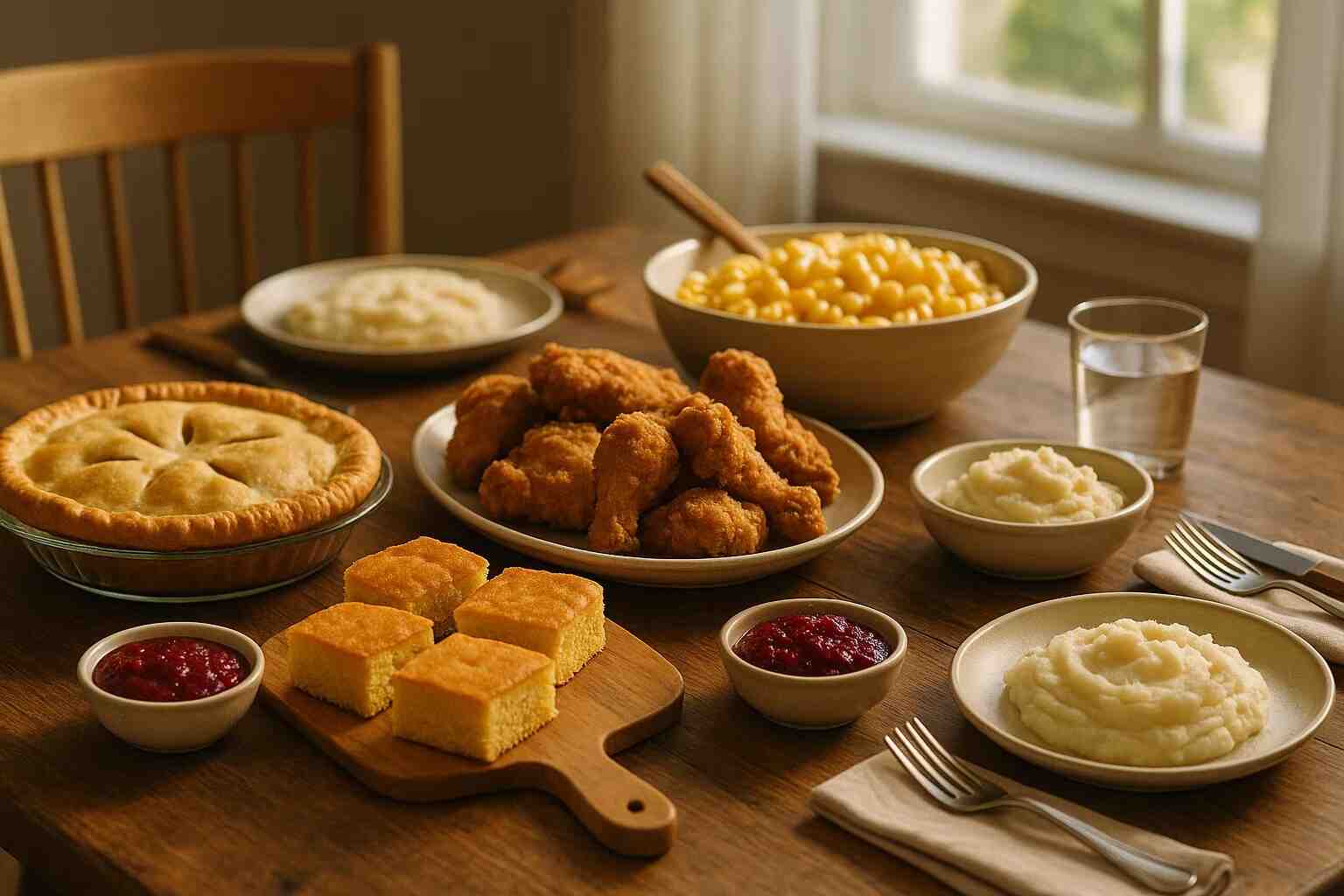
- Fried Chicken: Crispy, seasoned, and emblematic of Southern cooking traditions.
These dishes are more than sustenance; they evoke memories and symbolize the evolving American palate.
Iconic American Desserts
No discussion of traditional food is complete without desserts:
- Apple Pie: Known as a symbol of American tradition — “as American as apple pie.”
- Chocolate Chip Cookies: Invented in the 1930s, now a ubiquitous treat.
- Boston Cream Pie & Pecan Pie: Regional desserts with deep cultural roots.
- Brownies & Donuts: Sweet comfort foods that have become globally recognized.
Desserts are often tied to celebrations, holidays, or simply the ritual of afternoon indulgence, showing the social role of food in American life.
Regional American Delicacies
Southern BBQ and Ribs
The South is known for slow-cooked, smoked meats, with sauces varying from vinegar-based (North Carolina) to sweet tomato (Kansas City) and mustard-based (South Carolina). Regional traditions also influence side dishes like collard greens, baked beans, and cornbread.
New England Clam Chowder
Clam chowder comes in two major varieties:
- New England (white): Creamy base with clams, potatoes, and onions.
Manhattan (red): Tomato-based, often with more vegetables and seafood variety.
Each style reflects local ingredients and historical preferences in the Northeast.
Cajun & Creole — Gumbo, Jambalaya
In Louisiana, Cajun and Creole cuisines are central.
- Gumbo: A thick stew with okra, sausage, and seafood.
- Jambalaya: A spiced rice dish combining meats, seafood, and vegetables.
These dishes show the blending of French, African, Spanish, and Native American influences.
Traditional American Breads and Side Dishes
- Cornbread: Native and Southern variations — baked or skillet-fried.
- Biscuits & Gravy: Southern breakfast classic.
- Tater Tots & Mashed Potatoes: Comforting side staples for family meals.
These accompany main dishes and reinforce the hearty, satisfying nature of American cuisine.
Holiday and Festive Foods
American holidays showcase seasonal and regional food traditions:
- Thanksgiving: Roast turkey, stuffing, cranberry sauce, pumpkin pie.
- Independence Day / BBQs: Grilled meats, potato salad, corn on the cob.
- Christmas & Winter Celebrations: Ham, roasted vegetables, and festive desserts.
Food is central to celebrations, connecting families, communities, and cultures.
How Traditional Foods Have Evolved
American cuisine is dynamic, with classic dishes adapted to modern tastes:
- Health-conscious versions: Reduced-fat mac & cheese, baked fried chicken.
- Plant-based adaptations: Vegan burgers, meatless barbecue.
- Immigrant fusion: Tex-Mex, Italian-American pizza, and pasta dishes.
- Revival of indigenous foodways: Chefs now spotlight corn, beans, squash, and traditional preparation methods.
Evolution reflects both creativity and a desire to honor tradition while meeting modern lifestyles.
Eating Traditional Food in the U.S. Today
To experience authentic traditional American food:
- Visit local restaurants specializing in regional dishes.
- Attend food festivals: e.g., Southern BBQ festivals, clam chowder events in New England.
- Explore farm-to-table experiences highlighting indigenous ingredients.
Travelers should seek local markets and chefs, not just chains, to truly appreciate diversity.
Pros & Cons of Traditional American Food
Pros:
- Diverse, culturally rich, comforting.
- Offers historical and regional storytelling through food.
- Evolution allows modern adaptations and inclusivity.
Cons:
- Often high in calories, fats, or sugar.
- Regional accessibility can vary — some dishes are localized.
- Modern industrial versions may lack authentic flavors.
Conclusion
USA traditional food is a reflection of history, geography, and culture. From the enduring legacy of Native American staples to comfort foods, desserts, and regional specialties, each dish tells a story of people, places, and traditions. Exploring these foods offers more than flavor — it provides a cultural journey through the heart of America.
Whether trying an authentic BBQ in the South, enjoying apple pie on a festive holiday, or learning about indigenous ingredients, traditional American cuisine continues to evolve while honoring its roots. By understanding and experiencing these foods, we celebrate the diversity and creativity that make American culinary heritage truly iconic.
FAQ
What are some traditional American foods native to the USA?
Corn, beans, squash, pemmican, wild rice, frybread, and other indigenous staples.
Which foods are considered classic Southern American cuisine?
Fried chicken, BBQ ribs, biscuits & gravy, cornbread, and jambalaya.
Why is apple pie considered a symbol of American tradition?
It represents comfort, prosperity, and the melding of immigrant baking traditions with local ingredients.
What Native American foods contributed to traditional American cuisine?
Corn, beans, squash, wild rice, pemmican, succotash, and frybread influenced regional and modern dishes.
How has American traditional food evolved over time?
Through health-conscious adaptations, plant-based versions, immigrant fusions, and revival of indigenous ingredients.
What foods are commonly eaten during American holidays?
Thanksgiving: turkey, stuffing, pumpkin pie; Independence Day: BBQ, corn, potato salad; Christmas: ham, roasted vegetables, desserts.
Greek Meal Traditions Explained: Must‑Try Street Foods, Family Classics, and Island Flavors






Leave feedback about this