
How Today’s Workers Are Rethinking Retirement Savings
Table of Contents
- Changing Retirement Perspectives
- Economic Challenges Impacting Savings
- The Rise of Portable Retirement Plans
- Automation in 401(k) Plans
- Generational Differences in Retirement Planning
- Employer-Employee Disconnect on Retirement Readiness
- Strategies for Enhancing Retirement Savings
- Conclusion
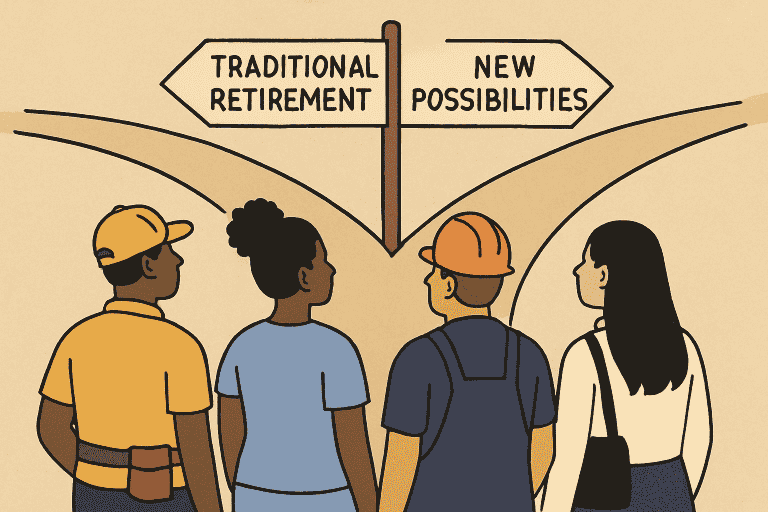
Retirement saving is no longer a one-size-fits-all journey. With seismic shifts in both the economy and personal expectations, today’s employees are reevaluating how they approach their financial futures. Workers are no longer solely focused on traditional retirement models and are instead seeking financial security that aligns with their modern lifestyles. Solutions such as the ability to manage your company’s 401(k) have become integral to this evolving landscape.
The focus has shifted not only to accumulating wealth, but also to achieving a retirement that supports new experiences and ongoing personal growth. Flexibility, personalization, and active engagement have become watchwords for what individuals seek in retirement planning. As the labor market changes, so does the need for adaptable approaches to savings, with workers seeking ways to mitigate economic pressures while leveraging new financial tools to their full advantage.
Changing Retirement Perspectives
The concept of retirement is undergoing dynamic shifts. Where previous generations envisioned quiet years of rest and routine, a growing number of today’s workers aspire to vibrant, adventurous retirements. A recent survey highlights that over one-third of Americans want to travel, reskill, start new ventures, or engage in volunteer work during retirement, redefining what it means to leave the workforce. The desire to stay active and fulfilled is now influencing not only lifestyle choices but also the ways people save and plan for their retirement years.
This shift in perspective is also tied to an increased sense of financial independence and flexibility, as workers recognize that personal fulfillment often requires resources beyond mere subsistence. According to a feature in The New York Times, people are planning for longer, more active post-work lives, and this shift is driving changes from both psychological and financial standpoints.
Economic Challenges Impacting Savings
Despite growing intentions to pursue meaningful retirements, many workers face hurdles that make saving for retirement a challenge. One of the most pressing issues is the rising cost of living. Recent data suggest that 63% of employees cite day-to-day expenses as the top barrier preventing them from increasing their retirement contributions. Furthermore, 14% have found themselves withdrawing from retirement accounts to handle regular monthly expenses—a move that can have long-term consequences for their financial futures.
Inflation, stagnant wages, and mounting household debt have forced many to prioritize immediate financial needs over long-term planning. This trend is particularly pronounced among younger workers and households with low to middle incomes. Many financial experts recommend creating detailed budgets and setting incremental goals, which can help individuals gradually build retirement savings even in unfavorable economic climates. Additional information on overcoming these obstacles can be found through CNBC’s financial guidance resources.
The Rise of Portable Retirement Plans
With career paths growing less linear and job changes more frequent, the demand for portable retirement savings options is surging. The median length of time Americans stay with one employer fell to a record low of 3.9 years in early 2024, making it difficult for workers to build significant savings in a single employer’s plan. Portable Retirement Plans (PRPs), such as IRAs and rollover-friendly 401(k)s, address this issue by enabling individuals to transfer their accumulated retirement funds easily as they change jobs.
These options are particularly valuable for freelancers, the self-employed, and gig economy workers who may never have access to a traditional company-sponsored plan. With tax advantages, a wide range of investment choices, and control over asset allocation, portable plans empower mobile workers to maintain a consistent approach to saving even when their employment status changes.
Automation in 401(k) Plans
The proliferation of automated features in 401(k) plans is making it easier for employees to save consistently and improve their long-term outcomes. Elements like automatic enrollment, automatic escalation of contribution rates, and target-date funds are now standard in many plans, encouraging even reluctant savers to steadily build their nest eggs. Studies have shown that automatic enrollment, in particular, significantly boosts participation rates and reduces procrastination.
Even with these improvements, a coverage gap persists, as nearly half of private-sector workers still lack access to a workplace retirement plan. Policymakers and financial institutions have begun to address this issue by expanding government-sponsored options and enhancing rollover protections, with the goal of making secure retirement savings more accessible to all.
Generational Differences in Retirement Planning
Each generation faces a distinct set of challenges and opportunities when it comes to retirement savings. Gen Z, for example, has the lowest participation rate in retirement plans, with only one in five currently saving for retirement. Factors such as high student loan debt, non-traditional employment, and a lack of financial literacy education can hinder young workers from prioritizing long-term savings goals.
In contrast, millennials and Gen X workers are often balancing saving for retirement with raising families and repaying debts. Baby boomers, many of whom are approaching retirement age, may still be catching up after weathering economic downturns. Resources such as Forbes Finance Council provide actionable strategies for bridging the generational gap and overcoming these unique challenges.
Employer-Employee Disconnect on Retirement Readiness
Despite employers feeling confident about the support they offer, many employees feel unprepared for retirement. This gap is often fueled by inadequate communication, insufficient education about available benefits, or a lack of tailored resources for specific workplace demographics. Addressing this disconnect requires employers to invest in more effective benefits communication, offer more comprehensive financial education, and establish channels for ongoing dialogue.
Companies that proactively bridge this divide see increased employee satisfaction and higher participation in savings plans—critical steps in fostering workplace financial wellness.
Strategies for Enhancing Retirement Savings
Start Early
The sooner workers begin saving, the more they benefit from compounding interest. Starting early also allows investors to weather market volatility and take on growth-oriented investments.
Automate Contributions
Setting up automatic transfers to retirement accounts helps ensure consistent, disciplined saving. Many employers now offer automatic payroll deductions into 401(k) or similar plans to make saving habitual and effortless.
Maximize Catch-Up Contributions
Those over 50 can take advantage of increased contribution limits in most retirement accounts. This is a valuable way to make up for lost time and close any savings gaps before retirement.
Consult Financial Professionals
Working with a financial advisor can help tailor a retirement plan to address individual needs, risk tolerance, and future goals, especially amid rapidly shifting economic and workplace dynamics.
Conclusion
The landscape of retirement is being reimagined to better align with the expectations, career paths, and financial realities of today’s workers. By embracing change, adopting innovative savings strategies, and leveraging new tools and resources, individuals can build security and fulfillment into their retirement plans, regardless of what the future holds.






Leave feedback about this