

How Men’s Fashion Trends 2026 Are Redefining Modern Style
Introduction – Why Men’s Fashion Trends in 2026 Matter
If you’ve been paying attention to the runways or even just the street style in major cities like New York or London, you can feel a shift happening. We are moving away from the era of fast, blink-and-you-miss-it trends toward something far more substantial. Men’s fashion trends 2026 aren’t just about what’s new; they are about what lasts. This year marks a significant transition where personal style finally takes precedence over rigid fashion rules.
In my experience watching these cycles, 2026 is shaping up to be a year defined by intention. We are seeing a move away from buying clothes just for the sake of it. Instead, factors like climate change, technological integration, and evolving work-life balances are dictating what hangs in our closets. It’s no longer enough for a jacket to just look cool; it needs to function in a commute that might blend subway rides with biking, or a workday that splits between a home office and a corporate boardroom.
The difference this year lies in adapting rather than following. It’s about taking the cues from high fashion and making them work for your actual life. In this guide, we’ll break down exactly what you need to know to navigate this landscape with confidence.
What you will learn in this guide:
- Why comfort-first tailoring is replacing stiff suits.
- How utility and techwear are merging for everyday function.
- The critical role of sustainability in modern wardrobes.
- Practical tips for styling these trends in the USA and UK.
Quick Overview
Men’s fashion trends 2026 refer to the evolving style movements predicted to dominate the menswear market in the coming year. These trends emphasize relaxed silhouettes, functional utility wear, sustainable materials, and a color palette that balances earth tones with digital brights. The focus is on versatility, longevity, and comfort.
Table of Contents
- How Men’s Fashion Trends Are Predicted for 2026
- Relaxed Tailoring Becomes the New Standard
- Utility, Techwear, and Functional Fashion
- Sustainable and Circular Men’s Fashion Trends
- Color Trends Defining Men’s Fashion in 2026
- Men’s Fashion Trends 2026 by Lifestyle (Real-Life Styling)
- Pros and Cons of Following Men’s Fashion Trends in 2026
- Common Mistakes Men Make When Following Fashion Trends
- Men’s Fashion Trends 2026 vs 2025: What’s Changing?
- How to Build a Trend-Ready Wardrobe for 2026
- Conclusion – The Future of Men’s Fashion Beyond 2026
- FAQs – Men’s Fashion Trends 2026
How Men’s Fashion Trends Are Predicted for 2026
You might wonder where these predictions actually come from. It’s not just a group of designers in a room deciding that blue is the color of the month. The process is a mix of art and hard data. Trustworthy forecasting relies on analyzing everything from runway shows in Paris and Milan to the raw data of social media engagement.
When I look at trend reports, I’m seeing a heavy reliance on “street style” data. Analysts look at what real people are wearing outside the shows, not just what models are wearing on the catwalk. This provides a much more grounded view of what will actually sell in stores in the USA and UK.
Furthermore, AI is playing a massive role. Algorithms now track consumer behavior patterns, identifying micro-trends before they even hit the mainstream. This data-driven approach means that the men’s fashion trends 2026 we see are more likely to stick around because they are based on actual user demand rather than top-down dictation.
- Runway analysis: Designers set the mood, but the street confirms the trend.
- Social listening: TikTok and Instagram offer real-time feedback loops.
- Economic shifts: Inflation and spending power directly influence design simplicity.
Relaxed Tailoring Becomes the New Standard
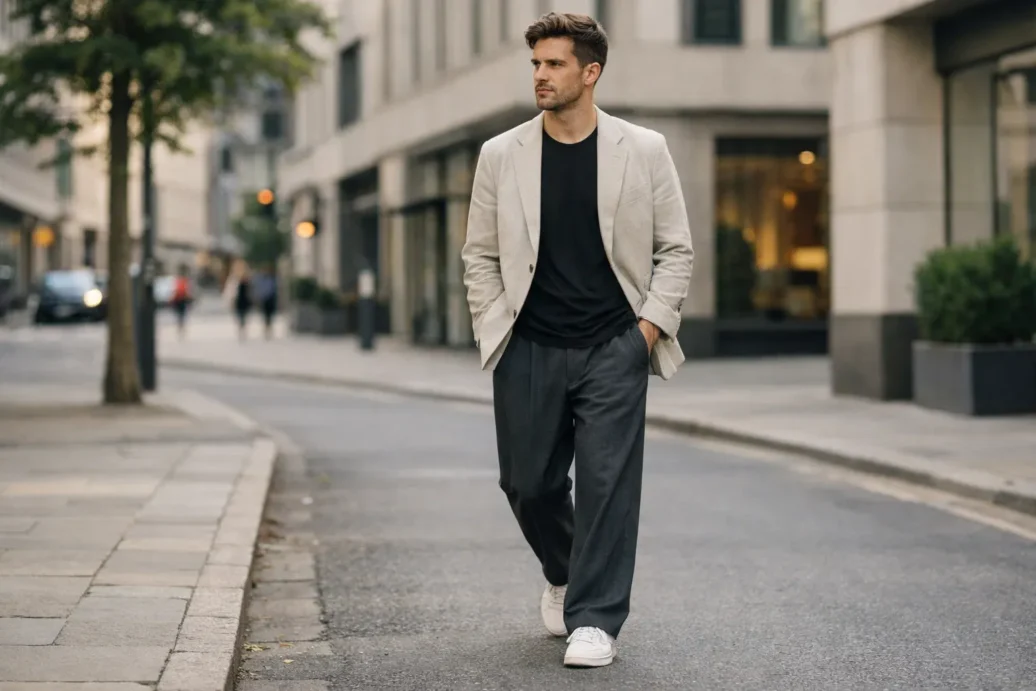
If there is one trend I am personally relieved to see, it’s the death of the “skinny fit” suit. For 2026, tailoring is evolving entirely toward comfort-first design. We are talking about softer silhouettes that drape over the body rather than constricting it.
The “unstructured blazer” is the hero piece here. It lacks the stiff padding and lining of traditional suits, making it feel more like a cardigan than a corporate uniform. I’ve noticed that even high-end brands are incorporating elastic waists into dress trousers. They call it “hybrid tailoring,” but really, it’s just acknowledging that men want to be comfortable.
This shift is perfect for the modern hybrid worker. You can wear a relaxed suit with a t-shirt to a creative office, or split the pieces up for weekend wear. It bridges the gap between looking professional and feeling at ease.
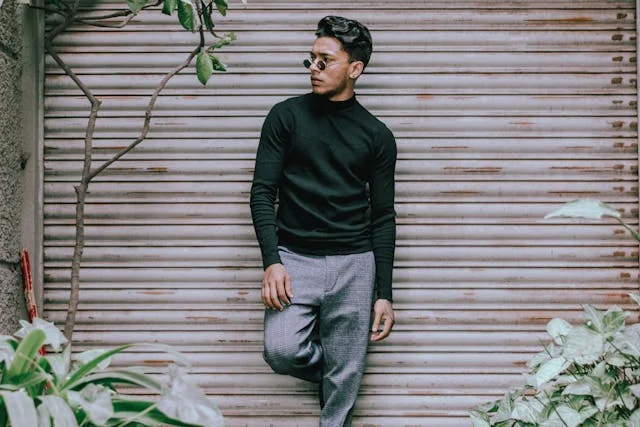
- Styling tip: Pair wide-leg trousers with a fitted knit polo to balance proportions.
- Fabric focus: Look for wool blends with a touch of stretch.
- The vibe: Effortless elegance rather than rigid formality.
Utility, Techwear, and Functional Fashion
Function is meeting fashion head-on in 2026. This isn’t the cosplay-style techwear of the past with straps hanging everywhere; it is refined utility. Think cargo pants that look sharp enough for a dinner date, or jackets made from high-performance fabrics that don’t look like hiking gear.
I’ve found that the practicality of this trend is its biggest selling point. We are seeing multi-pocket designs that actually make sense for carrying modern devices. Brands are using weather-resistant fabrics like Gore-Tex in everyday items like trench coats and blazers.
This trend is driven by lifestyle changes. Commutes are more active, travel is picking up, and men need clothes that can handle a sudden downpour without ruining the look. Smart textiles are also entering the chat, offering breathability and temperature regulation that traditional cotton just can’t match.
Key elements of this look:
- Discreet cargo pockets that lay flat against the leg.
- Water-repellent coatings on natural fibers.
- Modular designs, like jackets with detachable hoods or linings.
Sustainable and Circular Men’s Fashion Trends
Sustainability has officially moved from a marketing buzzword to a baseline expectation. In 2026, if a brand isn’t transparent about its supply chain, it’s going to struggle. The focus has shifted to “circular fashion”—the idea that clothes should be designed to be recycled or repaired, not thrown away.
I’ve noticed a massive uptick in brands offering repair services. Instead of buying a new pair of jeans when yours rip, the trend is to mend them, visibly or invisibly. It adds character and longevity to the garment. Recycled fabrics are also becoming indistinguishable from virgin materials, removing the “crunchy” stigma of eco-fashion.
Consumers are getting smarter about greenwashing. We are looking for certifications and clear data on water usage and carbon footprints. Embracing a “slow fashion” mindset—buying fewer, better things—is perhaps the most significant trend of all.
- What to look for: “Take-back” programs where brands recycle your old gear.
- Material innovation: Leather alternatives made from mushrooms or cactus.
- Mindset shift: Viewing clothing as a long-term asset, not a disposable good.
Color Trends Defining Men’s Fashion in 2026
The color palette for men’s fashion trends 2026 is a fascinating study in contrast. On one hand, we have deep, grounding earth tones. Think moss greens, terracotta browns, and slate grays. These colors feel safe, reliable, and connected to nature, which resonates with the sustainability focus.
On the other hand, we are seeing “digital brights.” These are punchy, almost neon hues—electric blue, cyber lime, and vivid violet—that seem ripped straight from a screen. These aren’t usually for head-to-toe looks (unless you’re very brave), but serve as powerful accent colors.
In my experience, the best way to handle this is to keep your core wardrobe neutral and use these brights for accessories or single statement pieces. A beige trench coat over a neon orange sweater is a very 2026 look. It balances the timeless with the futuristic.
Palette breakdown:
- Base layers: Oatmeal, charcoal, navy, and olive.
- Accents: Digital lavender, safety orange, and hyper-blue.
- Seasonal shift: Lighter pastels moving into early autumn styling.
Men’s Fashion Trends 2026 by Lifestyle (Real-Life Styling)
Trends are useless if they don’t fit your actual life. Here is how I see these concepts translating into different scenarios for the average guy in the US or UK.
Office & Hybrid Work
The “Power Suit” is dead; long live the “Soft Suit.” For office days, opt for the relaxed tailoring we discussed. A pair of drawstring wool trousers with a crisp white sneaker and a chore coat looks professional but feels like pajamas.
- Do: Mix textures like knitwear with cotton.
- Don’t: Wear gym clothes and call it “athleisure.” There is still a line.
Casual & Weekend Wear
This is where utility shines. Cargo joggers paired with a heavyweight hoodie and a technical vest are perfect for running errands. It’s practical, warm, and looks intentional.
- Do: Invest in high-quality basics like heavy cotton tees.
- Don’t: Over-accessorize; keep it clean.
Formal Events
Even formal wear is loosening up. Tuxedos are exploring textures like velvet and even denim-look wools. Ties are becoming optional in many settings, replaced by silk scarves or air ties (buttoned up, no tie).
- Do: Focus on the fit of the shoulder; it anchors the whole look.
- Don’t: Rent ill-fitting tuxes; buy a good separates combination instead.
Pros and Cons of Following Men’s Fashion Trends in 2026
It is easy to get swept up in the hype, but maintaining a balanced perspective helps build a wardrobe you won’t regret.
The Pros:
- Confidence Boost: There is a tangible psychological lift when you know you look current and sharp.
- Better Tech: Following trends often means you get access to the latest fabric technologies, like moisture-wicking wools or stain-resistant shirts.
- Social Currency: Being well-dressed signals awareness and attention to detail, which helps in both professional and personal circles.
The Cons:
- Trend Fatigue: Trying to keep up with every micro-trend is exhausting and expensive.
- Poor Fit Choices: Just because wide-leg pants are “in” doesn’t mean they flatter every body type.
- Waste: Buying into fleeting fads contributes to the textile waste problem we are trying to solve.
Common Mistakes Men Make When Following Fashion Trends
I’ve made plenty of style errors in my time, and I see guys making the same ones every year. The biggest mistake is blindly copying influencers without considering context. What looks good on a 20-year-old model on Instagram might look out of place in a corporate meeting room.
Another major error is ignoring body type. The relaxed fit trend is great, but if you are shorter, drowning yourself in fabric will only make you look smaller. You need to balance the volume. If you wear wide pants, keep the top half slightly more fitted.
Over-layering is another trap, especially with techwear. You don’t need a vest, a jacket, a harness, and a backpack all at once. It looks costumey. Subtlety is always more stylish than excess.
- Mistake: Buying the “It” item that doesn’t match anything else you own.
- Fix: adhere to the “rule of three”—if you can’t make three outfits with it, don’t buy it.
- Mistake: prioritizing style over comfort.
- Fix: If it itches or pinches, you won’t wear it. Put it back.
Men’s Fashion Trends 2026 vs 2025: What’s Changing?
For those of you who updated your wardrobe last year, you might be asking: do I need to start over? Absolutely not. Men’s fashion trends 2026 are an evolution, not a revolution, compared to 2025.
What’s Fading Out:
The extreme “Y2K” nostalgia is calming down. We are seeing less of the chaotic, ironic fashion and more refined aesthetics. Also, the super-skinny jean is definitively burying itself deeper in the grave.
What’s Evolving:
Workwear continues to be huge, but it’s becoming cleaner. The distressed, paint-splattered look of 2025 is being replaced by pristine, high-quality carpentry styles. It’s less “I just painted a house” and more “architect off-duty.”
What’s Brand New:
The integration of AI-generated patterns and digital-first designs is new. We are seeing prints that look slightly glitchy or surreal, reflecting our digital lives.
- Silhouette: Moving from “oversized” to “voluminous but tailored.”
- Fabrics: A shift from pure cotton to smart blends.
- Vibe: From chaotic expression to curated intention.
How to Build a Trend-Ready Wardrobe for 2026
Building a wardrobe for 2026 doesn’t require a lottery win. It requires strategy. I recommend the “Capsule Wardrobe” approach. This means having a core of high-quality basics that all mix and match, peppered with a few trend-focused pieces.
Start with the investment pieces. A great unstructured blazer, a pair of high-quality relaxed trousers, and a technical raincoat are worth spending money on. These are the workhorses.
Then, use budget-friendly options for the riskier trends. Want to try that neon green color? Buy a beanie or a pair of socks first. If you love it, you can invest more later. This keeps your wallet safe while keeping your style fresh.
Actionable Steps:
- Audit your closet: Donate anything you haven’t worn in a year.
- Identify gaps: Do you need better rain gear? More comfortable work pants?
- Shop slowly: Buy one great piece a month rather than doing a massive haul.
Conclusion – The Future of Men’s Fashion Beyond 2026
As we look at men’s fashion trends 2026, it’s clear that the future of style is personal. The strict dictators of fashion have lost their power. Now, it is about how you use clothing to express your identity and facilitate your lifestyle.
The long-term shift is undeniably toward functionality and sustainability. We are moving toward a world where our clothes do more for us—protecting us from the elements, regulating our temperature, and lasting for decades rather than months.
My final advice to you is simple: trust your mirror. Use these trends as a menu, not a mandate. Pick the flavors that taste right to you. Whether it’s the comfort of relaxed tailoring or the utility of techwear, the best style is one that makes you forget you’re wearing it because you feel so completely yourself.
- Stay curious about new materials.
- Prioritize fit over label size.
- Wear what makes you feel powerful.
FAQs – Men’s Fashion Trends 2026
What are the biggest men’s fashion trends in 2026?
The biggest trends include relaxed and unstructured tailoring, functional techwear for daily use, sustainable “circular” fashion, and a color palette mixing earth tones with digital brights.
Are men’s fashion trends 2026 wearable in real life?
Yes, highly wearable. Unlike some past eras, 2026 trends focus on comfort and utility. Features like elastic waists in trousers and weather-resistant fabrics make these trends practical for everyday people.
How can men follow fashion trends without overspending?
Focus on accessories and colors first. A new scarf in a trending color is cheaper than a new coat. Also, adopt a “buy less, buy better” mentality to build a wardrobe that lasts longer.
What colors will dominate men’s fashion in 2026?
Expect a mix of grounding nature tones like moss green, brown, and slate gray, contrasted with “digital” accents like electric blue, cyber lime, and vivid violet.
Is sustainable fashion important for men in 2026?
It is critical. Sustainability is now a standard expectation. Look for recycled materials, repair services from brands, and high-quality garments designed to last years, not weeks.
How do men’s fashion trends differ between USA and UK?
The UK tends to embrace the “heritage” and tailoring trends more boldly, experimenting with textures like tweed in modern cuts. The USA often leans heavily into the “athleisure” and tech-utility side of the trends, prioritizing comfort and sport-inspired looks.
What trends should men avoid in 2026?
Avoid super-skinny fits, as they look dated. Also, be wary of “fast fashion” versions of techwear that have straps and buckles with no actual function—it looks costume-like rather than stylish.
You May Like This

Leave feedback about this