


Dress Suits for Men Explained: How to Choose the Perfect Fit & Style
Overview
Let’s be honest for a second: putting on a suit changes how you feel. There is a specific kind of confidence that comes from looking in the mirror and seeing a sharp, well-structured silhouette staring back at you. But getting to that point—finding the right one among thousands of dress suits for men—can be a headache. Whether you have a wedding invitation stuck on your fridge, a critical job interview lined up, or you simply realized your closet is lacking that one “power outfit,” this guide is for you.
In 2025, the rules of tailoring have shifted slightly. We aren’t just looking for stiff, uncomfortable armor anymore. Modern style is about fluidity, comfort, and personal expression. This isn’t just a list of clothes; it’s a roadmap to navigating fit, fabric, and finesse. By the end of this article, you won’t just know how to buy a suit; you’ll know how to wear it like it was made for you.
We are going to walk through everything from the anatomy of a suit to the subtle mistakes that ruin a look. We will cover the fabrics that breathe in July heat and the wools that keep you warm in December. Let’s strip away the confusion and focus on what actually makes a man look good.
What Are Dress Suits for Men?
A dress suit is more than just a jacket and trousers made from the same cloth. It is the cornerstone of menswear, a uniform that communicates intent. When you step into a room wearing one, you are signaling that you mean business, respect the occasion, or honor the host. But definitions matter because the terminology can get muddy.
Technically, a dress suit—often just called a “lounge suit” in traditional tailoring circles—consists of a jacket and trousers cut from identical fabric. This distinguishes it immediately from a blazer and chinos combination, which is inherently more casual. Unlike a tuxedo, which is reserved strictly for black-tie events after 6:00 PM and features satin facings on the lapels, a dress suit is the workhorse of your wardrobe. It is versatile enough for the boardroom, the church, and the cocktail bar.
The anatomy of the suit is where the magic happens. The jacket provides structure to your shoulders and creates a V-shape that flatters almost every male body type. The trousers should elongate the leg, providing a clean line from waist to shoe. The lining, often unseen, dictates how the suit drapes and breathes. Finally, the structure—whether it’s a full canvas, half canvas, or fused interlining—determines the lifespan and shape of the garment.
Knowing when to choose a dress suit over casual wear is crucial. If the invitation says “cocktail attire,” “formal,” or “business professional,” the suit is non-negotiable. In 2025, while casual wear dominates the streets, the suit remains the king of occasions. It is the armor you don when the stakes are high.
How to Choose the Right Fit for a Dress Suit
If you take only one thing away from this guide, let it be this: fit is king. You could buy a $5,000 suit made of the finest Italian silk, but if the shoulders sag or the pants puddle at your ankles, it will look like a $50 costume. Conversely, a modest $300 suit, tailored to perfection, can make you look like a million bucks.
Slim Fit vs Classic Fit vs Tailored Fit
Understanding the silhouette is your first step.
- Slim Fit: This cuts close to the body with high armholes and tapered leg openings. It’s ideal for leaner builds but can look constricting on heavier frames.
- Classic Fit: This offers more room through the chest and waist. It’s comfortable and traditional, perfect for guys with broader frames who need mobility.
- Tailored (Modern) Fit: This is the sweet spot for 2025. It trims the excess fabric of a classic fit but doesn’t hug the body as tightly as a slim fit. It flatters almost everyone.
Key Fitting Checkpoints:
- Shoulders: The shoulder pads should end exactly where your natural shoulder ends. If they extend past your arm, the suit is too big. This is the one area a tailor cannot easily fix.
- Chest: You should be able to button the jacket without the lapels buckling outward, but it should be snug enough that you can only fit a fist between the button and your chest.
- Sleeves: Show a quarter-inch to half-inch of shirt cuff. It adds a layer of sophistication and separates the jacket fabric from your hand.
- Trouser Length: This is debated, but generally, aim for a “slight break” (where the pant leg just rests on the shoe top) or “no break” (where it hovers just above) for a modern look. Avoid the “full break”—excess fabric bunching at the shoe looks sloppy.
A common mistake I see constantly is men buying suits that are too large because they equate “loose” with “comfortable.” A suit should hug you, not hang off you. It supports your posture.
Best Fabrics Used in Dress Suits for Men
The fabric dictates how a suit feels, how long it lasts, and when you can wear it. In the world of dress suits for men, natural fibers are almost always superior to synthetics because they breathe and mold to your body over time.
Wool: The absolute gold standard. Worsted wool is durable, breathes well, and resists wrinkles. It is measured in “Super” numbers (e.g., Super 110s, Super 150s). A Super 110s or 120s is perfect for daily wear—resilient but soft. Go higher (Super 150s+), and the fabric becomes finer and silkier, but also more fragile—save those for special events.
Cotton: A great choice for summer or less formal workplaces. Cotton suits are stiffer than wool and will crease as you move, giving them a lived-in, relaxed charm. However, they lack the luxurious drape of wool.
Linen: The only way to survive a summer wedding in style. Linen is incredibly breathable and cool. The downside? It wrinkles if you even look at it wrong. Embrace the wrinkles; they are part of the fabric’s character (called sprezzatura by the Italians).
Synthetics (Polyester/Rayon): Generally, avoid 100% synthetic suits. They trap heat and develop a shine over time. However, a wool-blend (e.g., 90% wool, 10% polyester) can offer increased durability and stretch at a lower price point, which is practical for travel suits.
Fabric | Season | Best For | Pros | Cons |
|---|---|---|---|---|
Wool | All Year | Business, Formal | Breathable, drapes well | Can be pricey |
Cotton | Summer | Smart Casual | Durable, cooler | Wrinkles, stiff drape |
Linen | Summer | Beach Weddings | Maximum airflow | Wrinkles heavily |
Polyester | All Year | Budget | Cheap, durable | Traps heat, looks cheap |
Popular Dress Suit Styles Every Man Should Know
Style is personal, but understanding the architecture of men’s formal suits helps you make an informed decision. The details of the jacket and trousers change the vibe of the outfit entirely.
Single-Breasted vs. Double-Breasted:
The single-breasted jacket (usually with two buttons) is the standard. It is universally flattering and appropriate for 99% of occasions. The double-breasted suit, with its overlapping front flaps and two rows of buttons, is a bolder statement. It widens the torso, making it great for tall, thin men who want more presence, but it requires confidence to pull off.
Two-Piece vs. Three-Piece:
A standard suit is two pieces. Add a waistcoat (vest) in matching fabric, and you have a three-piece suit. The waistcoat adds formality and warmth. It also does a fantastic job of smoothing out the torso and keeping your tie in place. If you are the groom or a key speaker, a three-piece adds that necessary level of distinction.
Lapel Styles:
- Notch Lapel: The most common. The top collar meets the lapel at a 75-degree angle. It’s standard for business and everyday suits.
- Peak Lapel: The lapel points upward toward the shoulders. This is more formal and aggressive. It broadens the shoulders visually and is often found on double-breasted jackets or power suits.
- Shawl Collar: A smooth, rounded lapel with no notch. This is almost exclusively reserved for tuxedos and dinner jackets. Do not buy a business suit with a shawl collar.
Choosing the right style depends on the message you want to send. A navy single-breasted suit with notch lapels says “I am reliable.” A charcoal double-breasted suit with peak lapels says “I am in charge.”
Dress Suit Color Guide for Different Occasions
Color is the first thing people notice about your suit. While it might be tempting to grab that burgundy or electric blue number, your core wardrobe should rely on versatility.
Navy Blue: If you buy only one suit, make it navy. It is the Swiss Army knife of dress suits. It works for job interviews, weddings, funerals, and dates. It looks good on every skin tone and pairs with black or brown shoes.
Charcoal Grey: The business powerhouse. Charcoal exudes authority and maturity. It is slightly more formal than navy and is the preferred choice for board meetings or serious presentations. It pairs best with black shoes.
Medium/Light Grey: A fantastic option for daywear and warmer months. It feels less severe than charcoal and shows off the texture of the fabric nicely. It’s a great “second suit” to own.
Black: Surprisingly, black is not the most versatile color. It offers high contrast and is often too severe for daily office wear. Save black suits for funerals, very formal evening events, or black-tie optional weddings. In daylight, black can look stark and drain color from your face.
Patterns and Earth Tones: Once you have the basics (Navy and Charcoal), you can explore. A subtle pinstripe adds length to the body. A Prince of Wales check adds British flair. Khaki, olive, and brown suits are excellent for creative professions or autumn events but are generally considered less formal than blue or grey.
Dress Suits for Men by Occasion
Context is everything. Wearing a tuxedo to a morning meeting is just as bad as wearing shorts to a wedding. Here is how to navigate the social calendar.
The Wedding Guest:
Unless the invite says “Black Tie,” a dark suit is your best friend. A navy or charcoal suit shows respect without upstaging the groom. If it’s a summer garden wedding, lighter grey, beige, or even a muted blue linen blend is appropriate. Avoid white (obviously) and avoid black if it’s a morning ceremony.
Business & Corporate:
Stick to the classics. Navy and charcoal single-breasted suits are the uniform of the corporate world for a reason—they are distracting-free. You want people listening to your ideas, not staring at your loud plaid jacket. Keep the patterns subtle; pinstripes or windowpanes should be visible only up close.
Evening & Formal Events:
Here, you can dial up the drama. A midnight blue suit (which looks richer than black under artificial light) is a stunning choice. You might opt for a peak lapel to add flair. If the code is “Cocktail,” you can ditch the tie and unbutton the top collar, provided the suit fits impeccably.
Semi-Formal Gatherings:
This is where you can break the suit up (called “spezzato”). Wear your navy suit jacket with grey wool trousers. Or wear the full suit but swap the dress shirt for a high-quality merino wool turtleneck in winter. It’s sophisticated but relaxed, perfect for gallery openings or fancy dinners.
How to Style a Dress Suit Properly
Styling is the art of combining the elements. You have the suit, but the supporting cast—shirt, tie, shoes—makes the movie.
Shirt Selection:
Crisp, 100% cotton is the rule. Your collar should be stiff enough to stand up under a jacket. A semi-spread collar is the most versatile, accommodating both thick and thin tie knots. White and light blue are the non-negotiables. If you branch out, ensure the pattern of the shirt is smaller than the pattern of the suit to avoid a visual clash.
Tie vs. No-Tie:
In 2025, the “air tie” look (buttoned suit, crisp shirt, top button undone, no tie) is standard for modern business. However, a tie is still the quickest way to inject personality. A silk grenadine tie adds texture without being loud. A knit tie creates a smart-casual vibe. If you forgo the tie, ensure your collar stays are working hard so the collar doesn’t flatten under the jacket lapel.
The Belt Rule:
Your belt must match your shoes. Brown shoes = brown belt. Black shoes = black belt. The metals (belt buckle, watch, cufflinks) should generally match too. If your trousers fit perfectly (side adjusters are a great tailored detail), you can skip the belt entirely for a cleaner, more streamlined vertical line.
Grooming:
A $2,000 suit looks terrible if your hair is messy or your beard is unkempt. The sharp lines of a suit demand a clean presentation. Ensure your neck is shaved and your shoes are polished. These details signal that you care about the total package.
Best Accessories to Pair with Dress Suits
Accessories are the spices in the recipe—use them, but don’t overdo it.
Pocket Squares:
Every suit jacket should have a pocket square. It breaks up the expanse of the chest. The golden rule: never match your pocket square exactly to your tie. It looks like a boxed set you bought at the airport. Instead, coordinate colors. If your tie is navy with red dots, a white pocket square with red piping looks excellent. A simple white presidential fold is never wrong.
Cufflinks:
If you are wearing a French cuff shirt (double cuff), you need cufflinks. Keep them understated. Silver or gold knots, or simple mother-of-pearl discs, are elegant. Avoid novelty cufflinks (tiny golf clubs or dice) unless you are at a very casual, thematic event.
Shoes:
- Oxfords: The most formal. Closed lacing system. Essential for black and charcoal suits.
- Derbys: Open lacing. Slightly less formal, great for daily work wear.
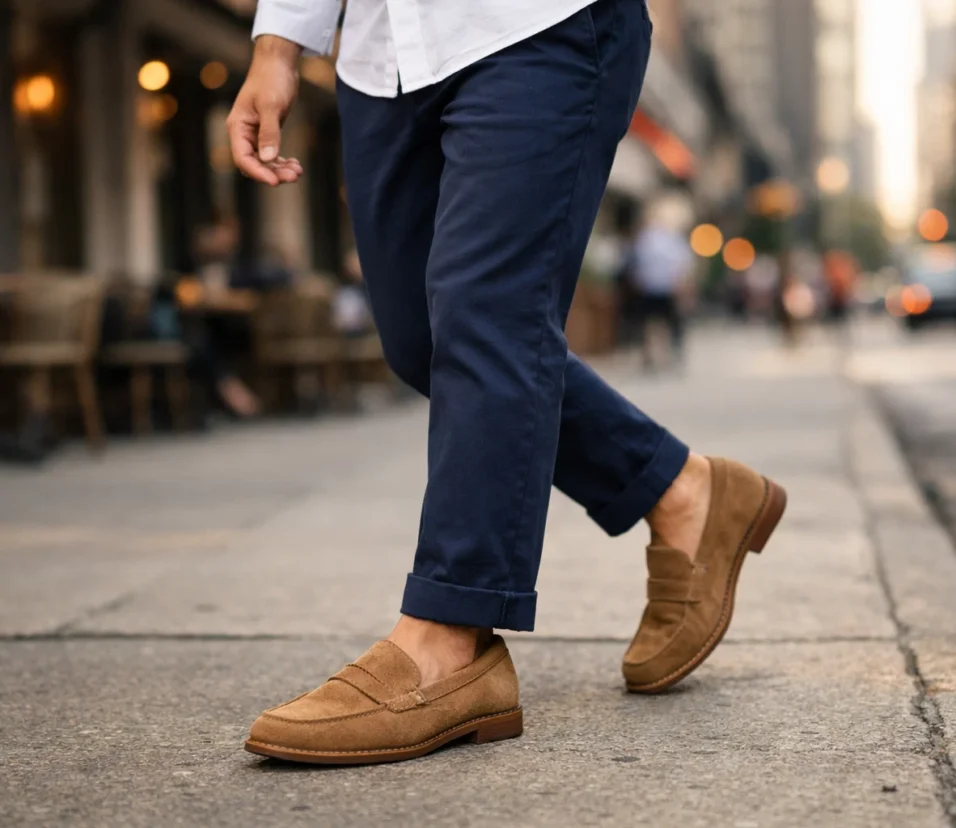
- Loafers: Penny or tassel loafers add a relaxed, stylish edge. Perfect for summer suits or breaking in a navy suit on a Friday.
- Monk Straps: The stylish wildcard. A double monk strap shoe shows you know fashion.
Watches:
With a suit, a dress watch is preferred. This means a leather strap and a slim case that slides easily under your shirt cuff. Avoid massive, chunky sports watches that catch on your sleeve.
Common Mistakes Men Make with Dress Suits
I have seen many great suits ruined by small errors. Here is how to avoid looking like an amateur.
Leaving the Bottom Button Done:
This is the cardinal sin. On a two-button jacket, only button the top one. On a three-button jacket, button the middle (and sometimes the top), but never the bottom. Suits are cut to flare out at the hips; fastening the bottom button destroys the silhouette and pulls the fabric.
Leaving the Brand Tag on the Sleeve:
That little rectangular label on the left sleeve with the brand name? Remove it immediately. It is only there for inventory purposes in the store. Leaving it on is like leaving the price tag on a hat.
Over-Accessorizing:
Tie bar + pocket square + lapel pin + collar bar + patterned shirt + patterned tie = a mess. Pick one or two focal points. If you have a bold tie, keep the square simple. If you have a lapel pin, skip the tie bar. Less is usually more.
Bulky Pockets:
Do not stuff your wallet, keys, and phone into your trouser pockets. It ruins the line of the leg. Use the interior jacket pockets for thin items, or better yet, carry a bag.
How to Care for Dress Suits to Make Them Last
A good dress suit is an investment. Treat it like one.
Dry Cleaning:
Stop dry cleaning your suit every time you wear it. The chemicals strip the natural oils from the wool, making it brittle and shiny. Only dry clean if there is a visible stain or a smell that airing out won’t fix. Ideally, dry clean 2-3 times a year max.
The Rotation:
Never wear the same suit two days in a row. Wool needs time to rest and spring back into shape after being stretched by your body movement. Rotate between at least two or three suits if you wear them daily.
Hanging:
Throw away the thin wire hangers. They ruin the shoulders. Buy wide, contoured wooden hangers that support the shoulder pads. Hang your trousers by the hem using a clamp hanger to let gravity pull out the wrinkles, or fold them gently over the bar of a thick hanger.
Steaming vs. Ironing:
Steaming is safer than ironing. It relaxes the fibers and releases wrinkles without crushing the fabric. If you must iron, use a pressing cloth (a piece of cotton) between the iron and the suit to prevent “shine” marks.
Pros and Cons of Dress Suits for Men
Before you overhaul your wardrobe, it’s worth weighing the reality of wearing suits in 2025.
Pros:
- Confidence Boost: There is a psychological effect (enclothed cognition) where wearing a suit actually makes you feel more authoritative and focused.
- Simplicity: Once you have the fit right, a suit is an instant outfit. No more worrying about matching separate pants and jackets.
- Respect: Wearing a suit signals to others that you take the interaction seriously. It opens doors.
- Timelessness: A navy suit bought today will likely still be stylish in ten years.
Cons:
- Maintenance: They require specific care (steaming, specialized cleaning) and cannot just be thrown in the wash.
- Cost: Quality costs money. While cheap suits exist, they often look cheap. Building a rotation requires an upfront investment.
- Comfort Limitations: Even the best suit is not as comfortable as a hoodie. Range of motion can be slightly restricted, and temperature regulation in extreme weather can be tricky.
Frequently Asked Questions
What is the best dress suit color for men?
Navy blue is universally considered the best first suit color. It is appropriate for the widest range of occasions, from business to social events, and pairs easily with brown or black shoes.
Can dress suits be worn casually?
Yes. To dress down a suit, skip the tie, wear a high-quality t-shirt or polo instead of a dress shirt, and swap the dress shoes for clean, white leather sneakers or loafers. This works best with cotton or textured wool suits.
How many dress suits should a man own?
If you wear a suit to work daily, you need at least 3 to 5 to allow for rotation. If you only wear suits for special occasions, owning one excellent navy or charcoal suit is sufficient.
Are tailored suits worth the money?
Absolutely. Fit is the most critical aspect of looking good. An inexpensive suit that has been tailored to your body will always look better than an expensive designer suit right off the rack. Budget $50-$100 for alterations when buying any suit.
Conclusion
Navigating the world of dress suits for men doesn’t have to be intimidating. It comes down to respecting the traditions of tailoring while adapting them to your personal life. Whether you are walking down the aisle or walking into an interview, the right suit is a tool that helps you present the best version of yourself.
Remember, the goal isn’t to look like a mannequin; it’s to look like you. Focus on the fit first, choose versatile fabrics like wool, and stick to classic colors like navy and grey before experimenting. Care for your garments, and they will take care of you for years.
In 2025, style is about intention. By choosing a suit that fits your body and the occasion, you aren’t just getting dressed—you are making a statement. So, go find that perfect fit, get it tailored, and wear it with the confidence it deserves.



Leave feedback about this