

Smart Tips for Styling Men’s Shoes for Every Occasion
Introduction – Why Styling Men’s Shoes Matters More in 2026
Shoes are the foundation of any outfit, both literally and figuratively. Long before you shake a hand or say a word, your footwear has already made a statement about your attention to detail, professionalism, and personal style. In 2026, as workplaces in the USA embrace hybrid fashion and smart-casual dress codes, knowing how to style men’s shoes is more important than ever.
The modern man understands that the right pair of shoes can elevate a simple outfit from ordinary to exceptional. It’s no longer just about function; it’s about signaling intent. Are you creative? Are you a traditionalist? Are you ready for business? Your shoes answer these questions. This guide goes beyond basic fashion rules, offering a complete strategy for choosing and styling your shoes with confidence for any occasion.
Understanding the Different Types of Men’s Shoes
Building a versatile wardrobe starts with understanding the tools at your disposal. Each shoe type has a distinct personality and level of formality.
- Oxfords: The quintessential dress shoe, characterized by its “closed-lacing” system. Oxfords are the gold standard for formal wear, business suits, and black-tie events.
- Derbies: Similar to Oxfords but with an “open-lacing” system, making them slightly less formal. Derbies are incredibly versatile, perfect for business suits, chinos, and even dark jeans.
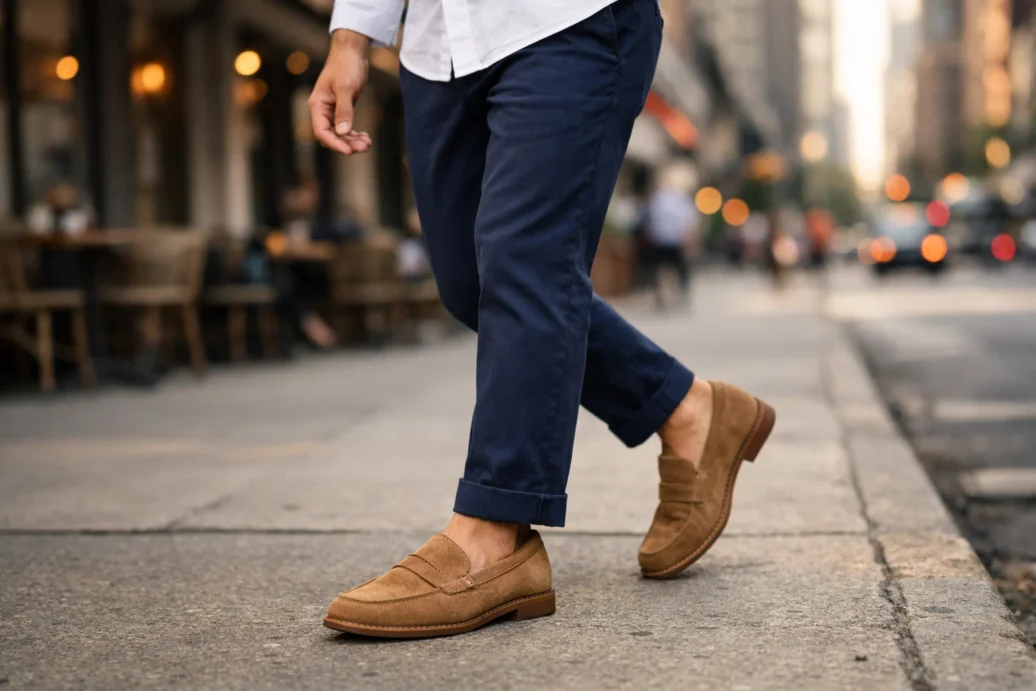
- Loafers: A slip-on style that is the king of smart-casual. Penny loafers, tassel loafers, and horsebit loafers can be dressed up with a blazer or dressed down with shorts.
- Brogues: These are not a separate shoe type but a detail—the decorative perforations on the leather. Broguing makes a shoe less formal. A full-brogue wingtip is less formal than a plain Oxford.
- Sneakers: The modern staple. We’re not talking about athletic gym shoes but minimalist leather or canvas sneakers that can be paired with anything from jeans to a casual suit.
- Chelsea Boots: Sleek, laceless, and versatile. A leather Chelsea boot works well with suits and smart trousers, while a suede version is perfect for a smart-casual weekend look.
- Dress Boots: Essentially a boot version of a Derby or Brogue. They provide the elegance of a dress shoe with the ruggedness and coverage of a boot, ideal for fall and winter.
- Monk Straps: A stylish alternative to laced shoes, featuring a buckle and strap. Single or double monk straps are a confident choice for business and smart-casual attire.
How to Match Shoes with Outfits (The Core Rulebook)
Coordinating your shoes with your clothes doesn’t have to be complicated. Following a few core principles will ensure you always look put-together.
- Match Formality Levels: The most important rule. Don’t wear formal Oxfords with ripped jeans or athletic sneakers with a fine wool suit. The formality of your shoes should match the formality of your outfit.
- Coordinate Leather: If you’re wearing a leather belt, it should generally match the color of your leather shoes. A black belt goes with black shoes; a brown belt goes with brown shoes. This rule is most critical for formal and business wear.
- Balance Proportions: Bulky shoes (like heavy-duty boots or chunky sneakers) look best with more relaxed-fit trousers or jeans. Slim, sleek shoes (like loafers or elegant Oxfords) pair better with tailored, slim-fit trousers.
- Know When to Break the Rules: In 2026, fashion rules are more like guidelines. Pairing clean, minimalist sneakers with a casual suit is now a widely accepted modern look. The key is intentionality—it should look like a deliberate style choice, not a mistake.
Choosing the Right Shoes for Different Occasions
The context of where you are going is just as important as the clothes you are wearing.
- Office/Corporate Jobs: Stick to the classics. Black or dark brown Oxfords or Derbies are your safest and most professional bet.
- Business Casual Environments: This is where you have more freedom. Loafers, brogues, monk straps, and Chelsea boots are all excellent choices.
- Weddings and Formal Events: For a formal wedding, black Oxfords are the standard. For a less formal or daytime wedding, dark brown or burgundy dress shoes are also appropriate.
- Date Nights: This depends on the venue. A pair of smart loafers or clean leather sneakers strikes a great balance between stylish and relaxed.
- Travel and Airport Style: Comfort is key, but you don’t have to sacrifice style. A slip-on loafer or a stylish, comfortable sneaker is perfect.
- Weekend Casual Looks: This is your chance to be expressive. Canvas sneakers, boat shoes, or casual boots all work well.
Color Coordination Guide for Men’s Shoes
Knowing how to pair shoe colors with your trousers is a style superpower.
- Black Shoes: The most formal option. They pair perfectly with black, charcoal, and grey suits. Avoid wearing black shoes with brown or light khaki trousers, as the contrast can be jarring.
- Brown Shoes: Incredibly versatile. Dark brown shoes work with everything from navy and grey suits to jeans and chinos. Tan and lighter brown shades are more casual and are perfect for summer.
- Burgundy/Oxblood Shoes: This rich color is a fantastic and underrated alternative to brown. It pairs beautifully with navy, charcoal, and grey suits and adds a touch of personality.
- White Sneakers: The ultimate blank canvas. Pair them with jeans, chinos of any color, and even casual suits. Just make sure they are clean.
Seasonal Styling – Summer vs Winter Shoe Strategy
Your footwear should adapt to the weather just like the rest of your wardrobe.
- Summer: This is the season for lighter footwear. Think suede loafers (worn with no-show socks), canvas sneakers, and boat shoes. Lighter colors like tan, beige, and white are also more appropriate.
- Fall: As the weather cools, transition to boots and textured leather. Chelsea boots, chukka boots, and leather brogues in shades of brown, burgundy, and dark tan are perfect.
- Winter: Opt for footwear with heavier, more durable soles. Dress boots and sturdy leather Derbies are great choices. Darker tones like black and dark brown are more common.
Socks, Trousers & Proportions – The Overlooked Details
The space between your shoes and your trousers is where style masters separate themselves from beginners.
- The Sock Strategy: For formal wear, your socks should match the color of your trousers, not your shoes. This creates a seamless visual line that elongates your legs. For casual wear, you have more freedom to use socks to add a pop of color or pattern. With loafers or summer sneakers, no-show socks are essential for a clean look.
- The Trouser Break: This refers to how much your trouser hem rests on your shoe. A “full break” is more traditional, while a “slight break” or “no break” (where the trousers just kiss the top of the shoe) creates a sharper, more modern silhouette.
- Ankle Awareness: Avoid the bulky “stacking” of fabric at your ankle. If your trousers are too long, get them hemmed. Cuffing your jeans or chinos is a stylish way to control the length and show off your footwear.
Common Mistakes Men Make When Styling Shoes
Here are a few common errors to avoid:
- Wearing Athletic Sneakers with Everything: Your running shoes are for the gym. For casual outfits, invest in a pair of minimalist “lifestyle” sneakers.
- Ignoring Shoe Condition: Scuffed, dirty, or worn-out shoes will ruin even the best outfit. Regularly clean and polish your leather shoes.
- Wrong Shoe for Body Type: If you are a larger man, very slim, pointy shoes can look disproportionate. Conversely, if you are slim, overly bulky shoes can overwhelm your frame.
- Wearing Outdated Silhouettes: Square-toed dress shoes were a trend in the early 2000s that has not aged well. Stick to classic, rounded, or almond-shaped toes.
Pros and Cons of Investing in High-Quality Shoes
Is it worth spending more on a pair of shoes?
Pros:
- Durability: High-quality, Goodyear-welted shoes can be resoled and can last for decades, while cheaper, glued shoes are disposable.
- Better Posture and Comfort: Well-made shoes offer better support, which is better for your feet and back.
- Elevated Appearance: The quality of the leather and construction is immediately noticeable and elevates your entire look.
Cons:
- Higher Upfront Cost: A good pair of leather shoes is an investment.
- Maintenance Required: They require regular cleaning and conditioning to stay in good shape.
Consider the “cost-per-wear.” A $400 pair of shoes worn 400 times costs $1 per wear. A $80 pair worn 40 times costs $2 per wear.
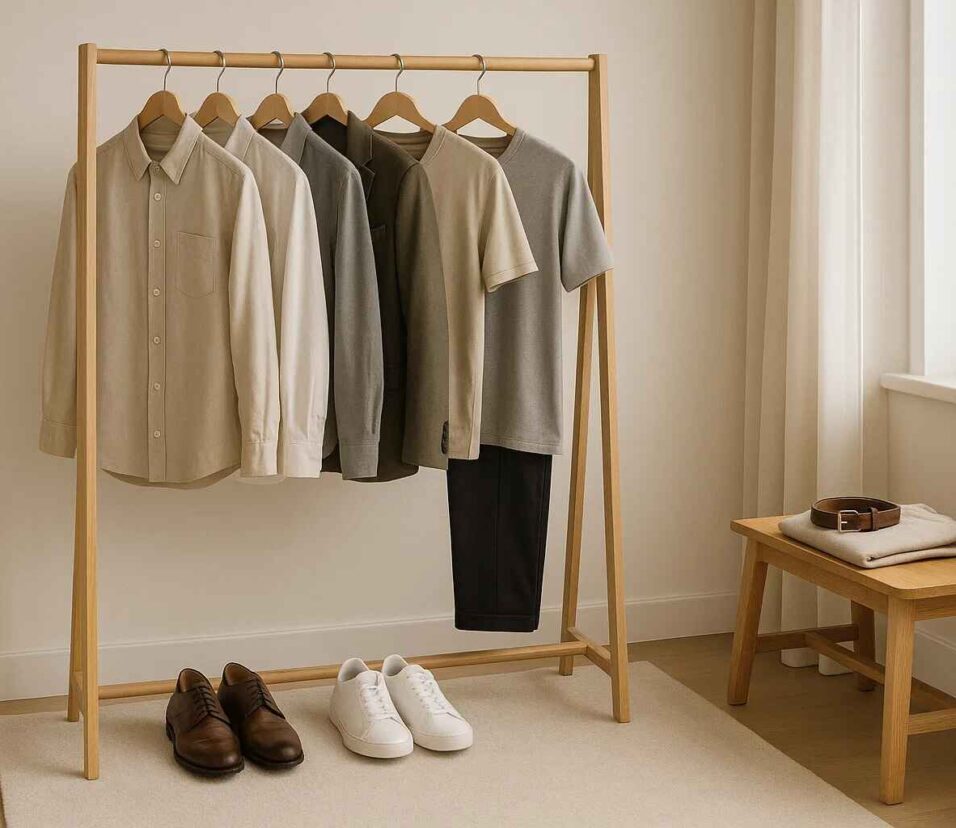
Building a Minimal Yet Versatile Shoe Wardrobe (Capsule Strategy)
You don’t need dozens of pairs of shoes. A well-curated collection of six can cover almost any situation.
- The Black Oxford: For formal events and serious business.
- The Brown Derby: Your workhorse for business casual and smart weekend looks.
- The White Minimalist Sneaker: For all your casual needs.
- The Suede Loafer: For smart-casual summer and spring outfits.
- The Chelsea Boot: A sleek option for fall and winter that can be dressed up or down.
- The Casual Sneaker: A more expressive sneaker (like a classic runner style) for your personal style.
Real-Life Style Scenarios – What to Wear & Why
Let’s apply these rules to real life.
- First Corporate Job Interview: You want to project professionalism and respect. A dark suit with black Oxford shoes is the safest and most powerful choice.
- Outdoor Summer Wedding: The dress code is likely less formal. A light-colored suit (like light grey or beige linen) pairs perfectly with brown or tan loafers.
- Casual Coffee Date: You want to look stylish but effortless. Dark-wash jeans, a quality t-shirt or sweater, and a pair of clean white leather sneakers are perfect.
- Weekend Road Trip: Comfort is paramount. A pair of stylish, supportive casual sneakers or comfortable slip-on shoes is ideal.
Conclusion – Mastering the Art of Styling Men’s Shoes in 2026
Mastering the art of styling men’s shoes is one of the most impactful investments you can make in your personal style. By understanding the core principles of formality, proportion, and color, you can move beyond simply wearing shoes to strategically using them to enhance your entire look. Remember to match the shoe to the occasion, invest in quality over quantity, and never underestimate the power of the small details like socks and trouser length. Ultimately, the right pair of shoes doesn’t just complete an outfit—it gives you the confidence to walk taller in any room you enter.
FAQ – Tips for Styling Men’s Shoes
How do I match shoe color with my suit?
For a navy suit, wear black, dark brown, or burgundy shoes. For a charcoal suit, stick to black or deep burgundy. For a light grey suit, you can wear black, brown, or tan. The most important rule is to match your belt to your shoes.
Can I wear sneakers with a blazer?
Yes, this is a staple of modern smart-casual style. The key is to choose the right sneakers—clean, minimalist leather sneakers in white, black, or grey. Avoid bulky, athletic gym shoes. Pair them with well-fitting chinos or dark jeans for a sharp, contemporary look.
What shoes should every man own?
A versatile starter collection should include at least three pairs: a black or dark brown dress shoe (like an Oxford or Derby) for formal occasions, a clean white leather sneaker for casual wear, and a smart-casual option like a loafer or a Chelsea boot.
Are brown shoes appropriate for formal events?
For the most formal events like black-tie, black shoes are non-negotiable. For most other formal events like weddings or business dinners, dark brown shoes are perfectly acceptable and can be even more stylish than black, especially when paired with a navy or grey suit.
How many pairs of shoes does a man need?
The number varies based on lifestyle, but a well-rounded wardrobe can be built with 5-7 pairs: a formal dress shoe, a versatile business-casual shoe, a weekend boot, a minimalist sneaker, an athletic shoe for the gym, and perhaps a summer-specific shoe like a loafer or boat shoe.
Do shoes need to match the belt exactly?
For formal and business attire, yes, you should aim for a close match (black with black, dark brown with dark brown). For casual wear, the rule is more relaxed. While you still wouldn’t wear a black leather belt with light brown suede shoes, the exact shade doesn’t have to be perfect.
What are the best shoes for different occasions in the USA?
For corporate America, Oxfords and Derbies are best. For creative or tech offices, loafers and clean sneakers are common. For formal events, patent leather Oxfords are standard. For casual weekends, sneakers and boots dominate. The “best” shoe always depends on the specific event, location, and dress code.




Leave feedback about this