

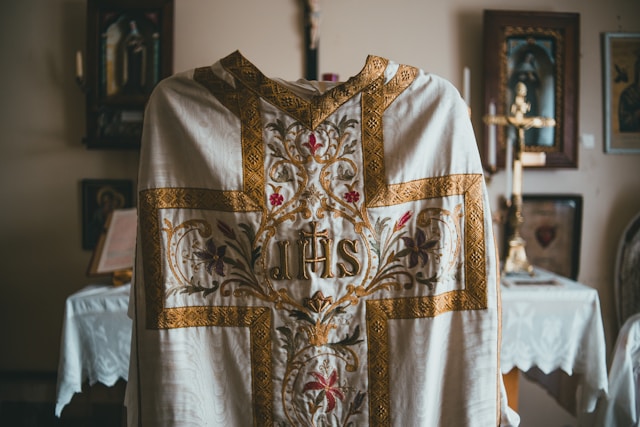
Traditional Italian Clothing Explained: Regional Styles, Weddings, and Modern Influence
Italy’s Heartbeat: A Journey Through Timeless Traditions
Come with us on a journey into Italy’s heart, where the cobblestone streets echo with music and the air is filled with warmth. This is a country where every tradition be it fashion, faith, or family is deeply woven into the fabric of history and emotion. Here, life is lived with passion.
From the vibrant hues of folk costumes to the sacred vows of a wedding, every custom tells a story. Italian clothing and marriage rituals are not just practices; they are vibrant expressions of the nation’s unparalleled artistic and religious heritage. They capture the soul of a community and its values.
This exploration will reveal how deeply Italy’s traditions connect its ancient past with its dynamic modern life. By the end, you will see how every embroidered blouse, shared meal, and festive celebration is a thread in this beautiful, enduring cultural tapestry.
What Italian People Are Like
Italians are known for their expressiveness, warmth, and incredible hospitality. They welcome others with open arms and hearts, making visitors feel like part of the family. This genuine warmth is a cornerstone of their culture, shaping every social interaction from a simple greeting to a grand celebration.
Family and food are the twin pillars of daily life. The Sunday dinner, or “pranzo della domenica,” is a sacred ritual where multiple generations gather for hours of feasting and conversation. It is a time for connection, storytelling, and reinforcing familial bonds that are central to Italian identity.
You will notice cultural differences between the North and South. Northerners may seem more reserved and business-like, while Southerners are often more emotionally expressive and laid-back. This regional diversity adds another layer of richness to the national character, a spectrum of personalities united by a shared heritage.
Their communication style is famously animated. Italians use a symphony of hand gestures, expressive facial expressions, and a passionate tone to convey their feelings. Conversations are lively, loud, and engaging, turning even simple discussions into a form of performance art that is captivating to witness.
This vibrant personality directly shapes their traditions. The bold colors found in traditional Italian clothing reflect a love for life, while the joyous, large-scale wedding festivities showcase their belief in celebrating momentous occasions with unrestrained happiness and communal spirit. It’s a culture where emotion is never hidden.
Italian Greetings and Social Customs
Greetings in Italy are warm and integral to daily interaction. “Ciao” is a famously versatile and informal greeting for both hello and goodbye. “Buongiorno” is used for ‘good morning’ or ‘good day,’ while “Buonasera” is appropriate for the evening. Using the right one shows respect.
A common custom among friends and family is kissing on both cheeks, starting with the left. Respect for elders, or “anziani,” is paramount; they are greeted first and shown deference. When visiting someone’s home, it is customary to bring a small gift, like pastries, wine, or flowers.
Greetings can also vary by region and formality. In more formal settings or when addressing strangers, especially older individuals, using “Buongiorno” or “Buonasera” is preferred over the casual “Ciao.” Politeness and making a good impression, or “fare una bella figura,” are highly valued.
Ultimately, courtesy and warmth are at the core of Italian social customs. These rituals are more than just formalities; they are expressions of connection and community. They reinforce social bonds and reflect the nation’s hospitable spirit, making everyday encounters feel meaningful and personal.
Traditional Italian Clothing
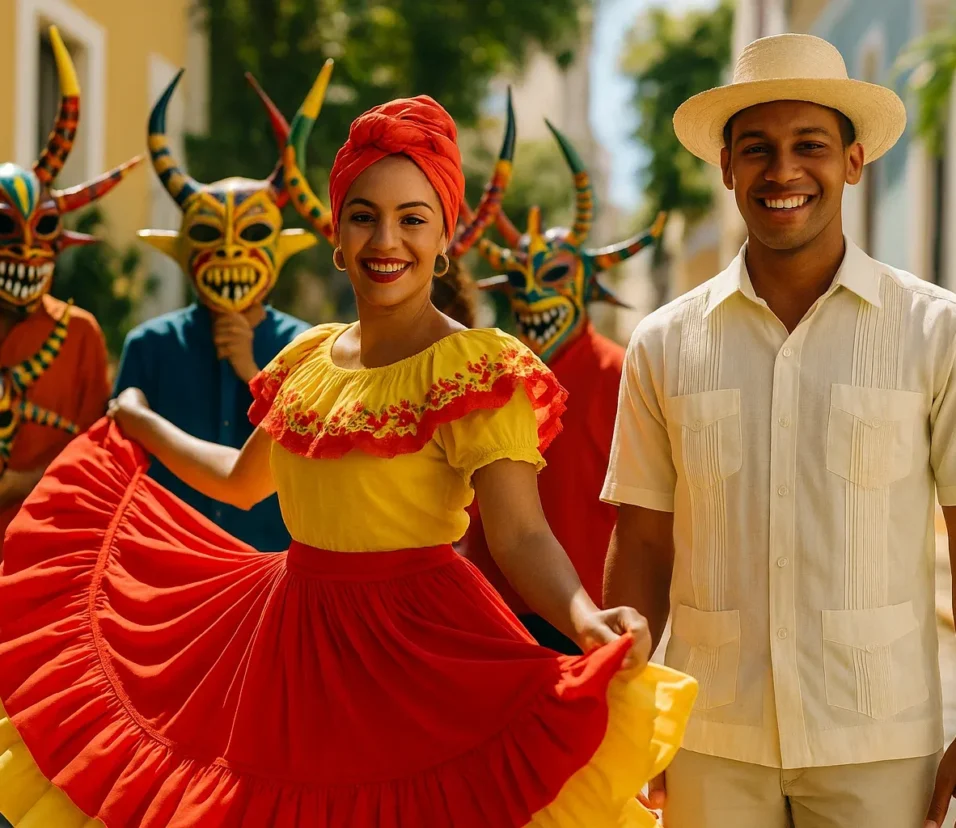
Traditional Italian clothing is a vibrant reflection of the country’s diverse regional identities. Far from a single national costume, it is a rich collection of styles that tell stories of local history, social status, and daily life through fabric, color, and intricate design.
Women’s Traditional Dress

The cornerstone of a woman’s folk attire often includes the “gonna,” a pleated skirt, paired with a white “camicia,” or blouse, frequently detailed with delicate embroidery. Over this, a “corsage” (bodice) is worn, along with an apron and a “fazzoletto,” a headscarf or shawl.
Festive versions of these outfits feature bright, symbolic colors and elaborate lace, especially on the blouse and apron. Regional differences are significant; women in the colder North wore layered wool styles, while those in the South favored long, flowing skirts made of lighter materials.
Men’s Traditional Attire
Men’s traditional attire is typically simple yet elegant. It usually consists of knee-length trousers made from dark wool or linen, a white shirt, a short jacket or vest, and the “berrite,” a distinctive soft cap, often made of wool or velvet, which varies in shape by region.
Symbolism was conveyed through colors and embroidery, which could indicate a man’s village, marital status, or profession. Materials also reflected the local environment, with wool being common in the mountainous north and lighter linen preferred in the warmer, agricultural south.
Regional Clothing Examples
Each region offers a unique take on traditional dress.
- Sardinia: Known for its stunning, colorful dresses with intricate embroidery and heavy gold filigree jewelry.
- Sicily: Features practical linen skirts for rural life, often paired with bright shawls and headscarves.
- Venice: Famous for luxurious Carnival costumes, ornate masks, and flowing silks from its trading past.
- South Tyrol: Shows Alpine influence with its Dirndl-style dresses for women and Lederhosen for men.
This rich heritage continues to inspire modern fashion. High-end designers like Dolce & Gabbana and Gucci often draw from the silhouettes, fabrics, and artisanal techniques of traditional Italian clothing, reinterpreting them for the global runway.
Italian Religion and Beliefs
Italy’s cultural landscape is profoundly shaped by its predominant faith, Roman Catholicism. With the Vatican City, the heart of the Catholic Church, situated in Rome, religion is intertwined with art, history, and daily life. This spiritual heritage is visible everywhere you look.
The country is home to over 45,000 churches, each serving as a testament to centuries of faith. These are not just places of worship but also magnificent repositories of art and architecture. They house masterpieces by artists like Michelangelo and Bernini, embodying a deep spiritual and artistic significance.
Among the most important are St. Peter’s Basilica in Rome, the Florence Cathedral with its iconic dome, and St. Mark’s Basilica in Venice, glittering with Byzantine mosaics. Visiting these sites offers a glimpse into the immense cultural and historical power of the church.
The impact of Catholicism extends far beyond church walls. It shapes national holidays, local festivals celebrating patron saints, and family traditions passed down through generations. Faith provides a rhythm to life, marking time with sacraments from baptism to marriage.
While Catholicism is dominant, Italy is also home to long-standing minority religious communities, including Orthodox Christians and Jewish people. These groups have maintained their own unique customs and traditions, adding to the rich and complex tapestry of Italian spiritual life.
Italian Wedding Traditions
Italian weddings are joyous affairs steeped in tradition, blending faith, family, and a touch of superstition. The celebration begins long before the wedding day, with formal engagements often marked by large family gatherings where the two families meet and celebrate the couple’s commitment.
Pre-Wedding Rituals
Superstition plays a fun role in pre-wedding activities. Many brides wear something green the night before the wedding to symbolize prosperity and good fortune. It is also considered bad luck for the bride to wear any gold jewelry before the wedding ring is placed on her finger.
Wedding Day Customs
Most weddings are traditional Catholic ceremonies held in a church. Brides typically wear a classic white dress, while grooms opt for a sharp tuxedo. To ward off evil spirits, the groom might carry a small piece of iron in his pocket. Upon exiting the church, guests shower the newlyweds with rice or flower petals to wish them fertility and prosperity.
Post-Wedding Traditions
At the reception, guests receive “bomboniere,” small gifts containing five or seven sugared almonds. The odd number is considered lucky, with the almonds symbolizing health, wealth, happiness, fertility, and long life. In some southern regions, the couple breaks a vase; the number of shattered pieces is said to represent the number of happy years of marriage ahead. The celebration is a grand feast filled with dancing, music, and abundant regional dishes.
Italian Fashion Legacy: From Tradition to Modern Runway
There is a direct and powerful line connecting Italy’s history of costume-making to its modern status as a global fashion leader. The artisanal skills honed over centuries in creating traditional Italian clothing laid the groundwork for today’s luxury fashion houses. Craftsmanship is in the nation’s DNA.
Techniques like intricate embroidery, delicate lacework, and expert tailoring have been passed down through generations. These very skills now influence the world-renowned collections of designers like Gucci, Prada, and Versace, who blend heritage with contemporary vision.
Milan and Florence stand as Italy’s primary fashion capitals, hosting influential fashion weeks that set global trends. These cities are hubs where history and modernity collide, showcasing the evolution of Italian style from regional folk attire to high-fashion couture.
Today, the “Made in Italy” label is a symbol of quality, luxury, and ethical production. As sustainability becomes more important, many brands are emphasizing their connection to local artisans and traditional methods, making Italian craftsmanship a source of modern cultural pride.
Festivals and Cultural Celebrations in Italy
Italy’s calendar is packed with festivals that showcase its regional pride and cultural richness. Major events like the Venice Carnival, with its elaborate masks and costumes, and the historic Palio horse race in Siena, are spectacles of tradition and community spirit.
These celebrations are a feast for the senses, where clothing, music, and rituals combine to express a powerful sense of regional identity. Easter processions are solemn and deeply spiritual, while Ferragosto on August 15th marks a nationwide summer holiday filled with feasts and fireworks.
The role of religion and art is central to many of these events. Festivals often honor a patron saint, blending devout processions with lively secular festivities. The elaborate banners, floats, and traditional attire on display transform towns and cities into living works of art.
The Role of Family and Community
Family is the absolute cornerstone of Italian life, providing a foundation of support, identity, and love. It is common to find multi-generational households where grandparents play an active role in raising children, passing down wisdom, traditions, and, of course, family recipes.
The weekly Sunday gathering for a large meal is a cherished tradition that reinforces these bonds. It is a time for everyone to connect, share stories, and enjoy good food together. This ritual underscores the deep importance placed on maintaining strong family ties.
This sense of connection extends to the broader community. Italians are known for their hospitality and collective dining culture, where neighbors share food and celebrate together. Community life is vibrant, with local festivals and events bringing everyone together to reinforce their shared identity.
Interesting Facts About Italian Traditions
- It is considered bad luck for the groom to get a glimpse of the bride in her dress before the wedding ceremony.
- Weddings held on a Sunday are believed to bring the best fortune, symbolizing fertility and prosperity for the couple.
- The greeting “Ciao” is used widely but is considered informal. In formal situations, it is better to use “Buongiorno” or “Buonasera.”
- Fashion and faith are often intertwined. Many religious processions and festivals feature specific traditional clothing.
- Food is a powerful symbol of unity and celebration at all major life events, from weddings to baptisms and holiday feasts.
Conclusion
Italy’s traditions are not relics of the past; they are the living, breathing soul of the nation, weaving together art, religion, and emotion into the fabric of everyday life. From the expressive warmth of its people to the sacred rituals of family gatherings, Italian culture is a testament to the power of connection and history. The enduring influence of traditional Italian clothing, steadfast faith, and joyous wedding customs continues to shape the country’s identity, creating a unique bridge between its ancient heritage and its vibrant present.
These customs reveal a culture that values beauty, passion, and community above all else. The meticulous craftsmanship in a lace blouse, the shared joy of a village festival, and the sacredness of a family meal all tell the same story: a story of a people deeply connected to their roots. This profound respect for tradition is what makes Italy so endlessly captivating.
We invite you to experience Italy beyond the postcards. Engage with its people, explore its rich cultural tapestry, and discover the stories embedded in its customs. What Italian tradition fascinates you the most? Share your thoughts in the comments, subscribe to our newsletter for more cultural insights, and explore our related guides.
FAQs About Italian Traditions
What is the main religion in Italy?
Catholicism is the dominant religion and has deeply influenced the nation’s culture, art, and traditions. However, Italy also has long-standing Orthodox Christian and Jewish communities, among other minority faiths, that continue to practice their own distinct customs.
What are traditional Italian wedding gifts?
Guests at an Italian wedding traditionally receive “bomboniere.” These are small, elegant souvenirs containing an odd number of sugared almonds, usually five or seven, which symbolize wishes for health, wealth, happiness, fertility, and a long life for the couple.
What materials were used in traditional Italian clothing?
Common materials included wool, linen, silk, and velvet, with the choice depending heavily on social class and region. Wool was prevalent in the colder, mountainous north for warmth, while lighter linen was favored in the agricultural south. Silk and velvet were reserved for the wealthy.
Are traditional costumes still worn in Italy?
Yes, traditional costumes are worn with great pride during regional festivals, folk dance performances, historical reenactments, and religious celebrations. Events like Venice’s Carnival and Sardinia’s folk festivals are famous for their spectacular displays of historic attire.


Leave feedback about this