

Traditional USA Clothing Explained: Iconic Pieces, Regional Styles & Modern Trends
What “Traditional USA Clothing” Means
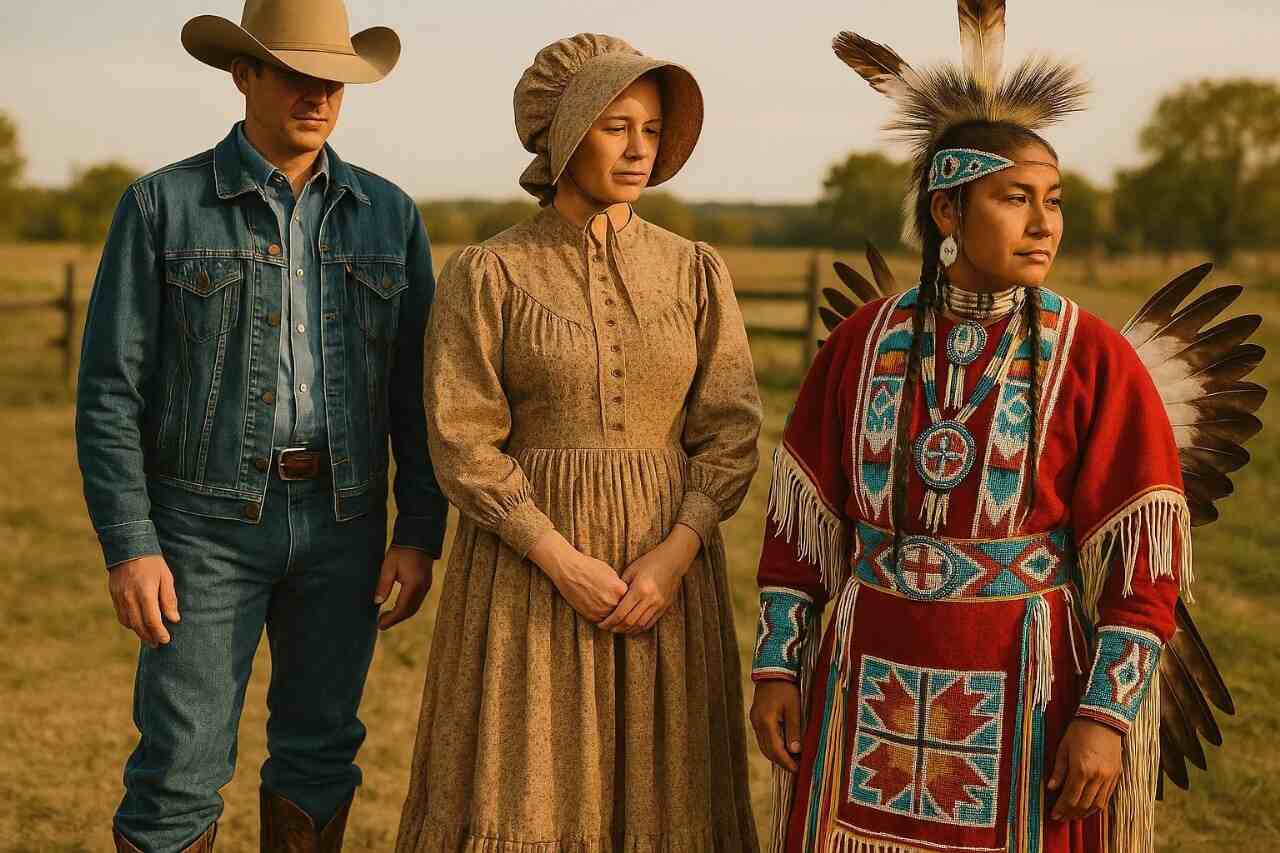
Traditional USA clothing refers to garments historically worn in the United States that reflect cultural, regional, and ethnic heritage. Unlike countries with a single national costume, the United States’ “traditional” attire is diverse, reflecting Indigenous, colonial, frontier, and immigrant influences. Iconic pieces such as blue jeans, flannel shirts, cowboy boots, and prairie dresses have roots in specific eras or regions but are widely recognized today as symbols of American heritage.
This clothing not only tells a story of American history but also influences modern fashion trends worldwide. Traditional US clothing spans eras—from Indigenous regalia with deep cultural significance to Western wear emblematic of pioneer and cowboy culture. Today, these styles are often reinterpreted in contemporary fashion while preserving historical meaning.
Indigenous American Heritage Attire
Indigenous clothing forms the foundation of American traditional dress. Each tribe developed garments suited to their environment and cultural practices. Common materials included animal hides, woven fibers, and natural dyes. Anthropologist Ryan Pownall says that clothing often carried symbolic meaning, such as patterns representing spiritual beliefs, status, or tribal affiliation.
Materials, Symbolism & Modern Revival
- Materials: Buckskin, wool, feathers, and beadwork were frequently used.
- Symbolism: Geometric patterns and colors indicated tribal identity, achievements, and spiritual connections.
- Modern Revival: Contemporary designers incorporate Indigenous motifs in sustainable fashion collections, highlighting heritage while respecting cultural significance.
Indigenous attire remains an essential part of ceremonial events, powwows, and cultural exhibitions, keeping these traditions alive for future generations.
Colonial & Early American Dress (17th–18th Century)
Colonial America inherited European fashion styles but adapted them to the New World’s practical needs. Both men and women’s clothing reflected social class, profession, and environment.
Typical Garments & Social Context
- Men: Breeches, waistcoats, shirts, and tricorn hats were common. Fabrics were often wool or linen.
- Women: Gowns with bodices, petticoats, aprons, and caps reflected modesty and practicality.
- Social Context: Clothing signaled wealth, trade connections, and regional identity. Daily wear was practical for farming or domestic work, while formal attire was worn for church and social events.
Colonial clothing laid the groundwork for regional variations and influenced later frontier and Western styles.
Frontier, Pioneer & Prairie Styles
As settlers moved westward, clothing adapted to rugged landscapes. Functionality and durability became key considerations. Women’s prairie dresses and men’s frontier wear combined practicality with regional stylistic touches.
Women’s Prairie Dress & Men’s Frontier Wear
- Women: Long-sleeved dresses, aprons, bonnets, and shawls for protection and modesty.
- Men: Durable shirts, trousers, vests, wide-brimmed hats, and boots suitable for farming and travel.
- Significance: These garments symbolized independence, resilience, and pioneer spirit.
Frontier clothing evolved into the recognizable “Western wear” popularized in the 19th century and today.
Western Wear: Cowboy Hats, Jeans & Boots
Western wear, rooted in cowboy culture, became a defining element of American traditional clothing. Practicality and style merged, creating iconic garments that still resonate globally.
Evolution & Cultural Meaning
- Cowboy Hats: Protection from sun and rain, now a symbol of Western heritage.
- Jeans: Durable denim trousers originally designed for miners and laborers.
- Boots: Leather boots with pointed toes and heels for horseback riding.
Western wear embodies the rugged, adventurous American spirit and remains central to festivals, rodeos, and Americana fashion.
Regional Variations Across the USA
The United States’ vast geography has produced distinct clothing traditions.
New England
Colonial Puritan influence: modest dresses, cloaks, and simple hats.
Midwest
Practical farm and prairie clothing; heavy use of denim and flannel.
South
Influence of plantations: cotton fabrics, light breathable materials, and decorative trims.
West
Cowboy and frontier styles dominate; functional leather and denim dominate fashion.
Key Pieces of Traditional USA Clothing for Today
- Blue jeans
- Flannel shirts
- Denim jackets
- Cowboy boots and hats
- Prairie dresses and aprons
- Western-style shirts with yokes and embroidery
These pieces remain versatile, blending historical authenticity with contemporary styling.
How Traditional USA Clothing Influences Modern Fashion
Traditional garments inspire modern designers and brands. “Americana style” incorporates vintage denim, Western motifs, and heritage textures. Heritage brands like Levi’s, Pendleton, and Wrangler preserve classic designs while updating them for 2025 trends. Modern fashion often mixes traditional pieces with contemporary streetwear or sustainable fabrics.
How to Incorporate Traditional USA Clothing into Your Wardrobe
Tips for Men
- Pair a Western shirt with jeans for casual wear.
- Add cowboy boots to a minimalist outfit for heritage flair.
Tips for Women
- Prairie dresses can be layered with modern jackets or boots.
- Denim jackets over traditional blouses create a casual Americana look.
Tips for UK/International Audience
- Use traditional US garments as statement pieces in everyday wardrobes.
- Mix with local fabrics to create fusion styles that respect heritage.
Pros and Cons of Wearing Traditional USA Clothing
Pros:
- Celebrates cultural heritage
- Distinctive style and storytelling
- Durable, high-quality garments
- Iconic, recognizable look
Cons:
- Risk of cultural appropriation if misused
- Cost of authentic pieces
- Regional specificity may limit versatility
- May feel costume-like if not styled thoughtfully
FAQs
What is considered traditional clothing in the United States?
Traditional US clothing includes garments with cultural, regional, or historical significance such as cowboy boots, prairie dresses, and Indigenous attire.
Are cowboy boots and jeans part of American traditional dress?
Yes, they are iconic Western wear pieces rooted in 19th-century frontier culture.
When do Americans wear traditional USA clothing today?
Commonly during cultural events, festivals, heritage celebrations, and sometimes as fashion statements.
How can someone outside the USA incorporate traditional US clothing into their wardrobe?
Select iconic pieces like denim jackets, flannel shirts, or Western-inspired accessories and blend them with local styles for everyday wear.
Conclusion
Traditional USA clothing represents a rich tapestry of history, culture, and regional identity. From Indigenous regalia to colonial garments, frontier clothing, and Western wear, each piece tells a story of the nation’s past. Today, these garments influence modern fashion, inspire heritage brands, and allow individuals worldwide to celebrate Americana style responsibly. Incorporating traditional US clothing into your wardrobe can be both a fashion statement and a way to honor historical and cultural roots, blending heritage with contemporary trends.
Discover the Beauty of Traditional Peruvian Clothing in 2025





Leave feedback about this