

USA Traditions in 2025: What Defines American Holidays, Habits & Values
Introduction
When we talk about USA traditions, we’re referring to a rich mix of holidays, everyday habits, and regional customs that shape American culture. From the dazzling fireworks of Independence Day to quirky habits like tailgating at sports events, these traditions are woven into the daily life and identity of Americans.
The United States is often described as a “melting pot,” and this diversity influences every tradition. Whether it’s Thanksgiving dinners inspired by immigrant communities or modern celebrations evolving with Gen Z trends, American traditions reflect both history and contemporary lifestyle. Understanding these traditions provides insight not just into cultural rituals but also into the values, habits, and social norms of the U.S.
In this lifestyle guide, we’ll explore the major holidays, everyday habits, regional customs, values behind the traditions, and how modern life in 2025 has influenced these practices. We’ll also give tips for experiencing these traditions, whether you’re in the U.S. or abroad.
Major National Holidays and Their Traditions
Independence Day (4th of July)
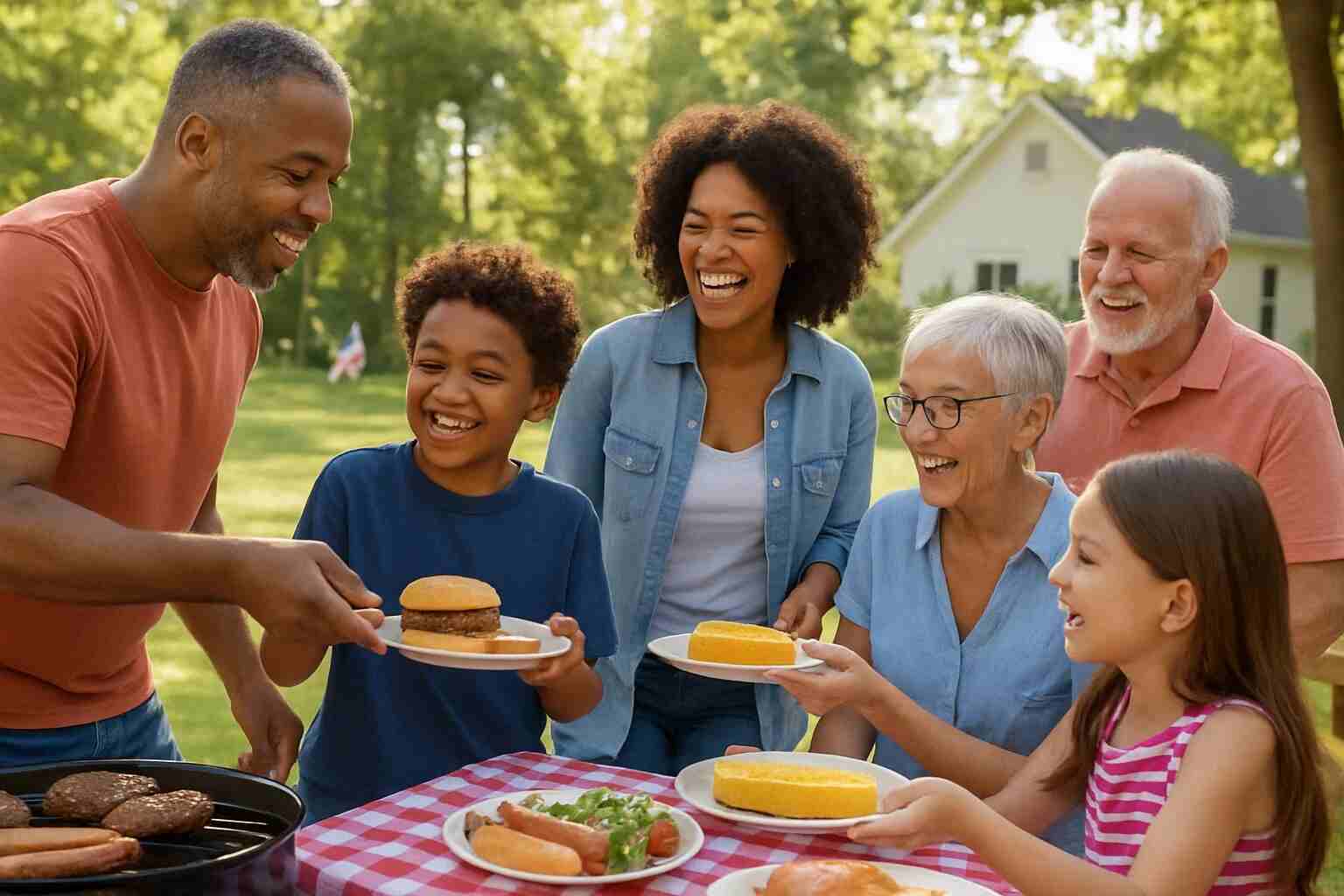
Independence Day is arguably the most iconic U.S. holiday. Celebrated on July 4th, it commemorates the adoption of the Declaration of Independence in 1776. Americans celebrate with fireworks, parades, barbecues, and family gatherings.
In 2025, many communities are adding eco-friendly fireworks shows or drone light displays as alternatives to reduce environmental impact. Lifestyle-wise, the holiday remains a time for casual outdoor gatherings, patriotic decorations, and themed food like burgers, hotdogs, and apple pie. Tailgating in local parks or near parade routes is also popular, blending community spirit with festive fun.
Thanksgiving
Thanksgiving, celebrated on the fourth Thursday of November, is a cornerstone of American cultural traditions. Families and friends come together for a feast featuring turkey, stuffing, cranberry sauce, and pumpkin pie.
Modern adaptations include Friendsgiving—celebrating with friends instead of family—and plant-based or healthier alternatives to traditional recipes. Football games and parades, like the Macy’s Thanksgiving Day Parade in New York City, remain integral to the holiday experience. Lifestyle-wise, Thanksgiving emphasizes gratitude, community, and togetherness, often influencing social media trends with recipe sharing and DIY décor.
Christmas & New Year
Christmas and New Year’s celebrations in the U.S. blend tradition, family, and consumer culture. Christmas rituals include decorating trees, gift exchanges, attending church services, and festive meals. Modern trends in 2025 include minimalistic décor, eco-conscious gift giving, and personalized experiences rather than purely material focus.
New Year’s Eve is celebrated with parties, fireworks, and resolutions. Lifestyle adaptations include small gatherings for those working remotely or digital celebrations connecting friends and family across states. Both holidays are rich with social and cultural symbolism, reflecting both religious and secular traditions.
Everyday Cultural Habits That Feel Like Traditions
Not all USA traditions are tied to holidays—many are embedded in everyday life.
- Portion sizes & super-sized culture: Americans often consume larger meals, a habit reflected in restaurants and grocery culture.
- Ice in drinks & free refills: Unlike many countries, American restaurants commonly serve ice in drinks and offer unlimited refills, a quirky everyday tradition.
- Tailgating & sports rituals: Before football games or concerts, people gather in parking lots for food, games, and socializing.
- Driving culture & “big box” retail stores: The car-centered lifestyle and large retail experiences are part of everyday American habits.
These everyday traditions shape social interactions and lifestyle decisions, reinforcing cultural identity in subtle but consistent ways.
Regional and Cultural-Community Traditions
U.S. traditions vary widely by region and community.
- Southern BBQ & Rodeos: In the South, outdoor cookouts and rodeos celebrate local culture and cuisine.
- Mardi Gras (New Orleans): Colorful parades, masks, music, and festive street culture define this regional tradition.
- Native American ceremonies: Indigenous communities maintain sacred ceremonies and seasonal rituals that influence local culture.
- Latin American communities: Festivals like Cinco de Mayo and Día de los Muertos showcase multicultural influence.
Lifestyle differences between states are stark; a family in Texas may celebrate with large barbecues, while a family in Vermont may emphasize local harvest festivals. Understanding these regional customs enriches the experience of American traditions.
Values Behind the Traditions: Individualism, Freedom & Change
American traditions are deeply tied to values like individualism, freedom, and optimism.
- Freedom & independence: Independence Day and similar holidays celebrate liberty as a core cultural pillar.
- Materialism & consumer culture: Holiday spending, super-sized meals, and elaborate decorations are part of lifestyle traditions.
- Generational shifts: Younger Americans are modifying traditions to fit ethical, environmental, and digital lifestyles.
Traditions are not static—they evolve alongside social attitudes, technology, and cultural priorities.
How Modern Lifestyles (2025) Influence USA Traditions
Modern life has reshaped traditional practices:
- Social media influence: Holidays are now “Instagrammable,” with decorations and celebrations curated for digital sharing.
- Trends like Friendsgiving: Reflect changing family structures and social networks.
- Eco-conscious celebrations: Sustainable décor, plant-based meals, and digital alternatives to physical events.
- Remote work & urbanization: Lifestyle patterns influence when and how traditions are celebrated.
These adaptations ensure traditions remain relevant and accessible in a rapidly changing society.
Traditions Abroad and for Americans Overseas
American traditions travel with citizens and influence global culture.
- U.S. expats may celebrate Thanksgiving abroad with local twists, such as substituting unavailable ingredients.
- International audiences often adopt elements of American culture—like Halloween parties, Black Friday shopping, or tailgating-inspired social events.
- Lifestyle tips include respecting local customs while enjoying American traditions in authentic and culturally sensitive ways.
Pros and Cons of USA Traditions
Pros:
- Foster social cohesion and community
- Encourage celebration and fun
- Tourism appeal and cultural education
- Reflect rich diversity of the U.S.
Cons:
- High consumerism and environmental impact
- Regional inequalities in participation
- Some traditions may feel outdated or unsustainable
- Excessive commercialization can overshadow original cultural meaning
These insights help individuals choose which traditions to engage with and adapt to modern lifestyles.
How to Experience or Adapt U.S. Traditions in Your Lifestyle
Whether in the U.S. or abroad, you can experience American traditions authentically:
- Visiting the U.S.: Attend a local parade, tailgate at a football game, or join a neighborhood barbecue.
- Living abroad: Host a Friendsgiving dinner, decorate for Halloween, or celebrate the 4th of July with themed gatherings.
- Lifestyle advice: Respect local variations, maintain authenticity, and consider sustainable adaptations (digital celebrations, eco-friendly meals).
These practices allow individuals to integrate USA traditions into their lifestyle while respecting cultural nuances.
Conclusion
USA traditions range from national holidays to everyday habits and regional customs. They reflect American values, diversity, and lifestyle, blending history with modern adaptations.
By exploring these traditions, whether visiting the U.S., living abroad, or simply learning, readers can gain insight into the rhythms of American life. Pick one tradition—be it a holiday feast, tailgating, or a quirky habit like oversized meals—and experience a slice of American culture in your own way.
FAQ
What are the most iconic U.S. traditions?
Independence Day celebrations, Thanksgiving feasts, Christmas décor, tailgating, and everyday habits like large portion sizes are widely recognized.
How have U.S. traditions changed in recent years?
Modern trends include Friendsgiving, eco-conscious celebrations, digital sharing, and healthier alternatives to traditional meals.
Are U.S. traditions the same across all states?
No. Regional variations are significant, from Southern BBQs to Mardi Gras in New Orleans and Native American ceremonial practices.
How can someone outside the U.S. experience American traditions?
Host themed dinners, participate in digital events, or adopt small customs like holiday décor and sports-viewing parties.
Which U.S. traditions might feel surprising to people from the UK?
Large portion sizes, free refills, tailgating, and extensive use of fireworks are often unexpected for international audiences.





Leave feedback about this