

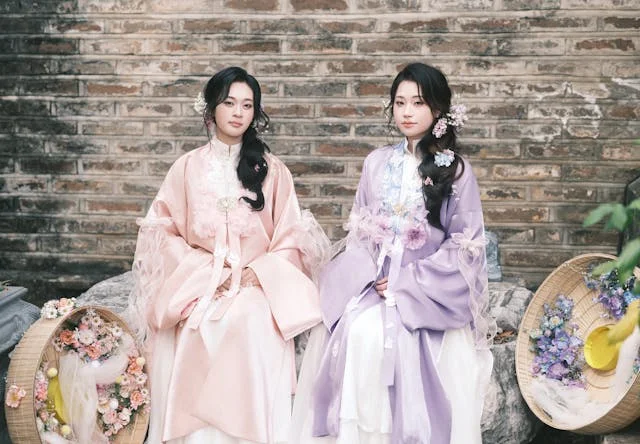
What Is Traditional Korean Clothing Called? Hanbok History, Styles & Culture
According to the National Folk Museum of Korea, the hanbok — the term for traditional Korean clothing — has been worn continuously for over two thousand years, making it one of the longest-unbroken clothing traditions in East Asian history. What began as practical layered garments for the Joseon dynasty’s harsh winters evolved into a sophisticated system of dress that communicated gender, age, marital status, and social rank at a single glance. The silhouette has barely changed since the 15th century, which is remarkable when you consider how thoroughly the rest of the world’s clothing was transformed during the same period.
This article covers what traditional Korean clothing actually looks like, what the individual garments are called, how they differ between men and women, what the colors and fabrics meant historically, and how hanbok is worn today in both Korea and Western countries. If you’ve come across hanbok in a K-drama, at a Korean cultural event, or on social media and wanted to understand more than the surface level, this is the place to start.
Most English-language articles on this subject either give you a vague paragraph about “flowing robes” or dive immediately into shopping links. This one goes further: it covers the lesser-discussed regional and class-based variations in hanbok, explains the practical construction logic behind each component, and addresses the honest trade-offs of wearing hanbok as a non-Korean in the West — a question that comes up constantly but rarely gets a direct answer.
What Traditional Korean Clothing Is Called and What It Includes
The word hanbok literally translates to “Korean clothing” — han meaning Korean, bok meaning clothing. It is the collective name for the full traditional dress of Korea rather than a single garment, which is a common source of confusion. Saying “I’m wearing a hanbok” is similar to saying “I’m wearing a suit” — it refers to the coordinated ensemble, not one piece.
The women’s hanbok consists of two main components: the jeogori and the chima. The jeogori is the upper jacket — cropped, with long sleeves and a distinctive V-shaped collar called a git. It ties at the chest with a decorative ribbon called the goreum. The chima is the full, high-waisted skirt worn beneath, gathered just below the bust and falling to the floor. Together they create the silhouette most people recognize: a small fitted top over a dramatically full skirt.
The men’s hanbok follows a different structure. Men also wear a jeogori, though theirs is longer and less cropped than the women’s version. Below, they wear baji — loose, wide-legged trousers tapered at the ankles. Over the jeogori, men traditionally add a long outer coat called a po, which comes in various forms depending on occasion and rank. Both men and women wore white undergarments called sokot beneath the outer layers, and footwear traditionally consisted of boat-shaped shoes called hye, made from silk or leather.
Children’s hanbok is notably more colorful than adult versions. Young children, especially at their first birthday celebration called dol, are dressed in stripes of primary colors — red, blue, yellow, green — across the sleeves. This rainbow-striped sleeve design is called saekdong, and it is one of the most visually distinctive Korean traditional clothes patterns you’ll encounter.
The Role of Color and Fabric in Korea’s Traditional Dress Culture
Color in traditional Korean clothing was never decorative in the way Westerners typically think of it. It was a regulated system. According to the Norigae Museum in Seoul, ordinary people during the Joseon dynasty were restricted to undyed or pale-colored fabrics, while nobility wore jewel-toned silk in deep blues, reds, and greens. Commoners who wore vivid colors without the appropriate status were violating sumptuary laws that carried real penalties.
White held a special place in Korean dress culture. Korea was historically called the “white-clad people” by neighboring nations, and white or undyed ramie and hemp were the fabrics of everyday life for most of the population. White was not the color of poverty — it was associated with purity, mourning, and a kind of deliberate simplicity that was considered dignified. This is one of the cultural distinctions that separates hanbok from Chinese and Japanese traditional dress, both of which favored more elaborate surface decoration for their common-wear garments. If you are interested in how neighboring cultures handled similar questions, the article on traditional Chinese outfit traditions and their cultural meaning draws some useful parallels.
Fabric choice also tracked closely with social rank. Silk, particularly ramie silk and lightweight gauze called sa, was reserved for the nobility and royal court. Cotton and hemp were the materials of the common people. The texture of hanbok — the way light moves through a well-made silk jeogori — is something that photographs cannot fully capture, which is part of why the garment rewards seeing in person at a cultural event or museum exhibition.
For ceremonial occasions, embroidery called ja-su was added to hanbok. Phoenixes, peonies, bats (considered lucky), and cranes appeared on ceremonial robes, each carrying specific symbolic weight. A crane, for instance, signified longevity and scholarly virtue — making it a natural choice for the robes of civil officials.
Traditional Korean Clothes for Men and Women: Key Differences
The most obvious difference between men’s and women’s hanbok is proportion. Women’s jeogori became progressively shorter and more cropped across the Joseon dynasty, reaching its most extreme form in the late 19th century when the jeogori barely covered the chest and the goreum ribbon became an essential structural element rather than just a decorative one. Men’s jeogori, by contrast, stayed longer throughout history — falling to the hip or below, similar to a jacket.
The outer layers diverge significantly. Women layered a large outer coat called a durumagi over their chima and jeogori for cold weather or formal occasions. Men also wore the durumagi, but their formal occasions called for more elaborate additions: the samo, a stiff black official’s hat, and the jeoksampo, a wide-sleeved formal coat, were elements of court or official dress with no direct female equivalent.
Hair and headwear completed the ensemble in gender-specific ways. Married women wore their hair in a low chignon called a jjok-meori, often decorated with a binyeo (hairpin) made from jade, silver, or gold depending on rank. Unmarried women wore long braids. Men’s hair was braided and coiled under a topknot called a sangtu before being covered with hats — the gat, a wide-brimmed black horsehair hat, being the most iconic marker of educated adult male status in the Joseon period. The gat in particular is immediately recognizable and has appeared widely in Korean historical dramas seen across the US and UK.
Quick Note: The term “Korea culture dress” is sometimes used informally, but the correct and universally understood term is hanbok. Using hanbok when searching for authentic garments, rental services, or cultural events will get you significantly more accurate results than broader search terms.
Hanbok Today: How Traditional Korean Clothing Is Worn in the Modern World
Modern Koreans wear hanbok for specific occasions rather than daily life. The two most common are Seollal (Lunar New Year) and Chuseok (harvest festival), when families across Korea dress in hanbok to pay respects to ancestors and participate in traditional ceremonies. Weddings are another significant occasion — not only the couple but often family members wear hanbok, with the bride typically in a red-and-blue combination and the groom in blue or darker tones.
The Korean hanbok industry has seen a strong revival, partly driven by the global reach of K-dramas and K-pop, and partly by a domestic movement called neo-hanbok that makes traditional silhouettes wearable for modern life. Brands like Leesle (based in Seoul) and Hanboknam have made neo-hanbok — simplified, lighter versions in contemporary fabrics — popular among younger Koreans and international buyers alike. These modern takes retain the distinctive chima silhouette and jeogori structure but use linen blends, cotton, and modern dyes, making them practical for daily wear in a way that traditional silk hanbok simply is not.
For visitors to Korea, hanbok rental is widely available near major palaces in Seoul, including Gyeongbokgung and Changdeokgung. Wearing hanbok to a palace grants free admission, which has made it a popular tourist activity. The experience of walking through a Joseon-era palace in traditional dress is genuinely different from the tourist experience in Western historical sites — it creates a physical connection to the architecture that photographs do not replicate. The comparison to traditional Japanese royal clothing and how it functioned within palace culture is instructive here: both traditions used dress as a form of spatial and social ordering within royal compounds.
Outside Korea, hanbok is worn at cultural festivals, Korean community events, and increasingly at multicultural celebrations in cities across the US and UK. Organizations like the Korean Cultural Center (with locations in both Los Angeles and London) regularly host hanbok-wearing events as part of cultural education programming.
Wearing Hanbok as a Non-Korean: What You Should Actually Know
This is the question that most articles skip entirely, so it deserves a direct answer. Wearing hanbok as a non-Korean at a cultural event, festival, or when visiting Korea is broadly welcomed — the Korean cultural perspective on hanbok sharing is, generally, one of openness rather than restriction. The Korean Tourism Organization actively encourages visitors to try hanbok, and rental services near Seoul’s palaces are explicitly designed for international visitors.
The situation is somewhat different when it comes to integrating hanbok into everyday Western fashion or wearing it as costume in contexts divorced from any cultural acknowledgment. Our take: treat hanbok the way you’d treat any garment with significant cultural weight — wear it with awareness of what it represents, not as a generic “Asian costume.” If you’re wearing it at a Korean cultural event, a Chuseok celebration, or on a palace visit in Seoul, you’re participating in a tradition that welcomes you. If you’re wearing a cheap Halloween version with no cultural context, that’s where it gets uncomfortable for Korean communities.
The honest limitation here is practical as much as cultural: authentic hanbok requires knowing how to tie the goreum correctly, how to layer the undergarments, and how to move in the silhouette — it’s not as simple to put on as it appears. Most rental shops will help dress you properly, and that assistance is part of the experience rather than something to feel self-conscious about. The situation is comparable to wearing an Irish traditional dress to a céilí or a traditional Canadian outfit at a cultural heritage event — context and intention matter far more than ethnicity.
Frequently Asked Questions
What are traditional Korean clothes called?
Traditional Korean clothes are called hanbok. The word literally means “Korean clothing” and refers to the full coordinated ensemble rather than a single garment. The main components are the jeogori (jacket), chima (skirt for women), and baji (trousers for men). You may also see older historical references using the term joseon-ot, which specifically refers to hanbok from the Joseon dynasty period (1392–1897). In contemporary usage, hanbok is the universally understood term in both Korean and English contexts.
What is the difference between men’s and women’s hanbok?
Women’s hanbok features a short, cropped jeogori jacket paired with a full, high-waisted chima skirt that falls to the floor. Men’s hanbok uses a longer jeogori worn over wide-legged baji trousers, often with an outer coat called a po or durumagi for formal occasions. Men’s hanbok historically also incorporated elaborate hat traditions — including the iconic horsehair gat — that had no female equivalent. Both men’s and women’s versions use the same basic color and fabric hierarchies, but the silhouettes and layering systems are quite different.
Can I buy hanbok outside of Korea?
Yes, hanbok is increasingly available outside Korea through Korean cultural districts in major cities — particularly in Los Angeles (Koreatown), London (New Malden), and other cities with established Korean communities. Online, Korean brands including Leesle ship internationally, and Etsy has a significant number of Korean sellers offering both traditional and neo-hanbok. Prices for quality traditional hanbok start around $150–$250 for a basic set; full silk ceremonial versions from established Korean ateliers can run $500–$2,000 or more. If you want to try before buying, hanbok rental is available at Korean cultural centers in several US and UK cities.
Is hanbok still worn in Korea today?
Hanbok is not everyday wear for most Koreans today, but it remains a living tradition rather than a purely museum piece. It is worn regularly for Seollal (Lunar New Year), Chuseok (harvest festival), weddings, the dol (first birthday), and hwangap (60th birthday) celebrations. Neo-hanbok — modernized versions using contemporary fabrics and simplified construction — has created a new daily-wear market, particularly among younger Koreans. K-drama costume departments have also introduced hanbok to global audiences at a scale not seen before, which has created genuine renewed domestic interest in wearing it.
What does the color of hanbok signify?
Color in hanbok was historically regulated by social status. Vibrant jewel tones — deep red, royal blue, emerald green — were reserved for nobility and royalty. Commoners wore white, off-white, or pale-colored fabrics. Children’s hanbok, especially for the dol first birthday, features the distinctive saekdong multicolored striped sleeves as a symbol of blessing and abundance. In modern hanbok, the strict color hierarchies no longer apply, but traditional color associations remain culturally understood: red and blue together represent yin and yang harmony (seen in wedding hanbok), and white retains its association with purity and mourning.
How is a hanbok different from a kimono or a qipao?
These three garments are often grouped together by Western audiences but are structurally and culturally distinct. The hanbok is characterized by its dramatically full chima skirt, high waistline, and the tied goreum ribbon closure — it has no wraparound construction. The Japanese kimono is a T-shaped robe wrapped at the waist and secured with an obi sash, sitting flat against the body. The Chinese qipao (cheongsam) is a fitted, column-shaped garment with Mandarin collar closures. Each reflects the aesthetic priorities of its own culture: Korean hanbok emphasizes natural line and flowing volume; the kimono emphasizes flat layering and surface textile art; the qipao emphasizes fitted tailoring and structural precision.
Final Thoughts
Traditional Korean clothing carries over two thousand years of design logic, social history, and cultural identity in every seam. The hanbok is not simply a costume or a historical artifact — it is a garment system that people are actively wearing, adapting, and passing on. Understanding the jeogori, chima, baji, and the color and fabric systems that governed their use gives you a genuinely richer way to engage with Korean culture, whether you encounter it through travel, K-drama, or a community event closer to home.
If you want to go further, the most practical next step is to find a hanbok rental or fitting event near you — Korean cultural centers in Los Angeles, London, New York, and other cities with Korean communities offer them regularly. Wearing hanbok for even a few hours shifts your understanding from abstract knowledge to something physical and immediate, which no amount of reading can fully replicate.



Leave feedback about this