

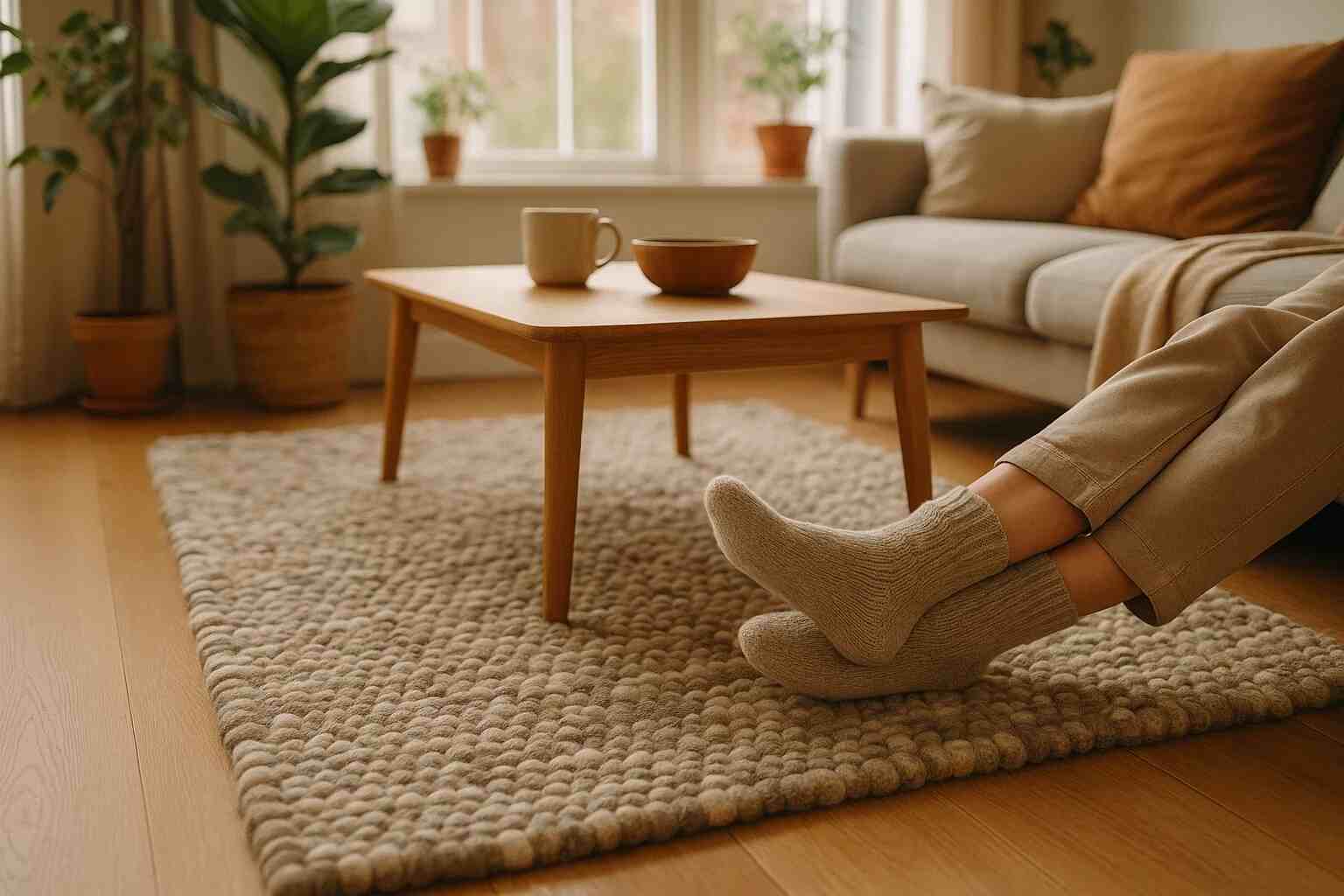
Wollmatten for UK Homes: Why Wool Mats Are the Smart Eco Upgrade
Introduction
With sustainability and natural living gaining traction across the UK, more homeowners are turning to eco-friendly materials for home improvement. Among these, Wollmatten—the German term for “wool mats”—have emerged as a stylish and practical choice. Known for their warmth, comfort, and natural resilience, Wollmatten offer a timeless blend of tradition and modern functionality.
These mats not only enhance your interior aesthetics but also contribute to better insulation, air quality, and overall wellness. Made from pure sheep’s wool, they help regulate indoor temperatures, absorb moisture naturally, and reduce allergens—making them ideal for UK’s damp and cold climate.
In this guide, we’ll explore everything you need to know about Wollmatten: what they are, how they’re made, their properties, and why they’re worth the investment. You’ll also learn how to select the right wool mat for your home, how to install and maintain it, and what pros and cons to consider before buying.
By the end, you’ll have a clear understanding of whether Wollmatten are the right addition to your home—and how to enjoy their comfort and eco-friendly charm for years to come.
Contents
What are Wollmatten?
The word Wollmatten comes from German—“woll” meaning wool and “matten” meaning mats. Essentially, they are mats or rugs made entirely or mostly from natural sheep’s wool. Historically, wool mats have been used across Europe and Central Asia for centuries as insulation layers, sleeping pads, or decorative rugs.
Modern Wollmatten have evolved into versatile home products used for flooring, wall insulation, or even design accents. They come in various forms—felted mats that offer dense warmth, woven ones with rich textures, or pressed mats ideal for underfloor insulation. Their soft, tactile surface brings a natural coziness to living spaces while maintaining durability.
Whether you want to create a rustic countryside feel or a minimalist Scandinavian-style interior, Wollmatten seamlessly blend functionality with design, offering both visual appeal and everyday practicality.
How are Wollmatten made?
The process of making Wollmatten begins with ethically sourced sheep’s wool. Once collected, the wool undergoes scouring—a cleaning process that removes natural oils and impurities. After drying, it’s carded to align the fibers, creating an even texture suitable for further processing.
Depending on the desired style, manufacturers use different methods:
Felted mats are made by compressing wool fibers using heat, moisture, and pressure, creating a dense, non-woven surface.
Woven mats are crafted on looms, offering detailed patterns and a more flexible structure.
Pressed wool mats combine fibers under pressure to produce durable insulation layers.
Natural dyes and finishing treatments add color and protection. High-quality Wollmatten typically feature thicker weaves and dense fiber structures, ensuring longevity, comfort, and better resistance to daily wear.
Key properties of wool and why they matter
Wool is one of nature’s most remarkable materials, and its inherent properties make Wollmatten stand out from synthetic alternatives.
Thermal Insulation: Wool traps air within its fibers, maintaining warmth in winter and coolness in summer.
Moisture Regulation: Its hygroscopic nature allows it to absorb and release moisture gradually, helping to balance indoor humidity.
Durability & Resilience: Wool fibers can bend thousands of times without breaking, which helps the mat retain its shape even with heavy foot traffic.
Sound Insulation: Wollmatten effectively dampen echoes and reduce noise, ideal for busy UK households or apartments.
Sustainability: Wool is renewable, biodegradable, and requires less energy to produce than synthetic materials.
Health Benefits: Being hypoallergenic and resistant to dust mites, wool mats are ideal for allergy sufferers and improve indoor air quality.
Home improvement applications: Where to use Wollmatten in your house
Wollmatten can enhance almost every room in your home:
Living Rooms: Use as rugs under coffee tables or sofas for a cozy atmosphere.
Bedrooms: Perfect for comfort underfoot and temperature regulation during cold UK nights.
Hallways & Entryways: Wool’s resilience withstands heavy use while offering warmth.
Underfloor Insulation: Pressed wool mats can be used beneath floorboards for energy efficiency.
Wall & Seat Mats: Add aesthetic warmth and acoustic comfort to minimalist interiors.
Outdoor/Porch Use: With proper treatment, they can add rustic charm to covered spaces.
Compared to synthetic mats, Wollmatten provide superior insulation, are less prone to static buildup, and age gracefully without losing their charm.
Buying guide: What to look for (UK context)
When choosing Wollmatten for your home, consider the following factors:
Material: Ensure it’s 100% wool or a high-quality wool blend.
Thickness & Density: Thicker mats provide better insulation and durability.
Finish & Backing: Look for anti-slip backing—essential for UK’s hardwood or laminate floors.
Certifications: Check for sustainable sourcing and eco-friendly dyes (e.g., Woolmark certification).
Size & Style: Match mat size to your room layout and choose colors that complement British décor trends—neutral tones and earth shades are popular.
Cost vs Lifespan: Higher initial cost often means better longevity and performance.
Installation & Maintenance Tips
Installing Wollmatten is simple: roll them out on clean, dry surfaces. Use underlays or anti-slip mats to prevent shifting, especially on wooden or tiled floors.
Cleaning:
Regular vacuuming keeps fibers fresh. For spills, blot gently with a damp cloth—avoid strong detergents. Dry thoroughly to prevent moisture retention.
Maintenance:
Rotate mats occasionally to distribute wear evenly. Keep them away from direct sunlight and excessive heat. In UK’s damp seasons, ensure proper ventilation to prevent condensation underneath.
Longevity Tip: With proper care, a high-quality Wollmatte can last over a decade, aging beautifully while maintaining its comfort and appearance.
Pros & Cons of Wollmatten
| Pros | Cons |
|---|---|
| Natural, eco-friendly material | Higher initial cost |
| Excellent insulation & comfort | Requires careful cleaning |
| Durable and long-lasting | May shed slightly at first |
| Hypoallergenic & breathable | Limited color/pattern options |
| Enhances air quality & aesthetics | Needs underlay in damp areas |
Compared to synthetic alternatives, Wollmatten deliver better comfort, health benefits, and sustainability—making them a long-term investment for conscious homeowners.
Cost & Value: Are they worth it for UK homeowners?
Wollmatten generally fall into the mid-to-premium price range, depending on thickness, design, and origin. While synthetic mats might seem cheaper initially, wool’s longevity and thermal benefits quickly offset the difference.
For instance, a quality wool mat may last 10–15 years, compared to 3–5 years for synthetics. It also contributes to energy savings through improved insulation. Additionally, its timeless aesthetic adds both warmth and sophistication to your interior.
Though you may spend more upfront, the long-term comfort, durability, and environmental value make Wollmatten a smart and sustainable choice for UK homes.
Sustainable & Health Benefits
Wool is a renewable and biodegradable resource. Unlike synthetic mats that contribute to plastic waste, Wollmatten decompose naturally at the end of their lifespan. When sourced ethically, wool has a low environmental impact—supporting local farmers and reducing global emissions.
Health-wise, Wollmatten improve indoor air quality by trapping dust and minimizing allergens. Their lack of synthetic chemicals or VOCs makes them ideal for sensitive users. For eco-conscious homeowners, choosing Wollmatten aligns perfectly with the UK’s green living movement and sustainable home improvement goals.
FAQ
What does “Wollmatten” literally mean?
It’s German for “wool mats”—crafted from natural wool fibers used for warmth and comfort in homes.
Are wool mats better than synthetic mats?
Yes. They offer superior insulation, durability, and sustainability, though they cost slightly more.
Can I use Wollmatten on a heated floor?
Yes, but ensure the mat has suitable backing to prevent overheating or slipping.
How do I clean a wool mat and how long will it last?
Vacuum regularly, spot-clean with mild detergent, and air-dry. With care, it can last over 10 years.
Are Wollmatten safe for allergy sufferers?
Absolutely. Wool resists dust mites and mould, making it a healthy choice for sensitive individuals.
Is the higher cost justified for UK homes?
Yes—due to their insulation benefits, longevity, and low maintenance, they offer long-term value.
Conclusion
Wollmatten combine the best of nature, comfort, and design. From their sustainable origins to their insulating and aesthetic properties, they stand out as a perfect fit for modern UK homes seeking both style and conscience.
Choosing Wollmatten means investing in long-lasting warmth, improved air quality, and eco-friendly living. Whether you’re renovating a living room, insulating a floor, or adding a natural accent, wool mats bring enduring beauty and function to your space.
Greek Meal Traditions Explained: Must‑Try Street Foods, Family Classics, and Island Flavors



Leave feedback about this