

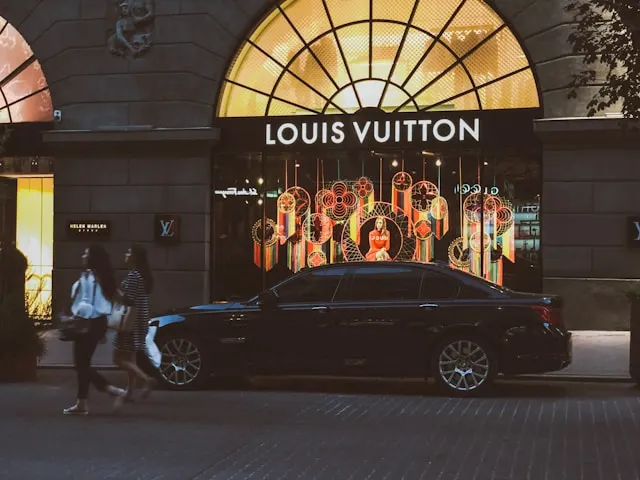
5 Visual Rules Behind Standout Luxury Lifestyle Images
According to a 2023 report by Getty Images, searches for luxury lifestyle images increased by 47% year-over-year, driven largely by demand from brand marketers, interior designers, and content creators across the US and UK. That number reflects something real: the appetite for high-end visual content has outpaced most other stock photography categories, and the gap between a compelling luxury image and a generic one keeps widening. Knowing what separates the two matters more than most people realize.
This article breaks down what makes luxury lifestyle images work — from compositional choices and color palettes to the specific contexts that signal wealth authentically rather than awkwardly. You will find practical guidance on finding, using, and even shooting this type of content, along with a clear look at where most creators go wrong and how to avoid those mistakes.
Most articles on this topic stop at “use high-quality stock photos.” That advice is nearly useless without context. What you will find here instead is a grounded look at the specific visual cues, lighting conditions, and scene types that elite brands and top photographers actually use — including the ones that rarely get discussed and that cheaper content consistently misses.
What Luxury Lifestyle Images Actually Communicate
The most common mistake people make when looking at luxury lifestyle pictures is assuming that expensive objects create the feeling of wealth. They do not. What luxury imagery actually communicates is effortlessness — the visual sense that abundance is a natural condition, not a performance. A watch placed casually on a marble counter reads richer than the same watch posed in a product shot. Context carries as much meaning as the subject itself.
This distinction matters enormously if you are sourcing or creating visual content. According to Shutterstock’s annual creative trends report, imagery that depicts “quiet luxury” — understated settings, neutral palettes, and scenes of ease rather than display — consistently outperforms overtly flashy visuals in brand engagement metrics. The loud penthouse-and-sports-car aesthetic peaked around 2015. What resonates now is the suggestion of a life lived well, not the proof of possessions accumulated.
The emotional register of effective luxury lifestyle wallpaper and editorial images tends to land somewhere between aspiration and intimacy. The viewer should feel invited into a world, not excluded from it. That is a fine line, and it is why so many AI-generated and budget stock images miss it — the lighting is too harsh, the spaces too empty, the people too posed. Authentic luxury images feel inhabited.
If you are building a brand, a blog, or a personal aesthetic platform and you want to understand what a genuine luxury lifestyle looks and feels like, the visual shorthand matters as much as the substance behind it. You cannot fake the atmosphere, but you can learn to recognize it and seek it out deliberately.
The Visual Elements That Define Aesthetic Luxury Lifestyle Photography
There are specific technical and compositional elements that appear consistently in premium luxury lifestyle pics, and knowing them helps whether you are shooting original content or curating existing images. The first is lighting. Natural light — particularly diffused morning or late afternoon light — is almost universal in high-end lifestyle imagery. Hard midday light flattens skin and surfaces, stripping away the softness that signals comfort and ease.
Color palette is the second major signal. Luxury lifestyle wallpaper and editorial images consistently work in constrained color ranges: warm whites and creams, deep navy, champagne, forest green, cognac brown. These are not accidents. They are informed by fashion and interior design conventions that associate restraint with refinement. Oversaturated images with clashing colors read as amateur regardless of how expensive the content actually is.
Negative space is the third element that separates elite from average. Premium images of luxurious lifestyle give subjects room to breathe. The tendency to fill every corner of a frame with expensive objects is exactly what wealthy people and sophisticated brands avoid. Sparse, curated, intentional — that is the visual grammar of genuine luxury. Lifestyle photography at its best applies these same principles to everyday scenes, which is why the best luxury imagery feels natural rather than staged.
Texture also plays a role that gets underestimated. Cashmere, linen, aged leather, raw stone, polished brass — luxury images trade heavily in tactile suggestion. A close crop of a textured surface communicates quality more efficiently than a wide shot of a room full of designer furniture. When you look at a rack of images of luxury lifestyle, the ones that hold attention longest almost always include this close detail work.
Where to Find High-Quality Luxury Lifestyle Images
The stock photography market for luxury content has matured significantly. Getty Images and its subsidiary iStock remain the gold standard for commercial licensing, particularly for US and UK brands that need model releases and full clearance. The pricing reflects that — a single image with extended license can run $300 to $500 or more. For many applications, that is justified. For others, it is not.
Unsplash and Pexels offer a genuinely impressive range of free luxury lifestyle images, though the selection is inconsistent and licensing for commercial use requires careful verification on a case-by-case basis. Depositphotos and Adobe Stock occupy a solid middle ground, with subscription plans that make sense for content creators who need volume without the Getty price tag.
Beyond stock platforms, two services stand out in 2025 and 2026 for distinct reasons. Stocksy United (US-based) is a cooperative of independent photographers that leans heavily into the authentic, editorial-feeling imagery that defines current luxury aesthetic trends — their curation is genuinely better than most mass-market alternatives. In the UK, Offset by Shutterstock specializes in exactly this category: refined, artistic imagery that feels editorial rather than commercial. Both offer content that looks substantially different from generic stock.
Our take: if you are building a brand around aspirational lifestyle content and you are relying on free stock images from the same three or four providers everyone else uses, your visual identity will always look borrowed. The investment in a Stocksy subscription or a custom shoot — even a small one — pays back in brand differentiation within the first few months. Generic luxury imagery is a contradiction in terms.
How to Use Luxury Lifestyle Images Without Looking Inauthentic
Finding great images is only half the task. How you deploy them determines whether your content reads as genuinely elevated or as aspirational posturing. The most common error is juxtaposition failure — placing a stunning luxury lifestyle wallpaper behind text or product content that does not belong in the same register. A beautifully lit villa terrace as the background for a discount offer creates cognitive dissonance that undermines both the image and the message.
Consistency matters more than individual image quality. A feed or website that mixes luxury aesthetic lifestyle images with casual smartphone snapshots will never cohere into a premium brand identity, regardless of how good the individual luxury images are. This is where curation discipline comes in. Every image in a luxury-positioned brand should pass the same tonal and compositional filter.
There is also a practical trade-off worth acknowledging here. High-quality imagery takes time and money to source properly, and not every piece of content on a lifestyle blog or brand platform needs to operate at the top tier. For posts that are more functional — how-to content, FAQs, list articles — a good mid-tier image does the job without breaking your budget. Reserve the best images of luxury lifestyle for hero sections, social content designed to stop the scroll, and anything that represents your brand at its highest level.
For deeper context on how visual content connects to the full picture of high-end living, the world of the rich and famous lifestyle offers useful perspective on what actually defines luxury beyond the surface imagery. Understanding the substance behind the visuals makes it significantly easier to select images that feel true rather than hollow.
Shooting Original Luxury Lifestyle Content: What Actually Works
Many brands and creators assume that shooting original luxury lifestyle images requires significant production budgets. That assumption is not accurate. What it actually requires is location, light, and restraint — three things that do not necessarily cost much at all. A well-lit corner of a premium hotel lobby, a friend’s well-designed apartment, or a beautifully maintained garden can all serve as settings for genuinely compelling luxury lifestyle pictures, provided the image-maker understands the visual grammar discussed earlier.
The single most impactful upgrade to any lifestyle shoot is lighting control. Shooting near large windows during the golden hour — roughly the first and last hour of daylight — produces that diffused, warm quality that distinguishes editorial from amateur. A $40 white foam board used as a reflector will do more for your images than most camera upgrades. This is not a secret among professional photographers, but it rarely appears in articles aimed at non-specialists.
Props and styling matter more than most people account for. A cashmere throw draped over a chair, a single stem in a handblown glass vase, an open book alongside an espresso — these are the specific details that signal the kind of life that luxury lifestyle images are meant to evoke. The line between luxury and simplicity is finer than most people think, and the best luxury images actually sit closer to the simple end of that spectrum than to the opulent one.
One limitation that is worth naming directly: original luxury lifestyle content requires consistency across shoots. A single great photo session does not give you a visual identity. You need to develop and document your style guidelines — your preferred lighting direction, your color palette, your prop vocabulary — and apply them repeatedly. Without that consistency, even excellent individual images will not build the cumulative brand signal that premium positioning requires. If you are operating solo or with a small team, this is the hardest part.
You can find useful additional context on the world of exclusive lifestyle events, which offers a window into the settings and atmospheres that luxury lifestyle imagery draws from — useful reference material whether you are shooting original content or sourcing existing images.
Frequently Asked Questions
What makes a luxury lifestyle image look authentic rather than staged?
Authenticity in luxury imagery comes from several converging factors: natural or diffused light rather than artificial flash, scenes that feel inhabited rather than arranged for camera, and subjects that appear relaxed rather than posed. The best luxury lifestyle images tend to include imperfections — a slight wrinkle in linen fabric, a half-empty glass, a dog sleeping in the corner of a beautifully furnished room. These details signal that the scene is lived-in rather than constructed. When everything is too perfect, the image reads as aspiration rather than reality, and that gap undermines the luxury signal.
Are free luxury lifestyle images from Unsplash or Pexels good enough for brand use?
They can be, but with caveats. The quality range on free platforms is enormous — there are genuinely excellent images available at no cost, but they sit alongside a much larger volume of mediocre content. The bigger issue for brand use is ubiquity: the best free luxury images get downloaded thousands of times, which means your competitor may be using the same hero image you are. For blog content and social posts with limited reach, free sources are perfectly reasonable. For flagship brand assets — website headers, campaign materials, anything representing your brand at scale — the investment in exclusive or premium imagery pays for itself in differentiation.
How do I choose the right luxury lifestyle wallpaper for a website background?
The key considerations are contrast, legibility, and tonal consistency. A luxury lifestyle wallpaper used as a website background needs to recede enough that text placed over it remains readable, which typically means choosing images that have a large area of relative uniformity — a pale sky, a softly blurred interior, a smooth marble surface. High-detail images make terrible backgrounds for text-heavy pages. Also consider the color temperature of your brand palette: warm-toned imagery will clash with cool-toned brand colors and vice versa. Test the image at full screen on both desktop and mobile before committing.
What is the difference between luxury lifestyle images and aspirational lifestyle images?
The distinction is subtle but important for brand positioning. Luxury lifestyle imagery depicts a world of actual high-end material quality — fine architecture, couture fashion, private travel, premium food. Aspirational lifestyle imagery depicts a quality of experience that feels elevated without necessarily being expensive — a well-styled apartment, a beautiful beach morning, a perfectly made coffee. Both have their place. Luxury images signal exclusivity and premium positioning; aspirational images are more accessible and tend to drive broader engagement. Knowing which register your brand actually operates in — and being honest about it — prevents the visual mismatch that makes content feel false.
How many images of luxury lifestyle do I need to maintain a consistent brand aesthetic?
For a lifestyle blog or brand social presence, a working library of 50 to 100 curated images gives you enough variety to post consistently without repeating content within a visible window. More important than volume is coherence — 20 images that share a clear aesthetic identity will serve your brand better than 200 images from different sources with different tonal qualities. Build your library deliberately: set clear criteria for what belongs in it, and be willing to pass on technically good images that do not fit your established visual language.
Final Thoughts
The gap between luxury lifestyle images that actually work and those that just look expensive is almost entirely about intention and understanding — knowing the visual language of genuine luxury and applying it deliberately rather than imitating the surface signs. Whether you are sourcing stock imagery, shooting your own content, or building a visual brand from scratch, the principles are consistent: prioritize light, restraint, texture, and coherence over volume and spectacle.
The most practical next step is to audit whatever images you are currently using — on your website, in your social content, in your brand materials — and honestly assess whether they tell a consistent story at the quality level you want to be associated with. If they do not, start by replacing the highest-visibility assets first. One genuinely excellent luxury lifestyle image in your hero section outperforms ten mediocre ones scattered throughout your content.



Leave feedback about this