

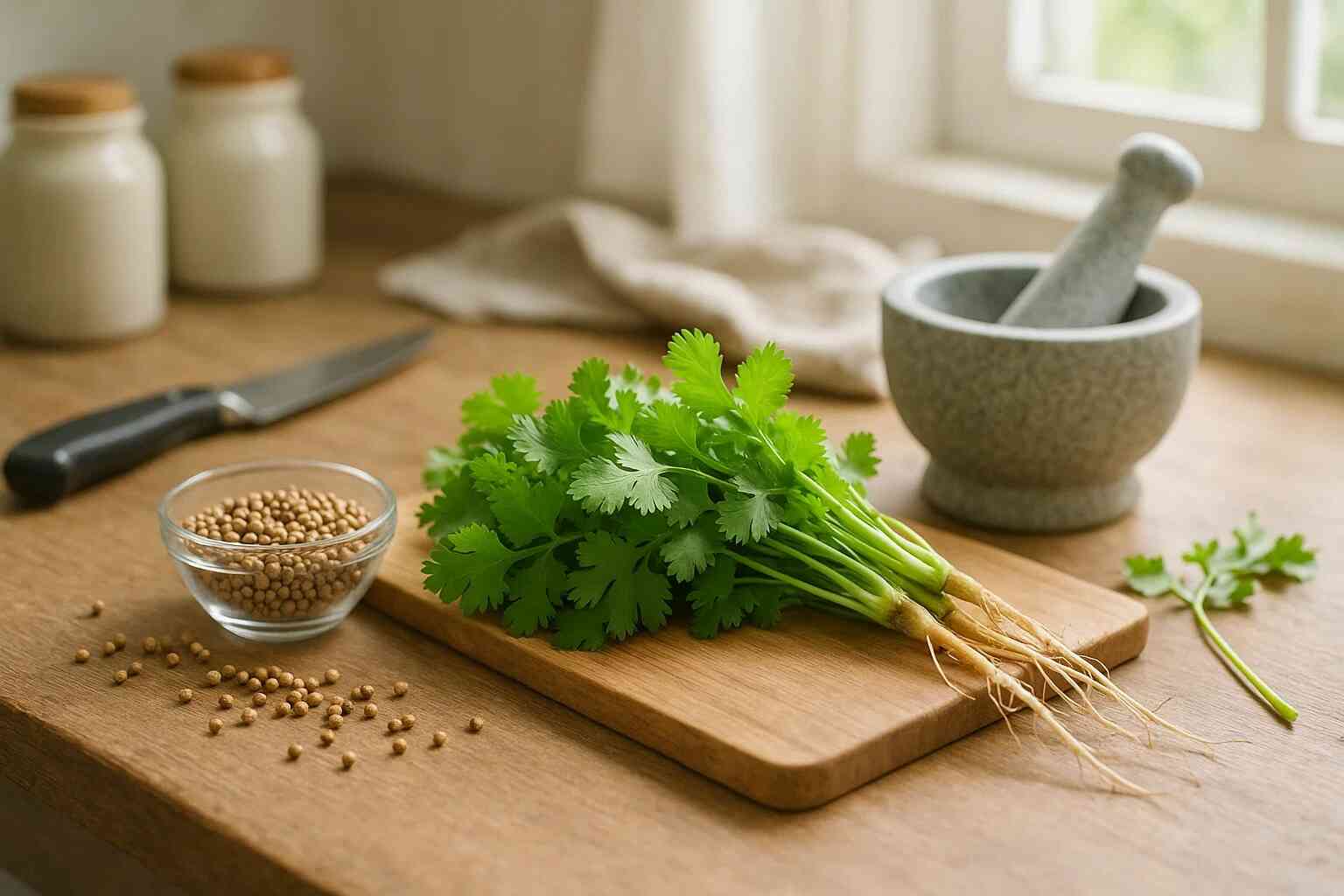
Discover Koriandri — How to Use Coriander Leaves, Seeds & Roots Like a Pro
Introduction
Koriandri, commonly known as coriander or cilantro, is one of the world’s most versatile herbs. Found in cuisines from Mexico to India, this vibrant green plant adds freshness, aroma, and flavor to countless dishes. Whether you sprinkle chopped coriander leaves on a curry, use crushed seeds for spice rubs, or blend it into chutneys, Koriandri has something to offer for every palate.
Beyond the kitchen, Koriandri is celebrated for its nutritional value — rich in vitamins A, C, and K — and antioxidant compounds that support digestion and immunity. Yet, it’s also a bit of a mystery: some people love its citrusy brightness, while others detect an unexpected “soapy” taste.
In this complete guide, we’ll explore everything about Koriandri — from its botanical roots and health benefits to how you can grow, store, and cook with it at home.
What is Koriandri?
Koriandri, scientifically known as Coriandrum sativum, is an annual herb in the parsley family. Depending on where you are in the world, it goes by different names: “cilantro” in the U.S. and “coriander” in the U.K. and much of Asia. The entire plant is edible — from its delicate leaves and stems to its aromatic seeds and roots.
This plant thrives in mild, sunny climates and is native to the Mediterranean and Middle East, spreading globally through trade and cultural exchange. While the fresh leaves are used for garnish and flavoring, the dried seeds serve as a spice base for curries, pickles, and marinades. In short, Koriandri bridges the gap between herb and spice, making it a unique culinary treasure.
Flavor Profile: Leaves vs Seeds vs Roots
Each part of the Koriandri plant offers a distinct flavor. The leaves are bright, citrusy, and slightly peppery, perfect for adding freshness to salads, chutneys, and tacos. The seeds, on the other hand, are warm and nutty with a touch of lemon zest — ideal for toasting and grinding into spice mixes. Roots, used mainly in Thai and Southeast Asian dishes, deliver an intense earthy aroma.
Interestingly, some people experience a “soapy” taste when eating coriander leaves. Science explains this through the OR6A2 gene, which makes certain individuals sensitive to aldehyde compounds in the plant. So, if coriander tastes like soap to you, blame genetics — not the cook!
Nutritional Value & Evidence-Backed Health Benefits
Koriandri is more than just a flavor booster — it’s packed with essential nutrients and antioxidants. A 100-gram serving of fresh coriander leaves provides:
| Nutrient | Amount | Benefit |
|---|---|---|
| Vitamin A | 6748 IU | Supports vision & skin health |
| Vitamin C | 27 mg | Boosts immunity |
| Vitamin K | 310 µg | Aids bone health |
| Potassium | 521 mg | Balances blood pressure |
Studies suggest coriander extracts may help reduce cholesterol, manage blood sugar, and fight inflammation — though more clinical evidence is needed. Its essential oils (especially linalool) possess antimicrobial properties, which can help preserve food naturally.
While not a cure-all, regular use of Koriandri in meals contributes to a balanced, nutrient-rich diet.
Culinary Uses: Recipes & Quick Wins
Koriandri shines in both raw and cooked dishes. Try these three quick recipes:
1. Mint-Koriandri Chutney (5 mins)
Blend 1 cup coriander leaves, ½ cup mint, green chili, lemon juice, and salt.
Serve with grilled snacks or samosas.
2. Simple Salsa Verde (10 mins)
Mix chopped coriander, onion, tomato, lime juice, and olive oil.
Great as a taco topping or dip.
3. Coriander Finishing Oil (15 mins)
Warm olive oil with coriander seeds and garlic.
Drizzle over roasted vegetables or soups.
These recipes showcase Koriandri’s versatility — from spicy dips to refreshing dressings — elevating even the simplest meals.
How to Select, Store, and Preserve Koriandri
When buying Koriandri, look for vibrant green leaves and firm stems with no yellowing or wilting. Avoid bunches with excess moisture, as they spoil quickly.
For short-term storage, trim the stems and place the bunch in a jar with an inch of water, loosely covered with a plastic bag in the fridge — it stays fresh for up to 7 days.
For long-term use, finely chop and freeze Koriandri in ice cube trays with olive oil or water. Avoid drying the leaves as they lose much of their aroma.
Do: Keep leaves dry before storing.
Don’t: Wash and refrigerate wet — this causes decay.
Growing Koriandri at Home
Koriandri is one of the easiest herbs to grow. Choose a sunny spot with well-drained soil. Sow seeds directly in pots or garden beds about ¼ inch deep. Water regularly, but avoid waterlogging.
The plant germinates in 7–10 days and can be harvested in 3–4 weeks. To ensure continuous growth, sow seeds every two weeks. Watch out for aphids and mildew — neem oil works as a natural pest repellent.
Homegrown Koriandri offers unmatched freshness and flavor — plus the joy of harvesting your own herbs right from the kitchen windowsill.
Seeds and Spice: Roasting, Grinding & Using Coriander Seeds
Coriander seeds are tiny powerhouses of flavor. To enhance their aroma, lightly roast them in a dry pan until fragrant, then grind or crush as needed.
Uses:
Add ground coriander to curry powders and spice rubs.
Use whole seeds for pickling and bread seasoning.
Mix crushed seeds into marinades for a citrusy punch.
Store roasted or ground coriander in airtight containers, away from heat and light, to preserve freshness for up to six months.
Substitutes and Pairings
If you’re out of Koriandri or among those who dislike its taste, try these smart substitutes:
For leaves: Use parsley + lime juice.
For seeds: Mix cumin and caraway.
Koriandri pairs beautifully with lime, chili, garlic, yogurt, cumin, and ginger. Use it in salsas, curries, soups, and salads — its flavor balances heat and acidity in many cuisines.
Safety, Allergies & Special Considerations
While Koriandri is safe for most people, a few points are worth noting:
Some individuals have cilantro allergy, leading to mild itching or swelling.
Those on medication for blood pressure or diabetes should consult a doctor before consuming large amounts of coriander extract or oil.
Pregnant women can safely use coriander as a food herb, but concentrated essential oils should be avoided.
Always consume Koriandri in moderation as part of a varied diet.
Cultural Uses & Cuisines
Koriandri holds a special place in many global cuisines. In India, it’s essential for chutneys and curries. In Mexico, fresh cilantro defines the flavor of tacos and guacamole. In Thailand, coriander roots and stems form the base of curry pastes.
Each culture uses it uniquely — showcasing how one herb can unify diverse culinary traditions while preserving regional identity.
Pros & Cons of Koriandri
| Pros | Cons |
|---|---|
| Adds freshness & aroma | Some people find it “soapy” |
| Rich in vitamins & antioxidants | Leaves wilt quickly |
| Versatile in cooking | Possible mild allergies |
| Easy to grow at home | Short shelf life |
Buyer’s Guide: Cost & Seasonal Tips
You can find Koriandri at most supermarkets, farmers’ markets, or online seed stores.
Price: Around $1–$2 per bunch (U.S.), £1–£1.50 (U.K.).
Best season: Spring and early summer offer peak flavor.
For the freshest leaves, choose local organic sources or grow your own for year-round supply.
FAQs
Is Koriandri the same as cilantro?
Yes. In the U.S., the leaves are called “cilantro,” while in the U.K. and elsewhere, both leaves and seeds are called “coriander.”
Why does coriander taste like soap to some people?
This happens due to the OR6A2 gene, which detects aldehydes that smell soapy to certain individuals.
Can I eat coriander seeds raw?
Yes, in small amounts. They have a mild lemony flavor and aid digestion, but roasting enhances their taste.
How long does fresh coriander last in the fridge?
Stored properly in water or a damp towel, it can stay fresh for 5–7 days. Freezing extends its use up to 3 months.
Conclusion
Koriandri — whether you call it coriander or cilantro — is a herb that bridges cultures, cuisines, and health traditions. From zesty chutneys and curries to aromatic seeds and oils, it brings life to every dish it touches.
Its nutritional profile, versatility, and ease of growing make it a kitchen essential worldwide. So, the next time you cook, don’t forget to add a handful of fresh Koriandri — your senses (and your health) will thank you.
Greek Meal Traditions Explained: Must‑Try Street Foods, Family Classics, and Island Flavors






Leave feedback about this