

Why Traditional Christmas USA Still Matters: Festive Customs & Family Ideas
- by Clark
- 0 Comments
- 6 months ago
Introduction
Christmas in the United States is a beautiful blend of old-world customs, regional influences, family rituals, and modern twists. While many people picture decorated trees, sparkling lights, or Santa Claus, the truth is that American Christmas traditions vary widely from state to state and even from family to family. What makes a traditional Christmas USA celebration so unique is how families add their own personal touch to classic customs.
In this guide, you’ll explore timeless traditions, cultural origins, regional differences, and practical ways to introduce new rituals into your celebrations. Whether you’re curious about how Americans typically celebrate, looking for ideas to refresh your holiday traditions, or simply someone who loves learning about festive culture, this article brings everything together in a warm and informative way.
Let’s dive into the traditions that define Christmas in the United States—and how they continue to evolve every year.
The Christmas Tree: Origins, Decorating, and Family Rituals
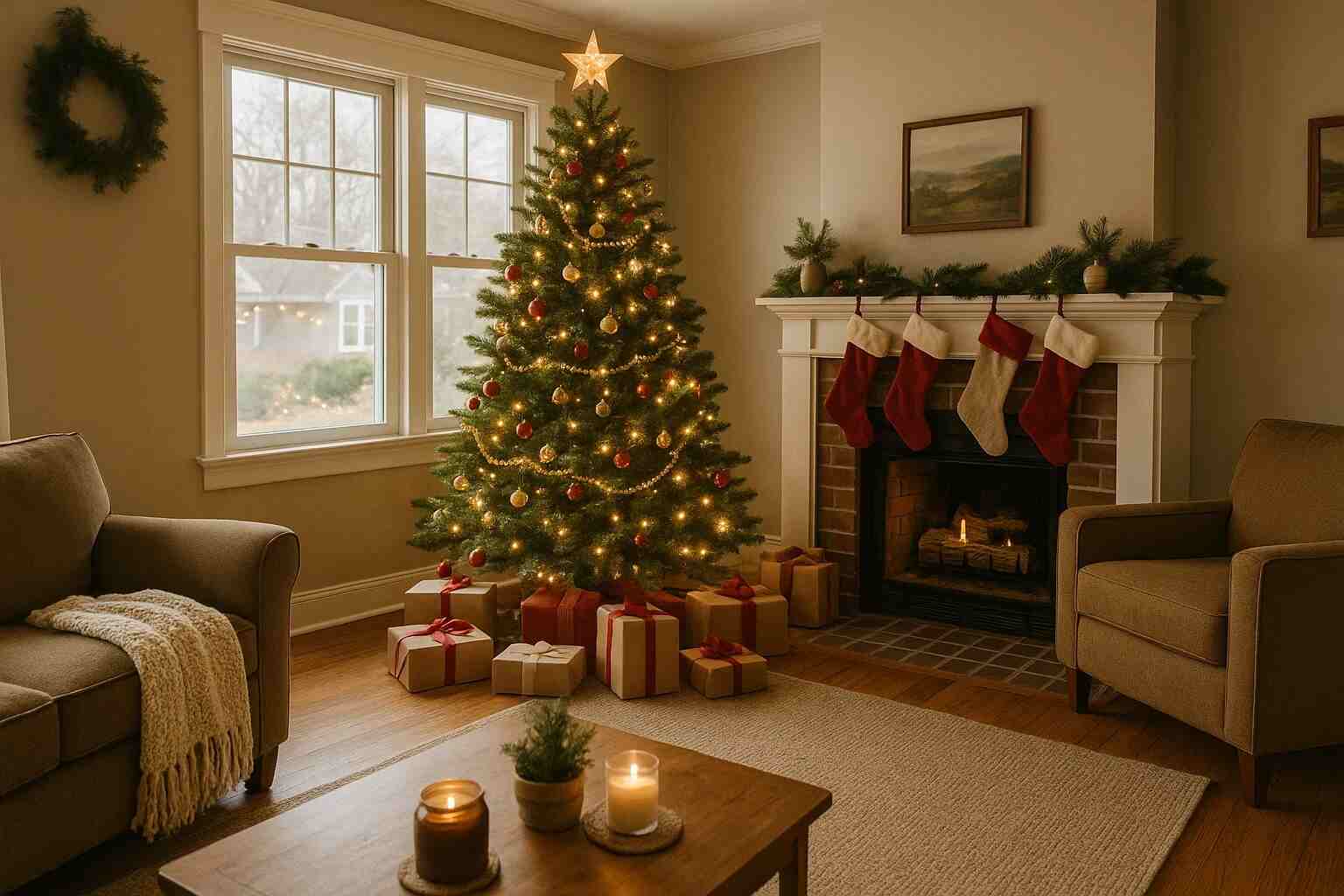
The Christmas tree is the heart of a traditional Christmas USA celebration. Originating from European customs, it became a beloved American tradition in the late 1800s. Today, decorating the tree is more than an activity—it’s a cherished family moment that signals the start of the holiday season.
Families usually choose a weekend in early December to set up their tree. Some love the scent and authenticity of a real evergreen, while others prefer the convenience of an artificial tree. Unpacking the ornaments often brings nostalgic joy, as many households collect decorations over the years—from vacation souvenirs to school crafts and personalized gifts.
Real vs. Artificial Trees
Real trees add a natural fragrance and charm but require maintenance and disposal. Artificial trees offer ease, durability, and long-term savings. The choice is often tied to tradition and personal preference.
Turning Tree Decorating Into a Ritual
Here are simple ways to make decorating meaningful:
- Play your favorite Christmas playlist or movie
- Divide the decorating tasks among family members
- Add handmade touches like popcorn garlands or painted ornaments
- End with a “tree lighting” countdown
The Christmas tree is more than a symbol of the season—it represents unity, warmth, and family memories.
Lights and Outdoor Displays: A Neighborhood Tradition
Christmas lights in America are about creativity, community, and festive spirit. Neighborhoods transform into glowing streets where families walk or drive through to admire decorations.
Some homes display elegant white lights and wreaths, while others create full-scale shows with synchronized music, inflatables, and thousands of LEDs. Many towns even host light competitions, parades, or drive-through displays.
Large cities feature iconic installations—like the Rockefeller Center Christmas Tree—turning light-viewing into a beloved holiday outing.
Outdoor lighting in the U.S. is more than decoration; it’s a community tradition that brings neighborhoods to life.
Santa, Stockings, and Christmas Morning Rituals
Santa Claus remains one of the most magical elements of a traditional Christmas USA celebration. Children write letters, visit Santa at malls, and leave cookies and milk out on Christmas Eve.
The Stockings Tradition
Families hang stockings on mantels or stair rails, filled with small gifts, candies, and surprises. Stocking opening often happens before the main presents and sets a joyful tone for the day.
Family Gift Rituals
Christmas morning traditions vary:
- Some open gifts one at a time
- Others let kids dive in all at once
- Some enjoy breakfast before opening presents
- Others save the biggest gift for last
Many families follow the “four-gift rule”—something you want, need, wear, and read—keeping gift-giving simple and meaningful.
The Christmas Feast: Traditional Foods and Regional Differences
Food is at the center of Christmas celebrations across America. While Thanksgiving is known for its feast, Christmas meals come with their own flavors.
Classic Christmas Foods
Typical dishes include:
- Roasted turkey, ham, or prime rib
- Mashed potatoes and gravy
- Stuffing and casseroles
- Dinner rolls and cranberry sauce
- Desserts like pies, cookies, gingerbread, and cakes
Regional Specialties
America’s diversity shines through Christmas cuisine:
- South: fried turkey, BBQ dishes, seafood boils
- New England: maple desserts, roasted root vegetables, chowders
- Southwest: tamales, pozole, chili-based dishes
- Midwest: casseroles, hearty meats, family recipes
The Christmas feast is a time to enjoy comfort food, celebrate, and come together as a family.
Church Services, Carols, and Community Rituals
Faith and community continue to play a major role in American Christmas celebrations. Churches host candlelight services, Midnight Mass, and holiday concerts. Some families attend on Christmas Eve; others prefer Christmas morning.
Caroling is still practiced in many towns, with groups visiting nursing homes, hospitals, and neighborhoods to spread cheer. Charity is another core part of the season—through toy drives, food drives, and volunteer programs.
Family Activities: Baking, Movies, Games, and Ugly Sweaters
Family activities bring festive joy to the season. Christmas movies—both classics and modern favorites—are watched throughout December. Baking is another beloved ritual, with families making cookies, gingerbread houses, and homemade treats.
Popular Christmas Movies
- Home Alone
- Elf
- A Christmas Story
- The Polar Express
- National Lampoon’s Christmas Vacation
Other favorite activities include:
- Ugly sweater contests
- Family game nights
- Baking competitions
- Reading “The Night Before Christmas” together
These cozy traditions often become the most treasured memories.
Regional Christmas Traditions Across America
Different regions in the U.S. celebrate Christmas in their own unique ways.
New England
- Snowy landscapes
- Hot cider and maple treats
- Classic colonial décor
The South
- Warm-weather outdoor celebrations
- BBQ holiday meals
- Large church gatherings
West Coast
- Multicultural influences
- Beach walks and city light festivals
- Fusion-style menus
These regional variations highlight the cultural richness of Christmas in the United States.
Modern and Emerging Christmas Traditions
Christmas traditions continue to evolve with modern lifestyles.
Growing trends include:
- Virtual gatherings with distant family
- Digital greeting cards
- Minimalist and sustainable décor
- Experience-based gifts (concerts, trips, workshops)
- Eco-friendly wrapping and thrifted decorations
More families are also choosing charitable activities over large gift exchanges, focusing on gratitude and connection.
Pros and Cons of Old vs. New Traditions
Benefits of Classic Traditions
- Sentimental value
- Sense of comfort and familiarity
- Connection to family heritage
Benefits of Modern Traditions
- More convenient and flexible
- Reflect today’s diverse culture
- Encourage creativity
Finding a balance helps families enjoy the best of both worlds.
How to Create a New Family Christmas Tradition
Creating a new tradition can be simple and meaningful.
Steps to Start
- Decide what the tradition should represent
- Keep it easy and repeatable
- Add a personal or unique twist
- Involve the whole family in planning
- Repeat it consistently each year
Easy Tradition Ideas
- A Christmas Eve hot chocolate bar
- A volunteer hour
- A yearly ornament exchange
Conclusion
A traditional Christmas USA celebration blends timeless customs with modern family rituals. From decorating the tree and touring neighborhood lights to enjoying regional dishes and embracing digital-age trends, Christmas in America is constantly evolving.
What truly matters is the joy, connection, and memories created along the way. Whether you keep your long-standing traditions or start new ones this year, the heart of Christmas remains the same—togetherness and celebration.
Try keeping one meaningful tradition and introducing one new idea this year. You may be surprised how quickly it becomes a favorite.
FAQ
What are common Christmas traditions in the USA?
Popular traditions include decorating a Christmas tree, hanging stockings, enjoying a holiday feast, attending church services, giving gifts, and touring light displays.
How do Christmas traditions vary across U.S. regions?
Northern states often have snowy celebrations, the South enjoys outdoor festivities, New England leans toward classic customs, and the West mixes multicultural influences.
What foods are typically served on Christmas in the U.S.?
Traditional dishes include turkey, ham, prime rib, mashed potatoes, casseroles, cookies, pies, and regional specialties like tamales or seafood.
How have Christmas traditions changed over time?
Modern changes include virtual gatherings, eco-friendly décor, minimalist gifts, and more experience-based or charitable traditions.
How can my family create a new Christmas tradition?
Choose a simple, meaningful idea—such as a lights walk or volunteer activity—and repeat it each year to make it a lasting tradition.


Leave feedback about this