

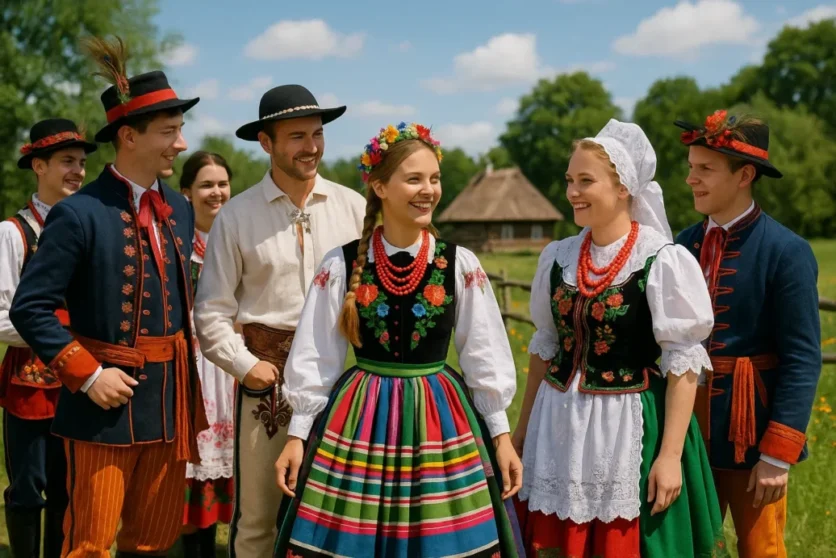
Exploring Traditional Polish Clothing: From History to Modern Ethno-Fashion
Traditional Polish Clothing: Regional Folk Costumes & Heritage
Traditional Polish clothing is a vibrant tapestry woven from centuries of history, regional pride, and artistic expression. Far more than just garments, these folk costumes, known as stroje ludowe, are a powerful symbol of Polish identity. Each stitch, color, and fabric tells a story about a specific region, social status, and the deep cultural roots of the people who wore them. This diversity is the hallmark of Polish heritage, with each area boasting its own unique style.
While these outfits were once daily wear, they continue to play a vital role in modern Poland. You can see them celebrated during national holidays, religious festivals, weddings, and folk dance performances. Moreover, their intricate designs and timeless craftsmanship are inspiring a new generation of fashion designers, bringing ethno-fashion to the forefront. This guide will take you through the rich world of traditional Polish clothing, from its historical origins to its modern-day revival.
What Is Traditional Polish Clothing?
Traditional Polish clothing refers to the folk costumes worn in various regions of Poland, primarily from the late 18th to the early 20th century. These garments were not uniform across the country; instead, they varied dramatically from one village to the next. The differences were influenced by geography, local resources, historical events, and trade routes.
These costumes were an essential part of rural life, worn for holidays, church, and significant life events like weddings and funerals. They functioned as a visual language, communicating information about a person’s home region, marital status, and social standing. A simple glance at a woman’s headdress or a man’s trousers could reveal a wealth of information.
Historical Roots & Influences
The evolution of Polish folk costumes was shaped by several factors over time. The dress of the Polish nobility, or szlachta, often influenced peasant attire. As certain fabrics and styles trickled down from the upper classes, they were adapted by rural communities using locally available materials and techniques.
European fashion trends also left their mark, with elements from Baroque and Rococo styles being incorporated into regional designs. However, it was during the partitions of Poland in the 18th and 19th centuries that folk costumes gained immense patriotic significance. In a time when the Polish state did not exist, wearing traditional clothing became an act of preserving national identity and cultural defiance.
Key Regional Costumes
Poland’s diverse geography is mirrored in its folk costumes. Here are some of the most iconic regional styles.
Łowicz (Masovian) Costume
Perhaps the most recognizable Polish folk costume, the Łowicz style is famous for its rainbow-striped wool skirts. The women’s outfit features a white embroidered blouse, a black velvet bodice adorned with intricate floral embroidery, and a vibrant, pleated skirt. The number and width of the stripes evolved, with older versions having darker, narrower bands. Married women wore elaborate bonnets, while unmarried girls wore floral wreaths with ribbons.
Kraków / Lesser Poland Costume
The Kraków costume is known for its elegance and rich ornamentation. Women wear fine white blouses with beautiful whitework embroidery, a heavily embroidered velvet bodice, and multiple layers of light, floral-patterned skirts. A delicate tulle apron is worn over the skirt, and the outfit is completed with strings of real coral beads. The most famous accessory is the bridal wreath, a stunning construction of flowers, beads, and ribbons.
Podhale Highlander (Goral) Dress
From the Tatra Mountains, the Goral costume is built for a rugged, pastoral lifestyle. Men’s attire is particularly distinctive, featuring tight-fitting white wool trousers (portki) decorated with intricate embroidery called parzenica. They also wear wide leather belts (trzosy), leather moccasins (kierpce), and a woolen cloak called a cucha. Women’s outfits include a linen blouse, a velvet corset, and a floral skirt.
Silesian / Cieszyn Costume
The Cieszyn costume from the Silesian region is known for its aristocratic grace and intricate silver filigree work. Women wear a distinctive, stiffly starched lace cap, a dark velvet bodice fastened with silver clasps and chains (hoczek), and a full skirt. The outfit showcases incredible craftsmanship, especially in the delicate lace and precious metal accessories.
Żywiec Town Costume
The Żywiec costume is another one with noble influences. Its most striking feature is the woman’s headdress—a small, gold-embroidered tulle bonnet worn over a specific hairstyle. The outfit consists of a fine batiste blouse, a velvet bodice, and multiple layers of skirts, including a top one made of damask or silk brocade. This elegant attire was worn by the town’s wealthier citizens.
Kujawy Costume
From the flatlands of the Kujawy region, this costume reflects a more agricultural lifestyle. Women wore white linen shirts, full skirts, and a signature red apron. A defining feature is the headdress, which for married women was a bonnet shaped over a wooden or wire frame. Men’s attire included long white coats (sukmana), linen shirts, and distinctive hats.
Materials & Craftsmanship
The beauty of traditional Polish clothing lies in its materials and the skill of the artisans. Common fabrics included homespun linen and wool, which were practical and durable. For more festive attire, imported materials like silk, velvet, brocade, and damask were used, often acquired at local markets.
Embroidery was the primary form of decoration, with each region developing its own unique motifs and stitching techniques. Floral patterns were common, but geometric designs also appeared, especially in the mountain regions. Other decorative arts included lace-making, appliqué, and the crafting of ornate belts and metal clasps, showcasing a high level of craftsmanship passed down through generations.
Garment Components & Accessories
Most Polish folk costumes share a set of core components, though the style of each varies.
- Shirts, Vests, and Bodices: Women’s blouses (koszula) were often decorated with embroidery on the collar, cuffs, and front. Over this, a tight-fitting vest or bodice (gorset) was worn, usually made of velvet and heavily adorned.
- Skirts and Aprons: Skirts (spódnica) ranged from the vibrant wool of Łowicz to the lightweight floral prints of Kraków. Aprons (zapaska) were often made of fine linen, tulle, or silk and were richly decorated.
- Headdresses: A woman’s headdress was her crowning glory and a clear indicator of her marital status. Unmarried girls wore floral wreaths or ribbons in their hair, while married women wore elaborate bonnets or coifs.
- Footwear: Footwear varied from sturdy leather boots to the light, molded leather moccasins (kierpce) worn by the Highlanders.
Symbolism & Social Meaning
Every element of a traditional costume was imbued with meaning. The colors, motifs, and even the way an outfit was worn conveyed information about the wearer. A costume could signal whether a person came from a wealthy or modest family, their age, and if they were single, married, or widowed.
Floral embroidery often carried symbolic weight, with certain flowers representing virtues like purity or love. The parzenica on Goral trousers, for example, evolved from a simple protective loop into a highly decorative motif that became a signature of the region’s craftsmen.
Modern Revival & Ethno-Fashion
Traditional Polish clothing is far from a relic of the past. It is a living tradition celebrated with great enthusiasm. Folk dance groups across Poland and around the world proudly wear meticulously recreated costumes. Many couples also choose to incorporate folk elements into their weddings for a touch of heritage.
Contemporary fashion designers are also drawing inspiration from this rich visual library. They are reinterpreting traditional embroidery, cuts, and fabrics to create modern “ethno-fashion.” This revival has also sparked renewed interest in traditional crafts, helping to support artisans who practice weaving, embroidery, and lace-making.
How to Buy or Make Traditional Polish Clothing
For those looking to acquire a piece of this heritage, there are several avenues.
- Artisans and Tailors: The most authentic option is to commission a costume from a skilled artisan in Poland who specializes in a particular regional style.
- Online Resources: Many folk art cooperatives and online shops sell authentic or replica costumes and accessories.
- Sourcing Materials: If you are a skilled sewer, you can find pattern books and source authentic materials like handwoven linen, wool, and embroidery floss to create your own garment.
Authentic costumes are an investment, as the cost reflects the high-quality materials and countless hours of skilled labor required.
Sustainability & Ethical Craftsmanship
Supporting the creation of traditional Polish clothing is an act of cultural preservation. By purchasing from certified artisans, you help keep ancient knowledge and skills alive. Many of these crafts rely on natural, locally sourced materials like wool and linen, making them inherently sustainable. Choosing to invest in a handmade piece over a mass-produced item supports ethical labor practices and ensures this beautiful heritage continues for future generations.
Care & Maintenance
Proper care is essential to preserve these beautiful garments. Woolen items should be aired out and only spot-cleaned or gently hand-washed in cold water when necessary. Linen becomes softer with each wash but should be ironed while damp. Embroidered pieces require special care to prevent snagging. For storage, costumes should be kept in a cool, dark, and dry place, preferably wrapped in breathable cotton or linen cloth to protect them from dust and pests.
Conclusion
Traditional Polish clothing is a powerful expression of a nation’s soul. It represents the resilience, creativity, and deep connection to place that defines Polish culture. These folk costumes are more than just historical artifacts; they are a living, breathing part of Polish heritage that continues to inspire and unite people. We can all play a part in preserving this legacy by learning about the stories woven into these fabrics and supporting the artisans who keep these traditions alive.
People Also Ask
What are the different types of traditional Polish folk costumes?
There are over 60 distinct regional folk costumes, with major styles including Łowicz, Kraków, Podhale Highlander (Goral), Silesian, Kujawy, and Żywiec. Each has unique garments, colors, and decorations.
What materials are used in traditional Polish clothing?
Common materials include locally sourced linen and wool for everyday wear. Festive costumes feature richer fabrics like velvet, silk, brocade, and damask, decorated with cotton or silk embroidery thread, beads, and ribbons.
Which Polish region has the most famous folk costume?
The Łowicz costume is arguably the most famous, known for its vibrant, rainbow-striped woolen skirts and richly embroidered bodices. The Kraków costume is also highly recognized for its elegance and peacock-feathered hats.
What are the symbolic motifs in Polish folk embroidery?
Floral motifs are very common, symbolizing nature, life, and virtues. Roosters were a popular motif in Łowicz, signifying fertility. Geometric patterns, especially in the mountains, often had pre-Christian symbolic roots.
Where can I buy authentic traditional Polish clothing?
Authentic costumes can be purchased directly from folk artisans and specialized tailors in Poland, through cultural foundations, or via online stores dedicated to Polish folk art.
How is traditional Polish clothing used in modern fashion?
Designers incorporate traditional elements like floral embroidery, woolen fabrics, and folk-inspired cuts into contemporary clothing. This “ethno-fashion” trend celebrates Polish heritage in a modern context.
What was the traditional Polish noble costume (szlachta dress)?
The szlachta dress included a żupan (a long cassock-like garment), a kontusz (an outer robe with split sleeves worn over the top), and a pas kontuszowy (a wide, decorative silk sash). This distinctive attire was a symbol of noble status.
Traditional Costume in USA: Exploring Native Regalia, Cowboy Style & Cultural Dress



Leave feedback about this