

What Drivers Must Know About EV Technology and Its Safety Implications
Electric vehicles (EVs) are becoming more common on the roads. Are you fully aware of how they work and what safety steps you need to take?
Many drivers enjoy EVs for their low emissions and smooth driving, but understanding the technology behind them is key. From battery care to charging habits, knowing the basics can prevent accidents and costly damage. In this article, we will explore what every driver should know about EV technology and its safety implications.
EV Technology Basics
Electric vehicles use batteries instead of fuel to power the car. Most EVs have lithium-ion batteries that store electricity efficiently. These vehicles also have electric motors that provide instant torque for smooth acceleration.
Drivers should know that EVs often operate differently from gas cars, with features like regenerative braking and quiet operation. Learning the technology basics helps drivers handle their EV safely and confidently on the road, reducing the risk of unexpected issues.
Key Safety Features
EVs come with modern safety features like automatic braking, collision warning, and stability control. These systems help drivers avoid accidents and improve overall vehicle safety. Some EVs also include advanced monitoring of battery health and temperature.
Using these features properly is important. For example, understanding alerts or warnings can prevent minor issues from becoming serious problems. Hybrid Car Risk Analysis shows that combining safety features with driver knowledge can significantly reduce accidents.
Battery Risks
The battery is the heart of an EV, but it comes with risks. Overheating, damage from accidents, or improper charging can lead to fires or other hazards. Drivers should learn how to spot battery issues, such as unusual smells, noises, or warning lights.
Keeping the battery in good condition and following the manufacturer’s guidelines helps prevent problems. Proper care ensures the vehicle remains safe while also extending the battery’s lifespan for long-term use.
Charging Precautions
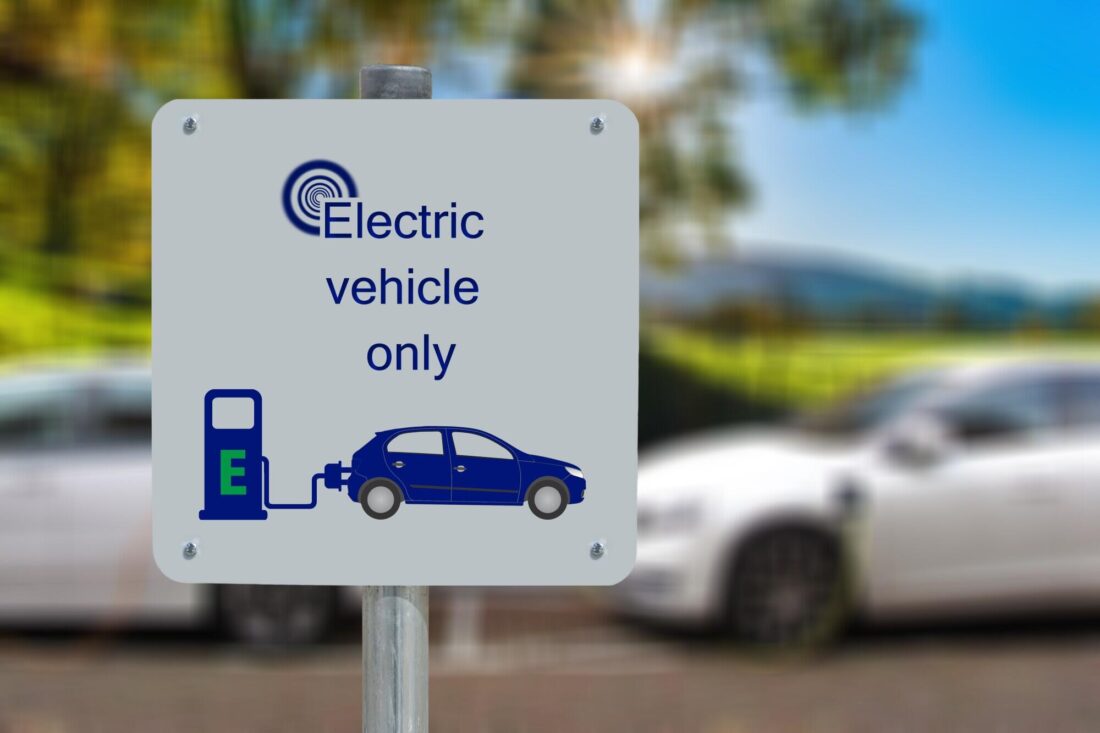
Charging an EV safely is crucial for both the driver and the vehicle. Always use approved chargers and follow the instructions carefully. Avoid charging near water or in extreme weather conditions.
Public charging stations should be used correctly, and home chargers should be installed by professionals. Regular inspection of charging cables and plugs can prevent short circuits or fires. Being careful with charging keeps you and your EV safe every day.
Staying Informed and Safe
Drivers should stay up to date on EV technology and safety recommendations. Reading manuals, following updates from manufacturers, and attending workshops can improve safety knowledge. Knowing how your EV works and what to do in emergencies is essential.
Learning about common hazards and preventive tips helps drivers avoid accidents and enjoy the benefits of electric driving. Staying informed is a key part of responsible EV ownership.
Stay Safe and Informed by Exploring and Understanding EV Technology Today
Understanding EV technology and safety is important for every driver. By learning the basics, knowing key safety features, taking care of the battery, and following proper charging precautions, you can enjoy your electric vehicle safely.
Staying informed keeps you prepared for emergencies and ensures your EV lasts longer. Taking small safety steps makes a big difference on the road. As EV use grows, knowledge becomes the best tool for a safe and smooth driving experience.
Explore more articles on our blog to learn more tips on the latest trends and technology.
Disclaimer:
This article is for informational purposes only. Electric vehicle features and safety guidelines may vary by manufacturer and model. Always refer to your vehicle’s user manual and follow the manufacturer’s recommendations. For specific safety or technical concerns, consult a qualified professional.
Also Read:
What Is a Korean Traditional Outfit? From Hanbok Parts to Modern Revival





Leave feedback about this