

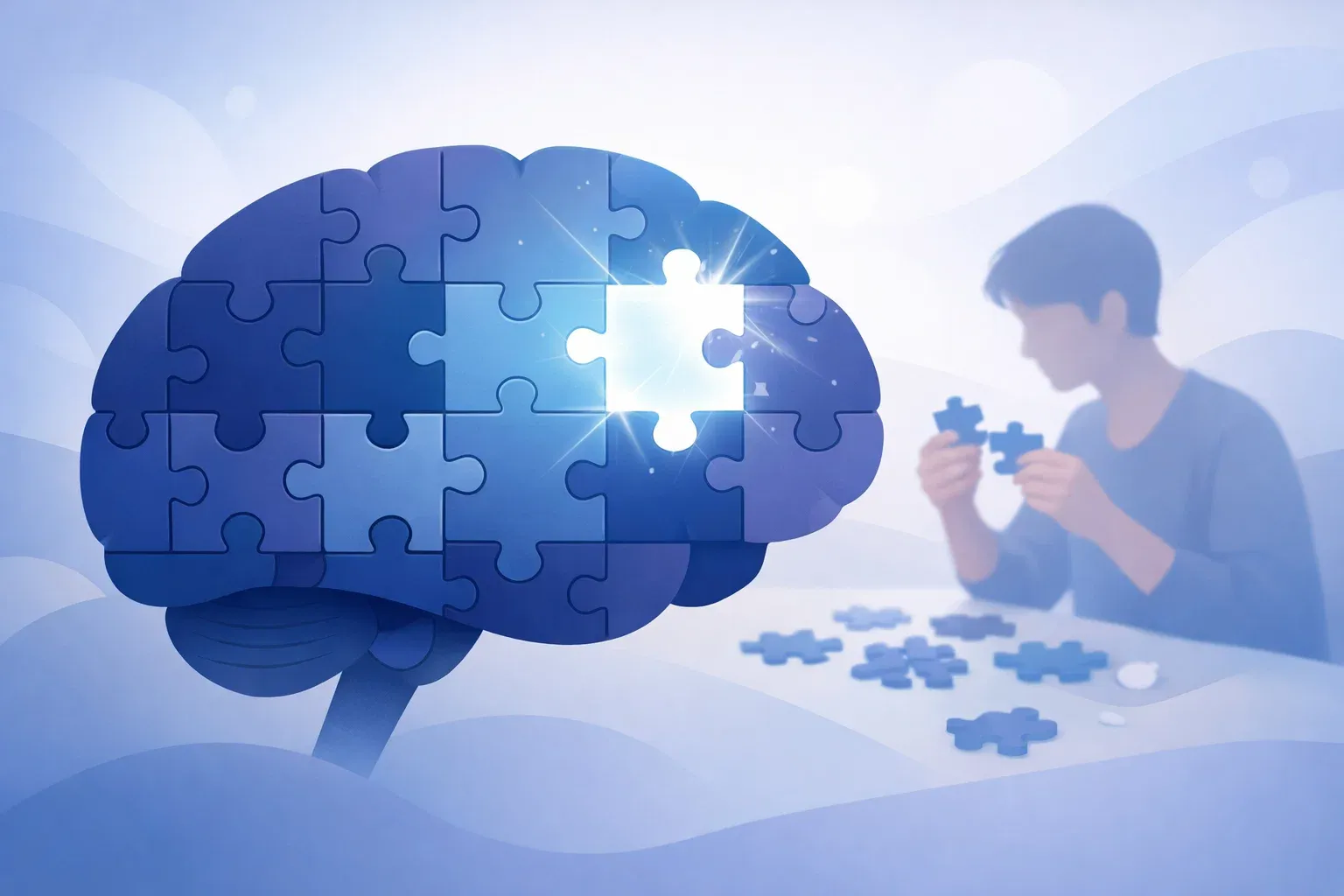
The Psychology Behind Puzzles: Why Our Brains Crave Logic Challenges
Puzzles have fascinated humans for centuries across cultures and generations, occupying a unique space between entertainment and cognitive development. From ancient riddles shared orally to complex jigsaw puzzles laid out on family tables, and from printed crosswords to modern digital brain games, puzzles consistently engage the human mind in meaningful ways. Their lasting appeal is rooted in psychology, as puzzles influence how people think, learn, and interact with the world around them.
The enjoyment of puzzles often begins well before a solution is reached. The anticipation of solving a challenge stimulates curiosity and mental focus, transforming problem-solving into a deeply satisfying experience. With the growth of digital technology, access to logic challenges has expanded through various online puzzle platforms, allowing people of all ages to engage their minds anytime and anywhere. This accessibility has further reinforced puzzles as a common tool for mental engagement, stress relief, and intellectual growth.
The psychological attraction to puzzles lies in their balance of challenge and reward. Whether solving a Sudoku, completing a crossword, or piecing together a visual puzzle, the brain becomes actively involved in identifying gaps, testing assumptions, and forming logical connections. Over time, this repeated engagement shapes cognitive habits, improves mental endurance, and contributes to emotional well-being. For many individuals, puzzle-solving becomes a consistent mental exercise that supports both relaxation and personal development.
The Brain’s Reward System and Puzzles
Solving puzzles activates the brain’s reward system, particularly through the release of dopamine, a neurotransmitter associated with pleasure, motivation, and learning. When a puzzle solution clicks into place or an “aha” moment occurs, the brain responds similarly to other rewarding experiences such as achieving goals or receiving positive feedback. This response reinforces the behavior, encouraging individuals to seek out similar challenges again.
Neuroscientific research shows that puzzle-solving engages areas of the brain linked to reward processing, decision-making, and memory formation, including the prefrontal cortex and striatum. According to the American Psychological Association, this dopamine-driven reinforcement not only enhances enjoyment but also strengthens learning pathways. Over time, this cycle can help cultivate persistence, intellectual curiosity, and problem-solving confidence—skills that extend well beyond recreational activities.
Pattern Recognition: The Joy of Finding Order
Pattern recognition is one of the most fundamental cognitive abilities humans possess, and puzzles are particularly effective at activating this skill. From an evolutionary perspective, recognizing patterns helped humans anticipate danger, locate resources, and understand their environment. Today, puzzles offer a controlled and engaging way to exercise this instinct.
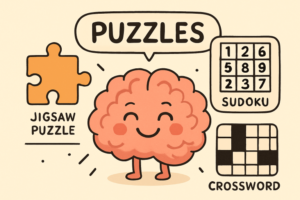
Whether identifying number sequences, solving word patterns, or assembling fragmented images, puzzles challenge the brain to impose order on complexity. This process provides a sense of clarity and accomplishment when patterns emerge. Scientific research, including discussions highlighted by Scientific American, suggests that discovering patterns satisfies the brain’s preference for structure and predictability, while also triggering positive emotional responses tied to understanding and mastery.
Achieving Flow State Through Puzzles
Many people report becoming fully absorbed while solving puzzles, losing track of time and external distractions. This mental state, known as “flow,” was defined by psychologist Mihaly Csikszentmihalyi as a condition of deep focus and engagement during an activity that balances challenge and skill.
Puzzles are particularly effective at inducing flow because they provide clear goals, immediate feedback, and progressive difficulty. When a puzzle is neither too easy nor too difficult, it keeps the mind fully engaged, promoting concentration and intrinsic motivation. Regularly experiencing flow through puzzles has been linked to improved attention control, emotional balance, and creativity in other areas of life.
Social Connection Through Collaborative Problem-Solving
Although puzzles are often associated with solitary activities, many forms of puzzling are highly social. Group-based problem-solving activities such as escape rooms, collaborative jigsaw puzzles, and shared crosswords encourage communication, teamwork, and idea exchange. These interactions help build trust and strengthen social bonds.
Collaborative puzzle-solving also promotes important interpersonal skills, including active listening, compromise, and creative thinking. Media discussions, including those featured in the New York Times, highlight how shared problem-solving experiences can enhance social connection and collective satisfaction. The shared achievement of overcoming a challenge often deepens relationships and fosters a sense of community.
Cognitive Benefits of Regular Puzzle Engagement
Consistent engagement with puzzles offers well-documented cognitive benefits across different stages of life. Research indicates that regular puzzle-solving can enhance memory, attention span, reasoning ability, and cognitive flexibility. Activities such as crosswords and logic puzzles have been associated with slower cognitive decline in older adults.
Organizations like the Alzheimer’s Association recommend mentally stimulating activities, including puzzles, as part of a broader approach to maintaining brain health. Beyond cognitive preservation, puzzles can also support emotional well-being by reducing stress, improving mood, and reinforcing a growth-oriented mindset. These benefits make puzzles a valuable tool for maintaining mental resilience and overall quality of life.
Conclusion
The enduring appeal of puzzles is deeply rooted in human psychology. By engaging the brain’s reward systems, supporting pattern recognition, encouraging flow, and fostering social interaction, puzzles provide far more than simple entertainment. They serve as accessible tools for cognitive growth, emotional balance, and meaningful connection.
Understanding the psychological foundations of puzzle-solving highlights why logic challenges continue to resonate across cultures and generations. Whether approached individually or collaboratively, puzzles offer a practical and enjoyable way to support lifelong mental well-being and unlock the brain’s full potential.





Leave feedback about this