

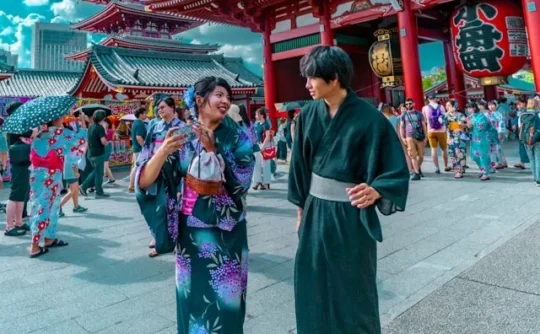
How to Wear Fashion Clothes Japan: From Kimono Basics to Tokyo Street Trends
When people talk about fashion clothes Japan, they’re referring to something far deeper than clothing trends. Japanese fashion is a living cultural language — every garment tells a story about season, social status, occasion, and personal identity. This is not accidental. For over a thousand years, the Japanese developed an extraordinary sensitivity to aesthetics rooted in concepts like wabi-sabi (beauty in imperfection), ma (the value of negative space), and mono no aware (the bittersweet awareness of impermanence). These philosophies found their way directly into the cut, colour, and construction of clothing.
Today, Japan influences global fashion on two distinct fronts: the world’s luxury houses draw from Japanese minimalism and precision tailoring, while street culture worldwide borrows from Tokyo subcultures. Understanding japanese dress styles means understanding both sides of this equation.
Core Traditional Japanese Garments Explained
The foundation of japanese clothing traditional culture rests on a set of iconic garments. Each piece evolved over centuries with distinct purposes — ceremonial, everyday, seasonal, and occupational. If you want to truly understand japanese attire, these are the pieces you must know.
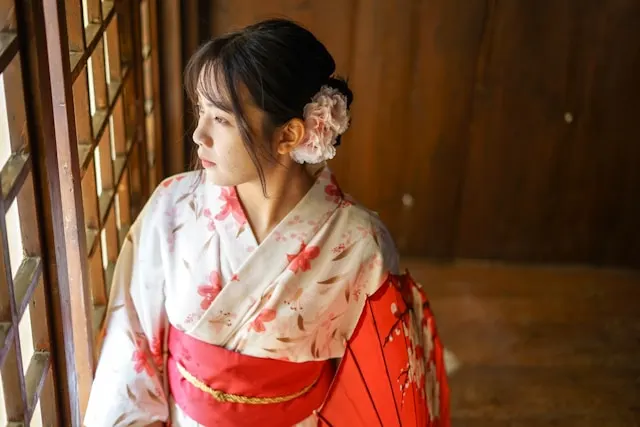
The T-shaped silk robe that defines Japanese dress. Worn for ceremonies, tea, festivals, and formal occasions. Different sleeve lengths and patterns signal age, marital status, and season.
Wide pleated trousers worn over a kimono. Associated with samurai warriors, graduation ceremonies, and martial arts practitioners including kendo and aikido.
A hip-length jacket worn open over the kimono. Originally a samurai garment, now adapted into modern streetwear and styled over jeans and hoodies.
The lightweight cotton version of the kimono. Worn during summer festivals (matsuri), fireworks displays, and at traditional ryokan inns. Much easier to put on than a full kimono.
The wide decorative belt worn around the waist of a kimono. The way an obi is tied communicates occasion, formality, and regional tradition.
Split-toe socks (tabi) and raised wooden sandals (geta) complete traditional japanese attire. Geta provide height and protect the kimono from ground dirt.
A formal kimono with extra-long swinging sleeves, worn by unmarried women at Coming-of-Age ceremonies (Seijin-shiki) and weddings. The most elaborate of all kimono types.
The most formal kimono for men, bearing family crests (kamon) printed or dyed onto the fabric. Worn for weddings, funerals, and important ceremonies.
Japanese Dress Styles: From Imperial Courts to Tokyo Streets
One of the most fascinating things about fashion japanese dress culture is how dramatically it spans the spectrum — from thousand-year-old court dress codes to tomorrow’s Harajuku trend. Here’s a breakdown of the major japanese dress styles you should know:
1. Wafuku — The Traditional Way of Dressing
Wafuku literally means “Japanese clothing” and refers to all traditional garments including kimono, hakama, haori, and yukata. These garments follow strict rules of colour, layering, and pattern that encode meaning — season, occasion, and social standing. Our article on ancient Japanese clothing and social rank explores how these codes developed over centuries.
2. Wa-Lolita — Victorian Meets Edo Period
A uniquely Japanese fusion style that combines Victorian-era petticoats and lace with traditional Japanese fabrics like yuzen-dyed silk. Wa-Lolita dresses typically feature kimono-style sleeves and obi sashes incorporated into Western silhouettes. It’s one of the most creative japanese dress styles to emerge from the Harajuku subculture scene.
3. Harajuku Fashion — Where Subcultures Live
Harajuku in Tokyo’s Shibuya ward is ground zero for Japan’s most experimental street fashion. Substyles include Decora (covered in colourful accessories), Gothic Lolita (dark Victorian aesthetics), Kogal (school uniform-inspired), and Fairy Kei (pastel soft looks). These styles break every conventional rule while maintaining an incredibly precise internal logic and community identity.
4. Techwear & Normcore — Tokyo’s Minimal Streetwear
Influenced by brands like UNIQLO, Issey Miyake, and Yohji Yamamoto, Tokyo’s mainstream street style often leans minimal. Clean lines, neutral palettes, high-function fabrics, and precise tailoring define this approach. It’s fashion clothes Japan stripped to its functional, thoughtful core — wearable philosophy rather than wearable spectacle.
5. Mori Kei — Forest Girl Aesthetic
A softer, nature-inspired style featuring layered loose clothing in earthy tones — browns, creams, forest greens. Mori Kei (“forest girl”) dresses incorporate lace, linen, wool, and vintage finds. It’s deeply influenced by the Japanese reverence for nature and the changing seasons.
Timeline: How Japanese Fashion Evolved Through History
The story of japan garments is a 1,400-year journey. Here are the pivotal moments that shaped what Japanese people wear today:
Modern Japan Fashion: What People Actually Wear in 2026
Contemporary fashion clothes Japan is a fascinating coexistence. Most Japanese people wear Western-style clothing in their daily lives — jeans, t-shirts, blazers. But traditional elements surface constantly: a yukata at a summer festival, a haori jacket layered over a casual outfit, or a carefully chosen obi-inspired belt.
Office Fashion in Japan
Japanese workplace fashion is notoriously precise. Conservative suits in navy, charcoal, and black dominate corporate environments. Even “casual Friday” in Japan tends toward structured pieces — pressed chinos, neat blazers, quality leather shoes. The concept of kuuki wo yomu (reading the atmosphere) applies to dressing; standing out too much in an office is considered disruptive. Women in offices typically wear fitted blouses, knee-length skirts, and low block heels.
Casual & Street Wear
Off duty, Japanese fashion becomes far more adventurous. Tokyo’s Shibuya, Shimokitazawa, and Nakameguro districts showcase a range of looks from carefully curated vintage pieces to designer collaborations. Building a capsule wardrobe with Japanese minimalist principles is a trend that has crossed borders globally.
Festival & Seasonal Wear
Seasons drive clothing choices in Japan with extraordinary intention. The cherry blossom season (sakura) brings out soft pinks and pastels. Summer’s Obon festivals fill streets with yukata in indigo, crimson, and floral patterns. Autumn momiji (maple) viewing calls for warm rust and gold tones. This seasonal sensitivity is a hallmark of authentic japanese attire culture that the rest of the world is only beginning to appreciate.
Traditional vs Modern Japanese Clothing: Side-by-Side Comparison
| Feature | Traditional Japanese Attire | Modern Japan Fashion |
|---|---|---|
| Key Pieces | Kimono, Hakama, Haori, Yukata, Obi | Tailored suits, Oversized hoodies, Techwear, Haori-hybrid jackets |
| Fabrics | Silk, Cotton, Hemp, Linen (natural only) | Technical synthetics, Organic cotton, Recycled fibres, Denim |
| Colour Philosophy | Seasonal colours encoded by tradition; mismatching is taboo | Monochrome minimalism OR deliberately bold clashing (streetwear) |
| Silhouette | Rectangular, layered, body-concealing | Structured minimal OR deconstructed/asymmetric (avant-garde) |
| Occasion | Ceremonies, festivals, tea ceremony, funerals, weddings | Office, street, casual, gym, global everyday wear |
| Gender Coding | Highly distinct; colour, sleeve length, and patterns differ sharply | Increasingly gender-neutral; unisex cuts are mainstream |
| Global Influence | Influenced Balenciaga, Dior, McQueen via Japanese aesthetics | UNIQLO, Comme des Garçons, Sacai, Issey Miyake lead global trends |
| Where to Buy | Kyoto’s Nishiki Market, specialist wafuku stores, vintage kimono shops | UNIQLO globally, Shibuya 109, Harajuku boutiques, Japanese online stores |
Where to Find Japanese Clothing: Traditional Stores & Online Shops
Finding authentic japanese clothing traditional store options depends on whether you’re in Japan or shopping internationally. Here’s a breakdown of the best sources for genuine japan garments:
In Japan: The Best Shopping Destinations
Kyoto’s Nishiki Market is the single best place for traditional japanese garments — you’ll find kimono fabric, obi sashes, tabi socks, and accessories from specialist vendors who have operated for generations. Gion district in Kyoto also hosts kimono rental shops where you can try a full traditional look for a day.
For modern fashion clothes Japan, Shibuya 109 in Tokyo is an eight-floor temple to Japanese youth fashion. Omotesando Hills and Daikanyama cater to the luxury and designer crowd. Shimokitazawa is Tokyo’s vintage hub — perfect for pre-loved japanese dress styles at affordable prices.
International Online Sources for Japanese Fashion
For buyers outside Japan, several reliable avenues exist. UNIQLO’s global website offers everyday Japanese minimalism with worldwide shipping. For traditional pieces, platforms like Etsy host verified Japanese vintage sellers, while Rakuten Global and Yahoo! Japan Auctions (accessible via proxy shopping services) carry enormous selections of authentic wafuku. For streetwear, brands like Bape, Sacai, Undercover, and Neighborhood ship internationally through their official stores and select stockists.
How to Style Japanese Fashion in Everyday Life (Without Looking Like a Costume)
The biggest hesitation people have when exploring fashion japanese dress styles is the fear of looking like they’re in costume rather than wearing clothes. The key is intentional incorporation rather than full cosplay. Here are practical principles:
Principle 1 — One Statement, Everything Else Quiet
If you’re wearing a haori jacket as your statement piece, keep everything else minimal — plain white tee, dark fitted trousers, clean sneakers. One traditional element is powerful; five traditional elements can look overwhelming outside of Japan. This approach honours the japanese attire philosophy of restraint.
Principle 2 — Fabric First
Japanese fashion is built on extraordinary fabric quality. A plain UNIQLO linen shirt in an earthy tone will always look more Japanese than a cheap imitation of a traditional pattern. Invest in fabric quality — this is the most authentic thing you can do to dress in the Japanese spirit.
Principle 3 — Seasonal Awareness
Traditional japanese dress styles change with the seasons deliberately. Bring this awareness to your wardrobe. Wear lighter layers in spring (sakura pinks, soft greens), deepen your palette in autumn (burgundy, mustard, burnt orange), and embrace structured wool and deep navy in winter. This seasonal consciousness is the soul of Japanese clothing philosophy.
Principle 4 — Proportion & Silhouette
Japanese fashion — both traditional and modern — is deeply invested in silhouette. The rectangular cut of the kimono; the dramatic sleeve lengths of the furisode; the wide drape of the hakama. Even in contemporary Japanese streetwear, proportions are deliberate. If you’re incorporating japanese fashion elements, think carefully about the overall shape of your outfit.
Frequently Asked Questions About Fashion Clothes Japan
Conclusion: Why Fashion Clothes Japan Deserves a Place in Every Wardrobe
Japanese fashion is not a trend. It is a tradition of seeing, thinking about, and living through clothing that stretches back over a millennium. Whether you are drawn to the serene elegance of a silk kimono, the playful rebellion of Harajuku street style, the precision of Japanese minimalist tailoring, or simply the extraordinary quality of Japanese fabrics — fashion clothes Japan offers something genuinely different from any other fashion culture on earth.
The concepts embedded in japanese dress styles — seasonality, restraint, intentionality, quality over quantity — are also among the most sustainable and thoughtful approaches to dressing that exist. In an era of fast fashion and overconsumption, the Japanese way of relating to clothing offers a meaningful alternative.
Explore more about Japan’s rich garment traditions at Internals USA: start with our guides on traditional clothing for women and traditional clothing for men, and visit our Fashion section for the latest style inspiration. Dress with intention. Dress with history. Dress Japanese.

Leave feedback about this