
6 Key Pieces in Korean Traditional Wedding Clothing
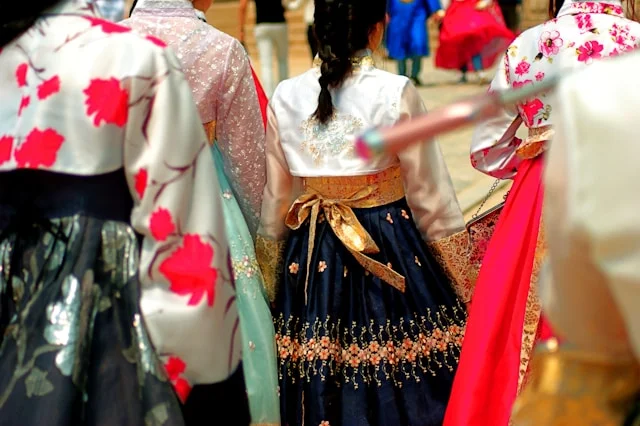
According to the National Folk Museum of Korea, the hanbok — the name for Korean traditional clothing — has been worn at ceremonial occasions for over 1,600 years, with wedding garments representing the most elaborate and symbolically loaded versions of the entire tradition. Korean traditional wedding clothing is not simply dress; it is a carefully coded system of color, fabric, and layering that communicates the social standing, regional origin, and family values of both the bride and groom on one of the most significant days of their lives.
This article covers what Korean traditional wedding clothes actually consist of, what each garment means, how the bride’s and groom’s attire differ, what role color plays in the ceremony, and how modern couples in the US and UK are incorporating traditional Korean wedding outfits — either fully or in hybrid styles. If you are planning a Korean-style ceremony, attending one, or simply want to understand what you are looking at in photos and films, this guide covers the full picture.
Most guides on this subject either give a shallow overview of the hanbok or focus entirely on the bride while leaving the groom’s attire as an afterthought. This article gives equal weight to both, explains the ceremonial logic behind specific garment choices, and addresses the practical questions Western readers actually have — like where to rent authentic pieces in the US and UK, what modern fusion versions look like, and what you should never wear to a traditional Korean wedding as a guest.
What Korean Traditional Wedding Clothing Actually Consists Of
Korean traditional wedding clothes fall under the category of hanbok, but the specific ceremonial version worn at weddings is known as hwarrot for the bride and gwanbok for the groom. These are not everyday hanbok — they are elevated, formal iterations with heavier embroidery, richer fabrics, and a very specific set of accessories that complete the look.
The bride’s ensemble centers on the hwarrot, a long overcoat-style robe in deep red or green silk, embroidered with gold thread in patterns of phoenixes, peonies, and butterflies. Beneath it she wears a jeogori — a cropped jacket — and a chima, a full-length high-waisted skirt that creates the signature silhouette of traditional Korean clothes. The layers are designed to move as a unit, giving the bride a commanding, dignified appearance when she walks.
The groom wears the samo gwanbok, a formal court-inspired outfit that includes a blue or black dopo (a wide-sleeved robe), a samo (a black gauze hat with rigid wings), and a gat or formal headpiece. His outfit is equally structured and intentional, reflecting the Joseon-era dress code that governed formal male appearance. For a more detailed look at how this translates into modern wearable options, see this guide to Korean traditional clothing for men.
The Meaning Behind Wedding Hanbok Colors
Color in Korean traditional wedding clothes is not decorative — it is communicative. The system follows the five cardinal colors of Korean cosmology, called obangsaek: red, blue, yellow, white, and black. Each represents a direction, an element, and a set of values. At weddings, red and blue are dominant because they represent the balance of yin and yang — the joining of two complementary forces.
The bride typically wears red as the base of her hwarrot because red is believed to ward off evil spirits and signal vitality and good fortune. Green is often used for her jeogori beneath the overcoat, a combination called cheongsaek jeogori hongchima — green jacket, red skirt — which is one of the most iconic pairings in all of traditional Korean outfit history. The groom wears blue, symbolizing wood, growth, and yang energy, creating a visual pairing with the bride that represents cosmic balance.
Yellow and gold accents appear throughout both ensembles in the form of embroidery and accessories. White, though central to the hanbok worn at funerals in the Joseon period, appears in wedding contexts as the underlayer or lining, representing purity and sincerity. Understanding this color logic makes the entire outfit make sense as a system rather than an aesthetic choice. For more on how these cultural signals are embedded across different hanbok styles and what they reveal about Korean culture, the symbolism runs deep into daily life as well.
Key Accessories That Complete the Bridal Look
The garments themselves tell only half the story. Korean traditional wedding clothing is completed by a specific set of accessories that vary slightly by region and era but follow consistent ceremonial logic.
- The jokduri — a small ornate crown worn by the bride, decorated with jade, coral, and silver wire flowers — sits at the front of an elaborate upswept hairstyle
- The binyeo — long decorative hairpins — are inserted through the bun to hold the style in place and add vertical elegance
- The norigae — a knotted silk pendant — hangs from the jeogori’s goreum (ribbon ties) and comes in colors and shapes that signal marital happiness
- The daenggi — long silk ribbons braided into the hair — trail down the bride’s back and are traditionally crimson
- The wonsam sleeves feature long fabric extensions called hansam that drape gracefully over the hands during the ceremony
The groom’s accessories include the samo hat, a heukrip (black lacquered horsehair hat) in some regional traditions, a jade or amber belt ornament, and white cotton socks called beoseon worn with hye — traditional shoes in black or white leather. Every element has a prescribed place. Improvising with Korean traditional wedding clothes tends to undermine the internal logic of the ensemble, which is something worth knowing if you are renting or assembling pieces separately.
Quick Note: The hwarrot worn by brides today was originally reserved for court ladies and nobility during the Joseon Dynasty (1392–1897). Over time it became the standard bridal garment for all social classes, democratizing one of the most elaborate pieces in the entire Korean textile tradition.
How Modern Couples in the US and UK Are Wearing Korean Wedding Clothes
Among Korean-American and Korean-British couples, there are three common approaches to incorporating Korean traditional wedding clothes into a ceremony held outside Korea. Each represents a different balance between tradition and practicality.
The first approach is a full paebaek ceremony — a traditional Korean post-wedding ritual held after the Western-style main ceremony, during which the couple changes into complete traditional Korean wedding attire and performs a series of bows and toasts with family members. This is by far the most common approach in diaspora communities in cities like Los Angeles, New York, London, and Manchester, and it allows couples to honor both cultural contexts without compromise.
The second approach is a fusion hanbok, where the bride wears a redesigned hwarrot that incorporates traditional embroidery and silhouette but uses lighter fabrics and a modified cut that allows more movement. Designers like Tchai Kim (UK) and Johanna Kim Couture (US) have both produced fusion Korean bridal pieces that satisfy families with strong traditional preferences while being practical for a Western venue. These pieces are not cheap — expect to pay £800–£2,000 in the UK and $1,000–$2,500 in the US for a custom-made fusion hwarrot — but they are heirloom-quality garments.
The third approach is accessory-only incorporation, where the couple wears Western attire for the ceremony but the bride adds a norigae to her bouquet ribbon or the groom wears a Korean silk pocket square in obangsaek colors. This is a lighter touch, and while it lacks the visual impact of full traditional Korean wedding clothes, it is a respectful nod for couples navigating significant cultural differences between families.
Our take: The paebaek ceremony approach is the most meaningful option for couples who want to genuinely honor Korean tradition. It does not require choosing between a Western ceremony and a Korean one — it accommodates both cleanly. Skipping it entirely and adding a norigae to a bouquet, while sweet, is a surface-level gesture that most Korean elders in attendance will recognize as minimal. If your families care about this, invest in the paebaek; if this is purely personal preference with no family expectation, the fusion approach gives you the visual impact without the logistical complexity of two full outfit changes.
Renting vs. Buying Korean Traditional Wedding Clothes Abroad
Finding authentic Korean traditional wedding clothing outside Korea requires knowing where to look. The market is not large, and quality varies enormously.
In the US, hanbok rental studios are concentrated in major cities with significant Korean populations — Los Angeles’s Koreatown, Queens in New York, and Annandale in Virginia. Rental costs for a complete bridal hwarrot ensemble typically run $150–$350 for a weekend, while groom’s sets cost $100–$250. Purchase prices for authentic, hand-embroidered pieces from Korean artisan studios start around $800 and can exceed $3,000 for court-grade reproductions.
In the UK, options are more limited. London has a small number of Korean fashion boutiques in New Malden — the largest Korean community in Europe — and some carry or can source ceremonial hanbok for rental or purchase. According to the Korea Tourism Organization, a growing number of online retailers based in Korea now ship internationally, which has made it significantly more accessible for UK buyers to order made-to-measure pieces in the $400–$1,200 range with delivery times of three to six weeks.
One honest limitation: rental hanbok in the West is not always accurate to ceremonial specifications. Some rental studios stock hanbok that is styled for Korean cultural festivals rather than weddings — the embroidery may be simplified, the fabrics synthetic, and the accessories incomplete. If authenticity matters to you, ask specifically about hwarrot versus regular ceremonial hanbok, and request photos of the full ensemble including headpiece and accessories before committing. This is worth verifying in person rather than booking online.
For context on what distinguishes authentic traditional Korean clothes from festival reproductions, the detailed breakdown in this overview of hanbok history, styles, and culture covers the fabric and construction markers that separate quality pieces from imitations.
Frequently Asked Questions
What does the bride wear at a traditional Korean wedding?
The bride wears a hwarrot — a long ceremonial overcoat in red or green silk with gold embroidery — over a jeogori jacket and chima skirt. Her hair is styled in an elaborate upswept arrangement held with binyeo hairpins and topped with a jokduri crown. Long daenggi ribbons trail down the back, and a norigae pendant hangs from the jacket ties. The full ensemble is one of the most complex and layered in any East Asian wedding tradition.
What is the difference between regular hanbok and wedding hanbok?
Regular hanbok is worn at holidays like Chuseok and Seollal and tends to feature pastel colors, lighter fabrics, and simpler construction. Wedding hanbok — particularly the hwarrot for brides and samo gwanbok for grooms — uses heavier silk, richer colors (deep red, green, blue), and significantly more embroidery. The accessories are also more elaborate: the jokduri crown, binyeo, norigae, and hansam sleeves are specific to ceremonial and bridal contexts and would not appear on everyday traditional Korean clothes.
Do Korean brides wear white at their wedding?
In a traditional Korean wedding ceremony, white is not the primary bridal color. Red and green dominate the bride’s ensemble. White does appear as an underlayer or lining fabric, symbolizing purity, but wearing white as the main color is associated with mourning in historical Korean culture. Many Korean-American and Korean-British brides wear white for a Western ceremony and then change into full red-and-green hwarrot for the paebaek, giving both traditions their proper place.
Is it disrespectful for non-Koreans to wear hanbok at a Korean wedding?
Wearing hanbok as a non-Korean guest at a Korean wedding is generally welcomed and considered respectful rather than appropriative, provided the hanbok is worn correctly and in appropriate colors. Guests should avoid red and green — the bridal colors — just as Western guests avoid wearing white. Pastel and mid-tone blues, pinks, and purples are suitable for guests. If you are unsure, ask the host family directly; most will be pleased that you asked and will guide you.
How long does it take to dress in full Korean traditional wedding clothing?
Dressing in a complete hwarrot ensemble takes 45 minutes to an hour with professional assistance, and close to two hours without it. The layering sequence matters — the jeogori and chima must be secured before the hwarrot overcoat is placed, the goreum ties must be arranged to fall correctly, and the jokduri crown must be positioned and pinned before the binyeo are inserted. Most rental studios and bridal hanbok specialists include a dressing assistant as part of the service. Grooms fare better — the samo gwanbok takes around 20 to 30 minutes to put on correctly.
What should guests wear to a traditional Korean wedding?
Guests have two options: wear Western formal attire in colors that respect the couple’s palette, or wear hanbok in guest-appropriate colors like soft pink, lavender, sky blue, or ivory. Avoid red and green as they belong to the bride, and avoid overly casual dress regardless of which option you choose. If the invitation specifies hanbok is encouraged, the host family will typically be delighted by any sincere attempt — imperfect hanbok worn with genuine respect is almost always received warmly.
Final Thoughts
Korean traditional wedding clothing is one of the most visually and symbolically rich ceremonial dress systems in the world. The hwarrot and samo gwanbok are not costumes — they are living garments that carry centuries of cosmological meaning, social history, and family values. Understanding what you are looking at, or what you are wearing, makes the experience significantly more meaningful for everyone involved.
If you are planning to incorporate Korean traditional wedding clothes into a ceremony, the clearest next step is to visit a specialist hanbok rental studio in person — not online — at least three months before your date. Inspect the quality of the embroidery, ask about the full accessory set, and clarify whether the piece is made for ceremonial or festival use. That single conversation will tell you more than any website listing.



Leave feedback about this