

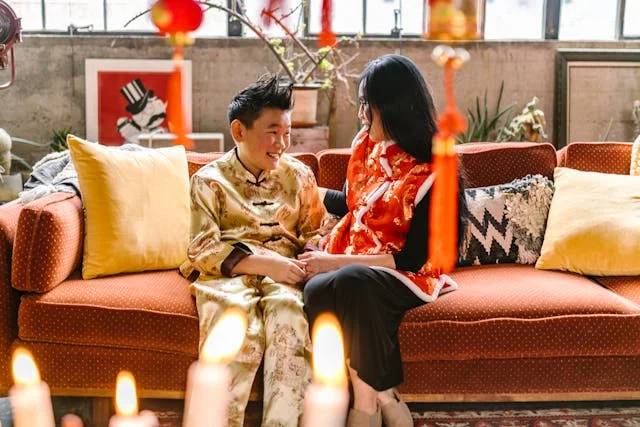
Chinese New Year Traditional Clothing: What to Wear
According to the Smithsonian Institution, the Chinese Spring Festival — better known in the West as Chinese New Year — is the largest annual human migration on earth, with hundreds of millions of people traveling home to celebrate. Clothing is not a footnote to that celebration; it is one of its defining rituals. The tradition of wearing new garments on the first day of the Lunar New Year was already documented in writing during the Northern and Southern Dynasties period, roughly 1,500 years ago.
This article covers the specific garments worn for Chinese New Year traditional clothing — from the qipao and the Tang suit to hanfu and modern fusion styles — along with the color rules that actually matter, what to avoid, and how people in the US and UK can dress authentically without overthinking it. Whether you’re attending a family reunion dinner, a community parade, or a friend’s New Year party, what you wear sends a message.
Most guides on this topic either reduce everything to “wear red” or overwhelm you with dynasty-by-dynasty historical breakdowns that don’t help you pick an outfit. This article takes a different approach: it gives you the practical information behind each garment type, explains the symbolism in plain terms, and tells you where the rules are flexible and where they genuinely matter.
The Core Garments Worn for Chinese New Year Traditional Clothing
The most recognizable piece of Chinese New Year traditional clothing for women is the qipao, also called the cheongsam. It is a form-fitting dress with a standing Mandarin collar, knotted frog buttons at the neckline, and side slits that allow for movement. Traditionally made from mulberry silk, brocade, or velvet, the qipao became the dominant formal dress for Chinese women during the early twentieth century, drawing from the Manchu women’s long gown of the Qing Dynasty. Today you’ll find versions ranging from floor-length formal gowns to knee-length modern cuts, with embroidery featuring phoenixes, peonies, and plum blossoms — all auspicious symbols tied to prosperity and renewal.
For men, the Tang suit (Tangzhuang) is the standard festive choice. Despite the name, it did not originate in the Tang Dynasty. It evolved from the Manchurian riding jacket worn during the Qing Dynasty, later adapted with elements of the Western suit. The result is a structured jacket with a high Mandarin collar, frog button closures, and a relatively straight silhouette. It is typically made from silk, satin, brocade, or jacquard and worn with matching trousers. You can read more about the full history behind these garments in our guide to traditional Chinese clothing for men.
Hanfu is a third option that has grown rapidly in popularity, particularly among younger generations. With a history stretching back over 4,000 years, hanfu is characterized by an open cross-collar, layered flowing robes, and wide sleeves. It predates both the qipao and the Tang suit by millennia and represents Han Chinese dress before the Qing Dynasty imposed different court fashion. For Chinese New Year, hanfu worn in red or gold with appropriate accessories makes a striking choice, though it is generally more elaborate to put on correctly and requires more care with accessories like headpieces and sashes.
Color Rules That Actually Govern Chinese New Year Fashion
Red is non-negotiable as the central color of the Spring Festival. The association runs deep — it connects to the legend of Nian, a mythical beast that ancient Chinese people believed could be scared away by loud noises and the color red. Wearing red is understood to attract prosperity, ward off bad luck, and signal good intentions for the year ahead. For people born in the same zodiac year as the current Lunar New Year, red carries extra weight — many will wear red undergarments every day for the entire year, not just on the festival itself.
Gold is the natural complement to red and carries its own symbolism of wealth and abundance. Pink and orange are considered festive and acceptable alternatives. Purple, though not traditional, is increasingly worn and treated as a positive color in modern celebrations. Green, specifically as a nod to spring and growth, works well in certain contexts. What you must avoid is harder and clearer: black and white are associated with mourning and death in traditional Chinese culture and are genuinely frowned upon at family gatherings and formal New Year events. This is not a loose guideline — wearing an all-black outfit to a Chinese New Year reunion dinner will be noticed and considered disrespectful by older family members.
Quick Note: The color restriction applies to the dominant color of your outfit. A red dress with black trim is fine. An all-black suit is not. Use common sense about what reads as the primary color of your look.
Yellow falls into an interesting middle ground. In ancient Chinese culture, yellow was the exclusive color of the emperor, giving it enormous symbolic power. Some traditional beliefs hold that yellow can deter evil but also displease certain gods — making it an ambiguous choice. In practice, most people in the US and UK who incorporate yellow into a New Year outfit do so without any issue; it’s a concern mainly in more religiously observant traditional households.
What Men Actually Wear: Traditional Chinese Outfit Choices Broken Down
Men have three main choices when dressing for Chinese New Year, each with a different feel and level of formality. The Tang suit is the most common and the most practical — it reads as festive and culturally specific without being theatrical. A classic Tang suit in red or burgundy brocade with gold frog buttons is appropriate for everything from family dinners to public parades. Brands like Shanghai Tang, which operates in both the US and UK markets, carry ready-to-wear versions that are well-made and reasonably priced. You can also find less expensive options on platforms like Etsy from independent Chinese fashion makers who specialize in authentic construction.
The changshan — a long Mandarin-collared robe often paired with a matching jacket — is a more formal and less commonly seen option in Western celebrations. It’s what you might see at weddings or high-end cultural events. For a deeper look at how these garments sit within the broader history of Chinese traditional clothing names and types, the history behind each piece is worth understanding before you wear one.
The third route, and increasingly the most common among men in their twenties and thirties living in the US and UK, is modern fusion: a red or burgundy blazer over a white shirt, paired with dark trousers. Adding a jade pendant or a small embroidered accessory gives a nod to Chinese fashion tradition without requiring a full traditional garment. This is practical, works in cold climates, and is entirely appropriate for most New Year events outside of formal family ceremonies.
Women’s Choices: From the Qipao to Modern Chinese Fashion
The qipao remains the most recognizable and widely worn choice for women, but the fit and fabric matter more than most guides acknowledge. A poorly fitted qipao is uncomfortable and looks wrong — the garment is meant to follow the body closely, and an off-the-rack version bought without regard for measurements will not sit correctly. If you’re purchasing one for the first time, prioritize fit over price. A well-fitted qipao in red silk at $120 will look better than a $40 version in an approximate size.
Modern cheongsam-inspired pieces have expanded the category significantly. Designers like Vivienne Tam (US) and Chi Chi London (UK) have produced contemporary pieces that borrow the Mandarin collar and frog button details of the qipao while using updated silhouettes and materials. These sit somewhere between traditional and everyday fashion and are genuinely versatile — appropriate for Chinese New Year celebrations but also wearable at other formal events throughout the year. Our detailed breakdown of traditional Chinese clothing for women covers each garment type in full, including the differences between regional qipao styles from Beijing, Shanghai, and Hong Kong.
Hanfu for women offers the most visually dramatic option and has seen a genuine revival driven by Chinese social media platforms like Xiaohongshu and Douyin, where Lunar New Year hanfu content regularly goes viral. The silhouettes vary widely depending on the dynasty being referenced — Tang Dynasty hanfu tends to feature wide sleeves and layered robes, while Song Dynasty versions are more understated. For New Year celebrations in the US or UK, a simplified hanfu set in red or gold with appropriate accessories — jade hairpins, embroidered sash — will stand out at any event and is increasingly appreciated rather than considered unusual.
The Meaning Behind Wearing New Clothes for Chinese New Year
One specific detail that most guides skip over is the tradition of wearing entirely new clothing — not just festive clothing, but clothing that has never been worn before. This custom is documented as far back as the Song Dynasty, when people would gather in brand-new clothing on New Year’s Day as a public demonstration of fresh starts and good intentions. The logic is straightforward: the Lunar New Year marks the end of the old cycle and the beginning of a new one, and wearing old or worn clothing is understood to drag the misfortunes of the previous year into the new one.
This creates a practical consideration for people in the US and UK who want to participate authentically: if you buy a qipao or Tang suit for Chinese New Year, try not to wear it before the festival. The symbolic weight of “new” is part of what the garment is communicating. For people who already own traditional Chinese clothes, a thorough cleaning before the new year serves a similar purpose — the garment is presented fresh. One thing worth knowing: even new clothes should have their tags removed before wearing them on New Year’s Day. Leaving labels in is considered a way of keeping the “old” present.
Our article on ancient Chinese clothing, dynasties, and meaning gives context for why these symbolic associations with clothing are so deeply embedded — they stretch back thousands of years across multiple dynasties, each of which placed enormous cultural weight on what people wore and when.
Our take: If you are attending a Chinese New Year celebration in the US or UK and you don’t own traditional garments, don’t buy a cheap costume version. Either invest in a real qipao or Tang suit from a specialist retailer — expect to spend $80–$150 for something that looks and feels correct — or wear modern Western formal wear in red or gold. A well-dressed person in a red blazer and black trousers will always look better than someone in a poorly constructed novelty cheongsam. The effort to dress appropriately matters; the quality of the garment matters too.
Quick Note: Ripped, torn, or visibly worn clothing is considered genuinely inauspicious for Chinese New Year — it is not a matter of aesthetics but of tradition. Avoid anything frayed or distressed regardless of how fashionable it might otherwise be.
Regional Variation and Diaspora Styles in Chinese New Year Dress
Chinese New Year traditional clothing is not uniform across regions, and this matters for people in the US and UK celebrating in multicultural communities. In southern Chinese provinces like Guangdong — the region that gave rise to most early Chinese American and Chinese British communities — qipaos and silk garments are the standard, which is why these remain the dominant styles in Western Chinatowns. Northern China, where winters are more severe, sees heavier fabrics and more layered clothing for the same festival.
Among China’s 55 officially recognized ethnic minority groups, New Year dress varies dramatically. Zhuang people in Guangxi wear intricately embroidered blouses with silver jewelry. Miao communities display elaborate silver headdresses and batik-dyed patterns. These are distinct from Han Chinese fashion and should be understood as separate traditions rather than variations of the qipao or Tang suit. If you’re attending a celebration hosted by a specific regional community, it’s worth understanding which tradition they are drawing from.
In the US, particularly in cities like San Francisco and New York, and in the UK in London’s Chinatown, the diaspora celebration has developed its own aesthetic. Fusion outfits are genuinely common and widely accepted — a cheongsam paired with a denim jacket, or a Tang suit jacket worn over modern trousers. The key principle across all these variations is the same: the effort to dress with cultural awareness and in auspicious colors communicates respect, which is what the tradition is ultimately about.
Frequently Asked Questions
What is the most traditional outfit for Chinese New Year?
The qipao (cheongsam) for women and the Tang suit (Tangzhuang) for men are the garments most associated with Chinese New Year celebrations today. Both are worn in festive colors — primarily red and gold — and made from silk, brocade, or satin. Hanfu, which predates both by thousands of years, is also considered traditional but is more commonly worn by people with a specific interest in Chinese cultural heritage or historical dress. For family gatherings and public celebrations, the qipao and Tang suit remain the most widely recognized and expected choices.
Can non-Chinese people wear a qipao for Chinese New Year?
This is genuinely debated, and the honest answer is: context matters more than background. Wearing a qipao purchased thoughtfully, fitted properly, and worn with appropriate styling at a Chinese New Year celebration is generally considered respectful appreciation rather than appropriation, particularly in multicultural cities in the US and UK. What crosses the line is wearing a costume-quality version casually or as a joke, or misusing the garment by pairing it with stereotyped accessories. The InStyle China contributing editor Leaf Greener, one of the few experts to speak specifically on this, encourages non-Chinese guests to dress up for the occasion — the problem is laziness or mockery, not genuine participation.
What colors should you avoid for Chinese New Year?
Black and white are the two colors most consistently avoided in Chinese New Year traditional clothing. Both are associated with mourning, grief, and death in traditional Chinese culture. Wearing either as the dominant color of your outfit — particularly to family gatherings or formal celebrations — is considered inauspicious and disrespectful to the spirit of the festival. This applies to all guests regardless of background. Muted grey falls into a similar category and is best avoided at formal events. Stick to red, gold, pink, orange, or green for festive occasions.
Do you have to buy new clothes for Chinese New Year?
The tradition calls for new clothes, but “new” can be interpreted with some flexibility. The core idea is arriving at the New Year without carrying the weight of the previous year into the new one — a fresh garment symbolizes a fresh start. For people who already own a qipao or Tang suit, cleaning it thoroughly before the festival and not wearing it in the days leading up to New Year serves a similar purpose. Children are typically given completely new outfits, and new pajamas on New Year’s Eve are a specific custom still observed in many households.
What should someone wear to a Chinese New Year party in the US or UK?
The practical answer is: something red, something new, and something that shows you made an effort. A red dress, a red blazer with dark trousers, or a modern qipao-inspired piece all work well. If you want to go fully traditional, a properly fitted qipao or Tang suit from a reputable retailer is the right investment. Avoid black and white as dominant colors, avoid ripped or distressed clothing, and bring modest accessories — jade jewelry, embroidered scarves, or gold-toned pieces all complement the festive aesthetic. The most important thing is to dress with intention rather than treating the celebration as a costume opportunity.
Is hanfu appropriate for Chinese New Year?
Hanfu is entirely appropriate and is growing in popularity particularly among younger celebrants who want to connect with pre-Qing Dynasty Chinese cultural heritage. The garment predates the qipao by thousands of years and has seen a significant revival in China driven by social media and a broader cultural pride movement. For New Year celebrations in the US and UK, hanfu worn in red or gold with proper accessories — sash, hairpins, appropriate layering — reads as culturally engaged and thoughtful. It does require more knowledge to wear correctly than a Tang suit or modern qipao, so doing some research before putting together a hanfu look is worthwhile.
Final Thoughts
Chinese New Year traditional clothing is not about following rules for their own sake — it is about understanding that in Chinese culture, what you wear on the first day of the Lunar New Year is understood to set the tone for everything that follows. The color, the condition of the garment, and the newness of the outfit all carry symbolic weight that goes back centuries. That context makes the choices meaningful rather than arbitrary.
If you take one thing from this article, make it this: prioritize fit and color over novelty. A well-fitted Tang suit in red brocade or a properly tailored qipao will always make a stronger statement than an elaborate but poorly constructed costume. Start with the color red, choose something new or freshly cleaned, and let the occasion guide the formality. For more context on the full range of Chinese dress traditions, our guide to Chinese traditional clothing names, types, and history is the natural next read.




Leave feedback about this