

Traditional Chinese Clothing for Women: Types & Styles
According to the Victoria and Albert Museum in London, the qipao — one of the most recognized forms of traditional Chinese clothing for women — underwent its defining transformation in 1920s Shanghai, when Westernized tailoring gave it the fitted silhouette that global audiences know today. That history alone spans centuries of change, dynastic influence, and cultural meaning packed into a single garment. Chinese women’s dress is not a static tradition; it is a living, evolving record of the country’s social and aesthetic values.
This article covers the main styles of traditional Chinese women’s clothing you should actually know — what each one is called, where it came from, how it differs from the others, and when women wear these garments today. You will also find guidance on fabric, color symbolism, and how these outfits translate into modern Western wardrobes and special occasions.
Most guides on this topic either present a quick surface-level list with no historical grounding, or go so deep into dynastic chronology that you lose the practical thread entirely. This article does neither. It gives you the specific garment names, the real cultural context behind each one, the honest trade-offs of wearing them outside of China, and concrete advice on where to find quality versions in the US and UK.
The Main Types of Traditional Chinese Clothing for Women
Chinese traditional clothing female styles are not interchangeable. Each garment type has a distinct origin, silhouette, and cultural meaning. Knowing which is which prevents the common mistake of conflating them as one generic “Chinese dress.”
The qipao (also called the cheongsam) is the most internationally recognized piece. It is a one-piece fitted dress with a high mandarin collar, side slits, and a column silhouette. The garment became the dominant form of fashionable Chinese women’s dress in the Republican era (1912–1949), particularly in Shanghai. Silk versions with intricate knotted frog buttons are considered formal; shorter cotton qipao exist as everyday wear.
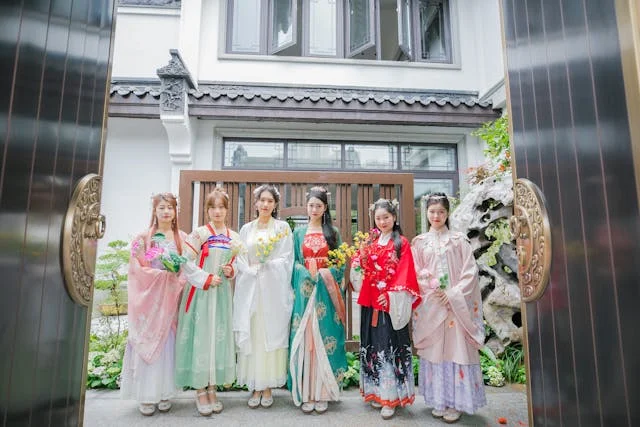
The hanfu is the broader category of Han Chinese traditional clothing that predates the qipao by over two thousand years. For women, hanfu typically consists of a cross-collar robe or layered top paired with a long skirt, and sometimes an outer robe. It is flowing, draped, and deliberately unstructured compared to the body-conscious qipao. The Hanfu Movement — a cultural revival that began gaining momentum in China in the early 2000s — has brought hanfu back into everyday wear for young women, particularly at festivals, graduations, and cultural events.
The ruqun is a specific form of women’s hanfu consisting of a blouse (ru) worn over a wrap skirt (qun). It is among the oldest documented female garments in Chinese history, with versions appearing in Tang Dynasty (618–907 CE) paintings. The ruqun’s skirt is typically worn high on the waist, creating a long-lined, elegant silhouette that has influenced contemporary Chinese fashion designers. You can read more about how these styles developed across dynasties in this overview of ancient Chinese clothing through the dynasties.
The beizi is a long open-front jacket layered over hanfu garments, popular during the Song and Ming dynasties. Less commonly worn today, it appears in historical dramas and period costumes. Finally, the aoqun — a shorter jacket paired with a pleated skirt — was the standard female outfit of the Ming Dynasty and remains a popular choice for women participating in hanfu cultural events.
Color Symbolism and Fabric in Chinese Traditional Female Dress
Color in traditional Chinese women’s clothing is never arbitrary. Red has been associated with celebration, luck, and marriage for over a thousand years, which is why traditional Chinese brides wore red rather than white. According to the Palace Museum in Beijing, imperial women of the Qing Dynasty wore specific colors tied to rank and occasion — bright yellow was reserved exclusively for the empress, while other court women wore designated shades of blue, green, and violet.
Gold embroidery signals high status and is most commonly found on formal ceremonial garments. White, by contrast, carries associations with mourning in traditional Chinese culture — a significant difference from Western dress conventions that anyone wearing or gifting these garments should understand. For weddings and celebrations, red, pink, and deep gold remain the standard choices for traditional Chinese clothes for women.
Fabric quality is a reliable indicator of garment authenticity and craftsmanship. Genuine silk — including Suzhou embroidered silk and Hangzhou woven silk — remains the premium choice for both qipao and formal hanfu. The texture is distinctly different from polyester imitations: it drapes cleanly, breathes in warm conditions, and holds embroidery patterns without distortion. For those outside China, brands like Shanghai Tang (with flagship stores in New York and London) and NE·TIGER offer certified silk qipao at the higher end of the market. Mass-market alternatives in polyester satin are widely available but produce a noticeably different look and feel.
How Traditional Chinese Women’s Clothing Is Worn Today
The idea that traditional Chinese clothing is purely ceremonial is worth challenging. Hanfu, in particular, has experienced a genuine mainstream revival among young Chinese women. According to a 2023 industry report by China Insights Consultancy, the hanfu market in China reached approximately 14.4 billion yuan in sales that year, with the majority of buyers aged 16 to 30 — a demographic using the garments for daily wear, not just costume.
In the US and UK, qipao and modern hanfu-inspired outfits appear most commonly at Chinese New Year celebrations, mid-autumn festivals, weddings, and formal dinners. The fitted qipao works particularly well as an alternative to Western evening wear — it reads as formal without being a generic gown. Several Chinese-American designers, including Vivienne Tam (who has been working in New York since the 1990s), have built careers on bringing these silhouettes into mainstream Western ready-to-wear.
For everyday styling, lighter hanfu-influenced pieces — a wide-sleeve linen top worn over wide-leg trousers, for instance — translate cleanly into contemporary Western wardrobes. The flowing silhouette of the ruqun translates particularly well when styled with modern footwear. You can find inspiration for how traditional East Asian women’s garments are being reinterpreted in current fashion by looking at how women’s fashion trends in 2026 are drawing on cultural heritage.
Quick Note: If you are shopping for a qipao outside China, sizing runs narrow through the torso. Most Chinese sizing conventions differ significantly from US and UK standard sizing — ordering one to two sizes up is a reasonable starting point, and a local tailor can adjust the side seams for a proper fit without compromising the garment’s structure.
Traditional Chinese Clothing for Women at Weddings and Ceremonies
The traditional Chinese wedding outfit for women is the xiuhe fu — a two-piece set consisting of a long embroidered robe and matching skirt, typically in deep red with gold thread embroidery depicting phoenixes, peonies, and auspicious cloud patterns. It predates the qipao as wedding wear and is experiencing a significant revival as Chinese couples opt for ceremonies that honor traditional aesthetics alongside or instead of Western white gowns.
The qipao remains a popular choice for tea ceremonies — the traditional family gathering that precedes or follows the main wedding banquet. Mothers of the bride frequently choose qipao for formal wedding events as well, which has created strong demand for tailored silk qipao in deep jewel tones.
For non-Chinese women attending Chinese weddings or cultural events in the US and UK, wearing a qipao is generally welcomed when done respectfully — meaning the garment is properly fitted, worn in an appropriate context, and not treated as a costume. Avoid red if you are a guest rather than the bride. A well-made qipao in deep blue, emerald green, or burgundy is appropriate for formal Chinese-style events. The related cultural conversation around wearing garments from other traditions is worth engaging with directly — several Chinese cultural organizations in major US cities publish clear guidance on this. For a comparison with how similar conventions apply to traditional Japanese garments, this guide to traditional Japanese clothing for women covers parallel considerations in useful detail.
Our take: When choosing a traditional Chinese outfit for a formal event, prioritize fit over decoration. A well-fitted qipao in plain silk will always look more considered than an overly embroidered piece that gaps at the collar or pulls across the hips. The garment’s structure does the work — the embroidery is secondary. If you cannot find the right size off the rack, a custom qipao from a Hong Kong or mainland Chinese tailor (many offer international mail-order services) is genuinely worth the wait and additional cost.
What to Know Before Buying Traditional Chinese Clothes for Women
The market for Chinese outfits outside China divides roughly into three categories: mass-produced polyester garments sold through fast fashion platforms, mid-range options from established Chinese brands with international shipping, and custom-tailored pieces from specialist tailors.
The first category produces garments that look noticeably cheaper in photographs and in person. The fabric reflects light differently, the frog buttons are often glued rather than knotted, and the collar construction tends to be flimsy. These are fine for theatrical costumes or single-use occasions, but they are not representative of traditional Chinese clothing at any meaningful quality level.
For genuine quality in the mid-range, Shanghai Tang — founded in Hong Kong in 1994 and now available in New York and online — consistently produces well-made qipao and Chinese-style separates in proper silk and cotton blends. In the UK, Chinese designers operating through platforms like Wolf and Badger in London have brought hanfu-influenced contemporary pieces to a broader market. Both routes offer a significant step up from generic marketplace listings.
One honest limitation worth acknowledging: authentic hanfu, particularly formal layered styles with hand-embroidery, requires time and expertise to wear correctly. The layering order, the way the cross-collar wraps, and the method of securing the wide-sleeved outer robe are not intuitive without guidance. There are active hanfu communities in major US and UK cities — particularly in cities with significant Chinese student and diaspora populations — where newcomers can get practical help. Online communities like the Hanfu Movement’s English-language forums also provide step-by-step guidance. If you want a deeper grounding in the historical context behind these garments, the full guide to Chinese traditional clothing names, types, and history goes into significantly more detail on each garment category.
| Garment | Era of Origin | Silhouette | Best Occasion Today |
|---|---|---|---|
| Qipao / Cheongsam | 1920s Shanghai | Fitted column dress | Formal events, weddings, dinners |
| Hanfu (general) | Han Dynasty onward | Flowing, layered robes | Festivals, cultural events, daily wear |
| Ruqun | Han / Tang Dynasty | High-waisted blouse and skirt | Cultural events, hanfu gatherings |
| Xiuhe Fu | Ming / Qing Dynasty | Long embroidered robe and skirt | Traditional Chinese weddings |
| Aoqun | Ming Dynasty | Short jacket with pleated skirt | Hanfu events, cultural ceremonies |
Frequently Asked Questions
What is the difference between a qipao and a cheongsam?
They refer to the same garment — the difference is regional naming. Qipao is the Mandarin term, used in mainland China and Taiwan. Cheongsam is the Cantonese pronunciation, which became the dominant term in Hong Kong and spread internationally through British colonial-era usage. In US and UK retail contexts, cheongsam is still widely used on product listings. In Chinese-language cultural writing and among younger wearers participating in the hanfu revival, qipao is increasingly preferred. Both terms describe the same fitted, high-collared dress that became iconic in 1920s Shanghai.
Is it culturally appropriate for non-Chinese women to wear a qipao?
This is a genuinely debated question, and perspectives vary among Chinese and Chinese-diaspora communities. The majority view within those communities, as expressed in numerous cultural forums and publications, is that wearing a qipao respectfully — meaning at an appropriate occasion, in a properly fitted garment, without mockery or costume framing — is acceptable and often appreciated. The controversy has tended to center on cases of clear irreverence or costuming rather than genuine engagement with the garment. If you are attending a Chinese cultural event or wedding, wearing a qipao is generally a sign of respect rather than appropriation. When in doubt, asking the host directly is always the right move.
How do I know if a hanfu is historically accurate?
Historically accurate hanfu follows the layering conventions, collar styles, and fabric combinations documented for a specific Chinese dynasty. The cross-collar (jiaoling youren) — where the left side overlaps the right — is a consistent marker of Han Chinese traditional dress, as opposed to Central Asian-influenced garments where the collar construction differs. Key visual markers include sleeve shape (wide sleeves are associated with Tang and Song dynasty styles; narrower sleeves with Ming), fabric (silk, linen, and ramie are historically correct; polyester is not), and the absence of modern closures like zippers. Chinese hanfu communities maintain detailed resources on dynastic accuracy, and the level of historical specificity among enthusiasts is significant — they distinguish not just by dynasty but by specific court versus commoner styles within each era.
What should I wear to a Chinese New Year celebration in the US or UK?
Red is the safest and most celebrated color choice for Chinese New Year. A red qipao, a hanfu-inspired red silk blouse with wide trousers, or even Western formalwear in red or gold all work well. Wearing a full traditional Chinese outfit is welcomed and appreciated at most public Chinese New Year events in the US and UK. If you are attending a family dinner rather than a public event, follow the dress code of the host’s household — some families dress formally in traditional garments, others dress casually. Avoid wearing white or black as your primary color, as both carry mourning associations in traditional Chinese contexts, even if they are perfectly standard in Western formal wear.
Where can I buy a good-quality qipao in the US or UK?
For ready-to-wear, Shanghai Tang has retail and online availability in both markets and uses proper silk in most of its garments — it is the most accessible high-quality option for buyers outside China. In the UK, independent Chinese designers operating through Wolf and Badger in London offer smaller-batch pieces with better construction than mass-market alternatives. For custom work, many Hong Kong tailors offer international mail-order services with detailed measurement instructions; this route takes longer (typically four to eight weeks) but produces a garment that fits correctly and uses authentic materials. Avoid platforms where listings show identical stock photography across dozens of sellers — these are almost always the low-quality polyester versions.
Final Thoughts
Traditional Chinese clothing for women covers a far wider range of garments, histories, and occasions than most Western audiences realize. The qipao is not the whole picture — it is one point in a continuous tradition that runs from Han Dynasty ruqun through Tang court robes to Ming aoqun to the 1920s cheongsam to today’s hanfu revival. Understanding these distinctions makes it easier to choose the right garment for the right occasion, shop more intentionally, and engage with the tradition with genuine knowledge rather than surface-level recognition.
If you are ready to take a practical next step, start with fit and fabric. Find a qipao or hanfu piece in silk or a quality cotton blend that is sized correctly for your measurements — not a rushed decision made from a generic online listing. A well-fitted piece in the right fabric will serve you at every Chinese cultural event, formal dinner, or wedding for years. For the historical background that makes these garments fully understandable, the guide to ancient Chinese clothing across the dynasties is the natural place to continue.



Leave feedback about this