

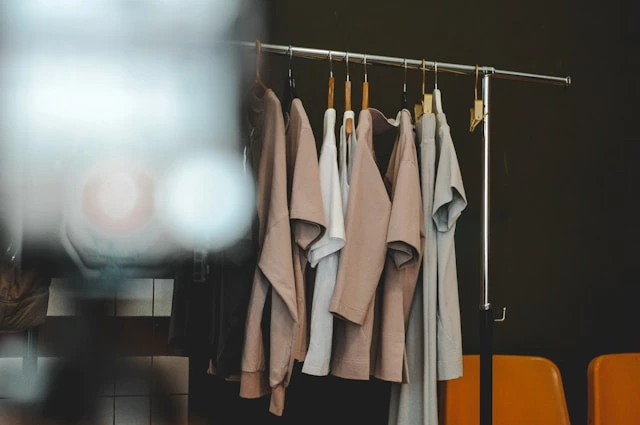
Capsule Wardrobe Essentials 2026: 12 Pieces That Actually Mix Well
Tired of staring at a closet full of clothes but feeling like you have nothing to wear? You’re not alone. In my experience working with hundreds of women on their style journeys, I’ve noticed the same pattern repeatedly: we own more clothing than ever before, yet we feel less satisfied with our options. That’s exactly why the capsule wardrobe movement isn’t just a trend—it’s a necessary shift toward intentional living.
A capsule wardrobe isn’t about deprivation; it’s about curation. In 2026, fashion is moving away from fast-fashion overwhelm toward “individualism”—selecting high-quality, tactile pieces that reflect your unique lifestyle rather than chasing every micro-trend. The goal? Owning fewer pieces that work harder, mix effortlessly, and genuinely make you feel like your best self.
What you’ll learn in this guide:
- The 12 non-negotiable capsule wardrobe essentials 2026 that every closet needs
- How to choose pieces that flatter your specific body type and lifestyle
- The 2026 color palette shifts moving beyond basic beige
- Step-by-step framework for building from scratch or editing your existing closet
- Money-saving strategies for investing in pieces that last decades
- Common mistakes that sabotage capsule wardrobe success
Whether you’re a busy professional, a minimalist at heart, or simply someone craving simplicity without sacrificing style, this guide will transform how you approach getting dressed every morning.
Quick Overview: What Is a Capsule Wardrobe in 2026?
A capsule wardrobe is a curated collection of 25-40 versatile, high-quality clothing items that can be mixed and matched to create numerous outfits. The 2026 approach emphasizes sustainable fabrics, individual expression over rigid rules, and trans-seasonal versatility. Think quality over quantity, where every piece earns its place through functionality and personal appeal.
Table of Contents
- Why Capsule Wardrobes Matter More Than Ever in 2026
- The New Rules: What’s Changed This Year
- The Essential 12: Your Foundation Pieces
- Understanding 2026 Color Palettes Beyond Beige
- Body Type Considerations for Capsule Success
- The Building Process: Step-by-Step
- Investment vs. Budget: Where to Splurge and Save
- Seasonal Transition Strategies
- Capsule Wardrobe Maintenance
- Common Mistakes to Avoid
- Pros and Cons of Capsule Wardrobes
- Frequently Asked Questions
- Final Thoughts
Why Capsule Wardrobes Matter More Than Ever in 2026
The fashion landscape has shifted dramatically. After years of ultra-fast fashion and micro-trends dominating social media, 2026 marks a return to intentionality. I’ve noticed clients aren’t just asking for style help—they’re seeking mental clarity. A cluttered closet creates decision fatigue before your day even begins.
The statistics tell the story: the average person wears only 20% of their wardrobe regularly. That means 80% of your closet space is dedicated to items creating visual noise and guilt. In my experience, when we eliminate that noise, something remarkable happens. Getting dressed becomes enjoyable again. You rediscover creativity within constraints. And surprisingly, you often look more stylish with fewer options because every piece works harmoniously.
Additionally, sustainability isn’t optional anymore—it’s expected. The 2026 capsule wardrobe emphasizes “buy less, choose well.” This means investing in pieces that last five to ten years rather than five to ten washes. The shift toward raw textures, organic materials, and small-batch production means your capsule wardrobe isn’t just good for your morning routine; it’s aligned with conscious consumption values.
The New Rules: What’s Changed This Year
Capsule wardrobes have evolved significantly from the rigid “37 pieces per season” rules of the past. The 2026 approach embraces fluidity. Here’s what’s different:
Individualism over uniformity. Previous capsule advice pushed everyone toward the same neutral basics. This year, we’re seeing bolder color choices, unique silhouettes, and personal expression. Your capsule should look like you, not a Pinterest board.
Texture is the new pattern. While previous years focused on solid colors to maximize mixing, 2026 welcomes raw denim, woven accessories, lace overlays, and tactile knits. These add interest without breaking the versatility rule.
Trans-seasonal dressing is essential. With unpredictable weather patterns and hybrid work environments, pieces must work across seasons. That heavy wool coat you wear three months a year? It’s being replaced by layered systems you wear year-round.
The “third piece” rule is back. Blazers, cardigans, and light jackets aren’t just for warmth—they’re styling tools that transform basic combinations into polished looks.
The Essential 12: Your Foundation Pieces
After analyzing countless successful capsules, I’ve identified 12 categories that form the backbone of any functional 2026 wardrobe. You don’t need exactly twelve items—some categories might include two options—but these are your non-negotiables.
The Perfect White Shirt
Not just any white shirt—the perfect one. For 2026, think slightly oversized in crisp poplin or organic cotton. The key is versatility: it should look equally polished tucked into tailored trousers for work or worn loose over jeans for weekends. Look for “Cloud Dancer” white (Pantone’s 2026 color of the year) rather than stark optical white for a softer, more flattering effect.
Raw “Brut” Denim
Dark, unwashed indigo jeans in either wide-leg or straight silhouettes are dominating 2026. Skip the distressing and rips—opt for structured authenticity. The beauty of raw denim is it molds to your body over time, becoming uniquely yours. I’ve found that mid-rise options work best for most body types, though high-waisted remains popular for those wanting waist definition.
The Modern Knit
Replace your basic crewnecks with V-neck or short-sleeved cardigans in “butter” yellow or soft neutrals. These work harder than pullovers because they layer without hiding what’s underneath. Merino wool or organic cotton blends offer trans-seasonal versatility.
The Power Suit (Deconstructed)
A matching blazer and trousers or midi-skirt set that can be worn together or separately. The 2026 suit is less corporate and more relaxed—think soft shoulders and comfortable fabrics. Wear the full set for important meetings, then pair the blazer with jeans or the trousers with a tee for casual settings.
The Bubble Hem Piece
Whether it’s a skirt or dress, the bubble hem silhouette adds playful volume to an otherwise simple outfit. This represents the 2026 shift toward shapes that feel current yet timeless. Style it with your basic knits and sneakers for instant elevation.
The Lace Layer
Grown-up lace camisoles and overlay pieces have returned, but think sophistication rather than teenagery. Layer under heavy blazers to balance delicacy with structure. This adds feminine texture without compromising the minimalist aesthetic.
The Transitional Coat
Cape coats and scarf coats are trending for winter, while trench coats remain essential for spring. The key is choosing outerwear that works as a styling element, not just weather protection. A well-cut coat pulls together even the simplest jeans-and-tee combination.
The Mid-Rise Tailored Trouser
While high-waists dominated previous years, mid-rise options are gaining favor for their leg-lengthening effects and comfortable fit. Look for relaxed, wide-leg silhouettes in wool or crepe that work with flats and heels alike.
The Leather Jacket (In Color)
Move beyond basic black. Rich chocolate brown, burgundy, or even deep olive leather jackets add warmth and sophistication. The 2026 leather jacket is softer and more bomber-style than the stiff motorcycle versions of the past.
The Sculptural Bag
Accessories matter more in minimalist wardrobes. A large, woven leather or raffia tote adds texture while carrying everything you need. For smaller options, look for unique hardware or architectural shapes that serve as conversation pieces.
The Statement Brooch
Perhaps the most surprising 2026 essential: the brooch. Use it to pin together capes, adorn denim jackets, or add interest to simple knits. This small detail personalizes your capsule and keeps it from feeling too predictable.
The Comfortable Heel
Kitten heels and block-heel mules are replacing stilettos for everyday wear. Look for styles you can actually walk 10,000 steps in. These elevate jeans instantly while remaining practical for real life.
Understanding 2026 Color Palettes Beyond Beige
The biggest evolution in capsule wardrobe essentials 2026 is the shift away from purely neutral palettes. While black, white, navy, and beige remain foundations, we’re seeing intentional color integration.
Base colors: Navy is replacing black as the primary neutral for many—it’s softer, more flattering, and less harsh. Charcoal gray and chocolate brown are equally versatile alternatives.
Accent colors: “Butter” yellow, pale blue, and avocado green are the standout 2026 shades. These feel fresh and optimistic without being overwhelming.
Texture as color: Raw denim, woven natural fibers, and leather in cognac or burgundy add visual interest that reads as color without being bright.
When building your palette, follow the 60-30-10 rule: 60% base neutrals, 30% coordinating mid-tones, and 10% pops of accent color. This ensures everything works together while preventing boredom.
Body Type Considerations for Capsule Success
One size never fits all in capsule wardrobes. What works for a petite frame differs significantly from what flatters tall or curvy figures.
For petite women: Focus on monochromatic outfits and high-waisted bottoms to elongate legs. Avoid overwhelming wide-leg pants unless paired with heels. Cropped cardigans and fitted blazers maintain proportion.
For tall women: Embrace the wide-leg trouser trend and longer coats. You can handle volume that shorter frames cannot. Midi skirts hit at the perfect spot for your proportions.
For curvy figures: Structured pieces work better than fluid fabrics. A tailored blazer defines the waist better than a cardigan. Wrap dresses and v-necks flatter better than high necklines.
For athletic builds: Create curves with bubble hems, peplum details, and belted waists. Layered looks add dimension to straighter figures.
The key is trying pieces on and being honest about what actually flatters your body, not the model’s.
The Building Process: Step-by-Step
Building a capsule wardrobe from scratch feels overwhelming, but I’ve refined this process over years of client work. Take it step by step:
Step 1: The Audit. Empty your closet completely. Try on every piece and ask: Would I wear this tomorrow? Does it work with at least three other items? Does it make me feel confident? Only keep yeses.
Step 2: Identify Gaps. Lay out what remains and look for holes. Do you have bottoms but no tops? Shoes but no bags? Note what’s missing from the Essential 12 list.
Step 3: Define Your Lifestyle. Calculate how you actually spend your time. If you work from home four days a week, you need fewer suits and more elevated loungewear. Be realistic, not aspirational.
Step 4: Choose Your Palette. Based on what you kept and what flatters you, select your three base colors and two accent colors. Everything you purchase must fit this scheme.
Step 5: Strategic Shopping. Purchase missing pieces one category at a time, starting with what you’ll wear most often. Don’t buy everything in one weekend—live with pieces to see how they integrate.
Step 6: Create Outfit Formulas. Photograph 10-15 outfit combinations that work. This creates your personal lookbook for busy mornings.
Investment vs. Budget: Where to Splurge and Save
Not every piece requires luxury pricing, but certain items warrant investment for longevity and fit.
Worth the Investment:
- Tailored blazers—fit is everything
- Leather jackets—quality leather ages beautifully
- Wool coats—cheap versions look shabby quickly
- Trousers—tailoring makes budget pairs look expensive
- Leather bags—lasts decades with proper care
Save Your Money:
- Basic white tees—replace annually due to staining
- Trend pieces like bubble hems—may not last beyond two seasons
- Summer sandals—unless you live in a warm climate year-round
- Costume jewelry—better to buy few quality pieces
The Sweet Spot:
- Denim—mid-range brands offer excellent quality
- Knitwear—merino wool doesn’t have to be designer
- Button-downs—high-street stores excel here
I’ve found that investing in construction and fit matters more than labels. A well-made $150 blazer from a contemporary brand often outperforms a poorly constructed $500 designer version.
Seasonal Transition Strategies
The most successful capsule wardrobes transition seamlessly between seasons. Rather than storing everything away each quarter, aim for 70% year-round pieces and 30% seasonal additions.
Spring/Summer additions: Lightweight linen pieces, sandals, and sun dresses
Fall/Winter additions: Heavy knits, boots, and warm coats
Layering is your best friend. That summer dress works in October with tights, boots, and a turtleneck underneath. Your spring trench handles winter when layered over a chunky knit.
Store off-season items in vacuum bags or under-bed containers, but keep them accessible enough that you can grab that one perfect piece when weather surprises you.
Capsule Wardrobe Maintenance
Creating the capsule is only half the battle—maintaining it requires discipline. I recommend the “one in, one out” rule: for every new piece you purchase, something must leave your wardrobe.
Quarterly reviews: Every three months, assess what’s working. Which pieces haven’t you touched? Why? Be ruthless about editing.
Annual deep clean: Once a year, try everything on again. Bodies change, styles evolve, and what worked last year might not serve you now.
Quality care: Invest in good hangers, shoe trees, and garment bags. Proper storage extends the life of your pieces significantly.
Shopping pauses: Implement 30-day waits for non-essential purchases. If you still want it after 30 days, it’s probably a good addition.
Common Mistakes to Avoid
Through years of helping women build capsules, I’ve seen the same pitfalls repeatedly:
Buying for a fantasy life. That formal gown when you attend one black-tie event every five years, or the sky-high heels for someone who walks everywhere. Build for your reality.
Ignoring comfort. If it’s itchy, tight, or requires constant adjustment, you won’t wear it regardless of how cute it looks. Comfort and style aren’t mutually exclusive.
Copying someone else’s capsule. Pinterest inspiration is helpful, but your lifestyle, climate, and preferences are unique. What works for a New York fashion editor won’t work for a suburban mom.
Forgetting shoes and accessories. These make or break outfits. A capsule with only one pair of shoes isn’t functional.
Being too rigid. Life changes. Your wardrobe should accommodate weight fluctuations, career shifts, and evolving taste. A capsule isn’t a prison—it’s a framework.
Pros and Cons of Capsule Wardrobes
Before committing to this lifestyle shift, understand both the benefits and challenges:
Advantages:
- Reduced decision fatigue and faster morning routines
- Financial savings through intentional purchasing
- Environmental impact through reduced consumption
- Enhanced personal style through clarity
- Easier packing and travel
- Less laundry and closet maintenance
- Increased appreciation for what you own
Disadvantages:
- Initial time investment for auditing and shopping
- Requires discipline to maintain boundaries
- May feel restrictive initially if you’re used to variety
- Upfront costs can be higher when buying quality pieces
- Requires planning for special occasions outside normal life
- Need storage space for off-season items
- Social pressure to keep up with trends requires mental strength
Comparison: 2026 Capsule vs. Traditional Wardrobe
Table
| Feature | 2026 Capsule Wardrobe | Traditional Wardrobe |
| Piece Count | 25-40 curated items | 100+ items typically |
| Shopping Frequency | Seasonal, intentional | Impulse and trend-driven |
| Cost Per Wear | Lower (items worn repeatedly) | Higher (many items rarely worn) |
| Getting Dressed Time | 5-10 minutes | 20+ minutes with decision fatigue |
| Storage Needs | Minimal closet space | Requires extensive storage |
| Environmental Impact | Sustainable, slow fashion | Often fast fashion heavy |
| Personal Style | Distinct and cohesive | Often unclear or inconsistent |
| Trend Integration | Selective, timeless approach | Follows every micro-trend |
Frequently Asked Questions
How many items should be in a 2026 capsule wardrobe?
Most successful capsules contain between 25 and 40 pieces, including shoes and outerwear but excluding underwear, workout clothes, and special occasion wear. The exact number matters less than ensuring every piece works hard. I’ve seen functional 20-piece capsules and thoughtful 50-piece collections. Start with fewer items—you can always add carefully.
How much does it cost to build a capsule wardrobe from scratch?
Expect to invest $1,500 to $3,000 for a complete, quality capsule, depending on your brand preferences. However, most people already own 30-50% of what they need. Focus spending on high-impact items like blazers and coats. You can absolutely build a capsule on a budget by thrifting, sales shopping, and prioritizing slowly.
Can I follow trends with a capsule wardrobe?
Absolutely—selectively. The 2026 approach allows for 1-2 trend pieces per season that work with your foundation. For example, if bubble hems are trending and you love the look, incorporate one bubble hem dress that works with your existing blazers and shoes. Skip trends that require entirely new supporting pieces.
How often should I update my capsule wardrobe?
A well-built capsule needs only seasonal refreshes—adding 2-3 pieces each spring/fall and removing items that no longer serve you. The core foundation (blazers, coats, quality denim) should last 5+ years with proper care. Review and edit quarterly, but resist the urge to overhaul constantly.
What if I have a very formal or very casual lifestyle?
Capsules are infinitely customizable. If you work in corporate law, your capsule will skew toward suiting and structured pieces. If you’re a stay-at-home parent, prioritize washable, comfortable fabrics that still feel polished. The principles remain the same—versatility, quality, and cohesion—regardless of your specific lifestyle demands.
How do I handle special occasions in a capsule wardrobe?
Keep a “capsule adjacent” section for special occasion wear: formal dresses, beach vacation items, ski gear. These don’t count toward your core capsule numbers but should still be cohesive with your color palette when possible. Renting for one-time events is often smarter than buying.
Can men build capsule wardrobes too?
The principles absolutely apply to menswear. The 2026 essentials shift slightly—substitute the lace layer for quality knitwear and the bubble hem for tailored chinos—but the philosophy of fewer, better pieces works universally. Many men already dress this way intuitively.
Final Thoughts
Building capsule wardrobe essentials 2026 isn’t about achieving perfection overnight—it’s about progress toward intentionality. In my experience, the women who succeed with capsules aren’t those with the biggest budgets or the most discipline; they’re the ones who get crystal clear on their personal style and lifestyle needs first.
Start where you are. Use what you have. Do what you can. Maybe that means editing down to 50 pieces this month, then 40 next season. Maybe it means identifying your three most-worn outfits and building around those silhouettes. There’s no failure here, only learning what actually serves you.
The most transformative result I’ve witnessed isn’t just streamlined closets—it’s the mental freedom that comes from removing low-stakes decisions from your morning routine. When getting dressed becomes effortless, you carry that confidence into your entire day.
Your next steps:
- Schedule your closet audit for this weekend—block two hours and commit
- Photograph three outfits you feel amazing in and identify what they have in common
- Choose your base color palette before shopping for anything new
- Practice the “one in, one out” rule starting today
- Remember: a smaller wardrobe isn’t about restriction; it’s about liberation
The best capsule wardrobe isn’t the one that looks perfect on Instagram—it’s the one that gets you out the door feeling like yourself, every single day. Here’s to less clutter and more clarity in 2026.



Leave feedback about this