

Discover Japanese Traditional Outfits — Types, How to Wear & Modern Style Ideas
Introduction
Japanese traditional outfits, known as wafuku, are a beautiful reflection of Japan’s rich culture and heritage. Unlike Western clothing, which focuses on tailoring and fitted silhouettes, wafuku emphasizes flowing lines, layers, and a harmonious blend of fabric, color, and symbolism. These outfits are not just garments—they tell stories of festivals, ceremonies, seasons, and personal identity. Wearing traditional attire connects the wearer to centuries of Japanese craftsmanship and aesthetics.
In this guide, you’ll explore the different types of traditional Japanese clothing, including kimono, yukata, hakama, and haori. We’ll cover when and how to wear them, their cultural significance, modern styling ideas, buying and renting options, and care tips for maintaining these elegant garments. By the end, you’ll have a comprehensive understanding of Japanese traditional outfits and how to incorporate them into your wardrobe with authenticity and respect.
What are Japanese Traditional Outfits?
Japanese traditional clothing, or wafuku, has been worn for centuries and reflects the country’s deep cultural heritage. These garments are designed with straight-line cutting and layered structures that allow flexibility and elegance. The colors, patterns, and materials often symbolize seasonal events, family status, or ceremonial importance. Unlike Western clothing, which is mostly fitted and shaped to the body, traditional Japanese outfits prioritize comfort, draping, and the art of folding and tying.
Wafuku is distinct from yōfuku, the Western-style clothing that became popular in Japan during the Meiji period. While yōfuku focuses on function and form, wafuku represents artistry, tradition, and ceremonial significance. Wearing a kimono or yukata today is often reserved for special occasions such as weddings, coming-of-age ceremonies, festivals, or tea ceremonies. However, elements of traditional design have found their way into modern fashion, allowing people worldwide to appreciate and wear pieces inspired by these garments.
Key Garments Explained: Kimono, Yukata, Hakama, Haori
Japanese traditional outfits come in several forms, each serving a specific purpose and occasion.
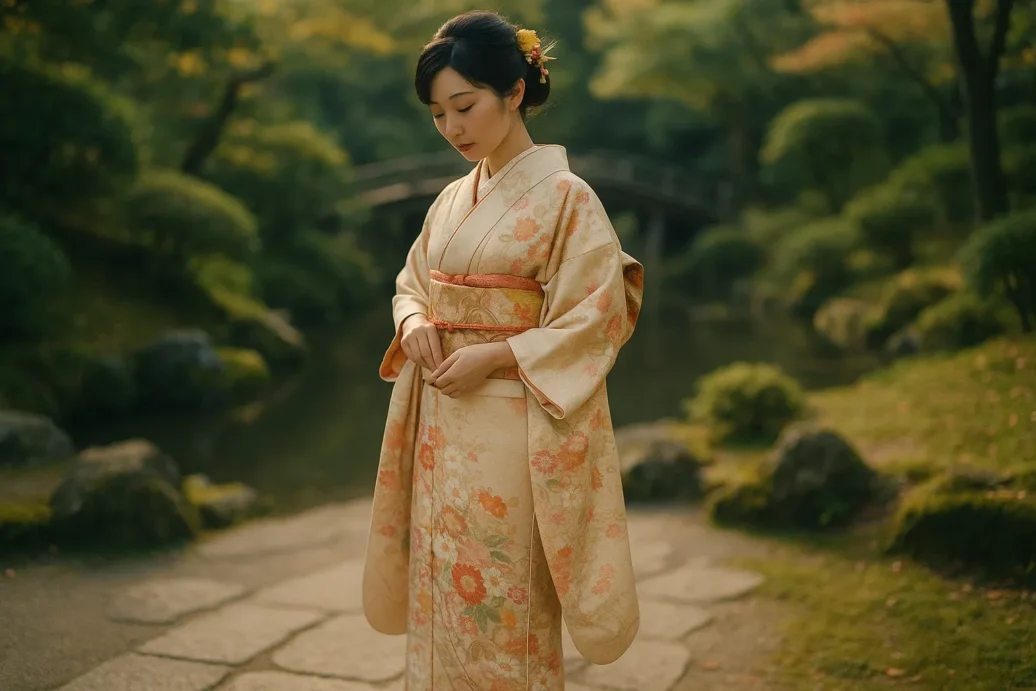
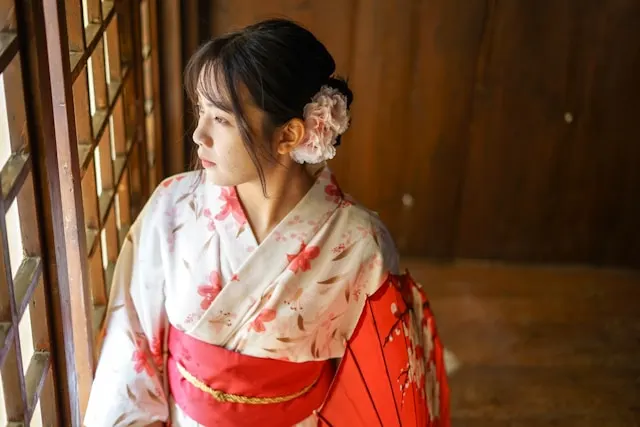
The kimono is the most recognized traditional garment. Made from silk or high-quality synthetic fabrics, it features long sleeves and an obi (wide sash) that secures the robe around the waist. Kimonos are often worn for formal events such as weddings, tea ceremonies, and seasonal celebrations. They require careful folding, layering, and tying to achieve the proper look.
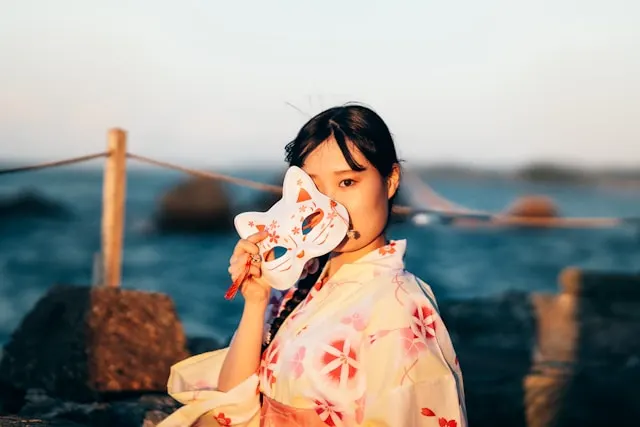
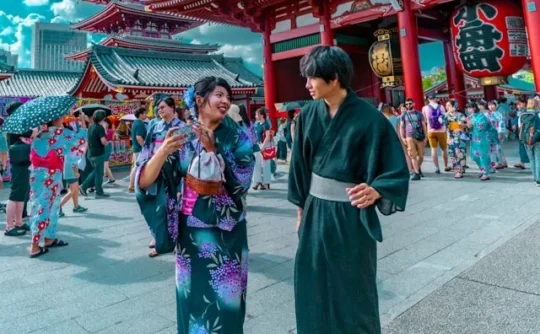
The yukata is a lightweight cotton garment, usually worn in summer for casual events and festivals. It is simpler to wear compared to a kimono and does not require multiple layers or heavy obi tying. The breathable fabric and easy-to-wear style make yukata popular for summer fireworks festivals and casual outings.
Hakama are skirt-like or divided pants that are worn over a kimono. Traditionally, samurai and scholars wore hakama, but today they are used in martial arts, graduation ceremonies, and religious events. Hakama add a formal and structured look to an outfit while allowing freedom of movement.
A haori is a traditional jacket worn over kimono or modern clothing. It adds elegance and warmth, and it has become popular in contemporary fashion as a statement layering piece. Together, these garments offer a spectrum of formality, style, and versatility for both traditional and modern occasions.
Kimono Types & Formality Levels
Kimonos come in different types, each denoting formality and social context.
Furisode are long-sleeved kimonos worn by young unmarried women, especially during coming-of-age ceremonies or festive occasions. The long sleeves symbolize youth and elegance.
Tomesode is the most formal kimono for married women, typically worn at weddings. It often features elegant patterns on a black or subdued background and signifies respect and sophistication.
Homongi is a semi-formal kimono suitable for parties, ceremonies, or visits. Both married and unmarried women can wear homongi, and its patterns often flow over the seams, giving a continuous elegant design.
Komon is a casual kimono with repeating small patterns. It is suitable for everyday wear or informal outings and is easier to manage than the more formal types.
Understanding these types helps one choose the appropriate kimono for any occasion, balancing tradition, style, and social expectations.
Yukata vs Kimono — Which Should You Choose?
Choosing between a yukata and a kimono depends on several factors: material, seasonality, ease of wearing, cost, and occasion.
Yukata is made of lightweight cotton, perfect for summer festivals or casual outdoor events. It’s affordable, easy to put on, and requires minimal accessories. Kimono, in contrast, uses silk or other premium fabrics and often comes with multiple layers, an elaborate obi, and formal accessories. While a yukata is casual and suitable for short-term wear, a kimono carries more cultural weight and is used for formal celebrations like weddings or tea ceremonies.
For beginners or travelers, starting with a yukata is practical, as it allows one to experience Japanese traditional attire without the complexity or cost of a formal kimono. Once familiar, wearing a kimono becomes a rewarding experience, providing a deeper connection to Japanese culture and tradition.
How to Wear a Kimono: Step-by-Step
Wearing a kimono requires care and attention to detail. First, put on a lightweight undergarment to protect the kimono from sweat. Next, wear the nagajuban, a thin robe worn underneath, and adjust the collars properly. Place the kimono over the nagajuban, ensuring the left side wraps over the right (the reverse is only used for funerals).
Secure the garment with a koshi-himo, a thin belt, and fold any excess fabric neatly. Wrap the obi around the waist, tying it securely in a decorative knot. Add optional accessories such as obi-jime (cord) or obi-age (sash cover) to complete the look.
Common mistakes include wearing the collar incorrectly, uneven hems, or a loosely tied obi. Beginners should practice in front of a mirror or seek help from tutorials or kimono rental shops that offer guidance.
Accessories & Footwear: Obi, Geta, Zōri, and More
Accessories enhance the formality and visual appeal of Japanese traditional outfits. The obi is a wide, decorative belt that defines the waistline and adds structure. Geta, traditional wooden sandals, are typically paired with yukata, while zōri, more formal flat sandals, accompany kimono. Tabi socks, white split-toe socks, are essential for wearing traditional footwear correctly.
For women, kanzashi hair accessories add elegance and complement seasonal or festive motifs. Proper selection of accessories ensures that the outfit looks cohesive and maintains its cultural significance. The right combination of footwear and accessories can dramatically elevate the overall appearance of traditional attire.
Where to Buy & How Much to Expect (US / UK / Online / Japan)
Prices for Japanese traditional outfits vary widely. Yukata typically costs $30–$80, making them accessible for casual wear. Casual or semi-formal kimono range from $150 to $500, while high-quality silk formal kimonos can exceed $800.
In the US and UK, traditional outfits can be purchased online via specialized shops, Etsy sellers, or Japanese fashion retailers. In Japan, Kyoto and Tokyo offer a range of shops from department stores to secondhand kimono outlets. Renting is a convenient alternative, especially for tourists or occasional events, and provides access to professional styling and photography services. Comparing rental versus purchase allows one to balance cost, convenience, and authenticity.
Care, Storage & Cleaning of Traditional Clothing
Proper care ensures the longevity of traditional outfits. Silk kimonos should be folded carefully and stored in protective tatoshi paper to prevent damage from sunlight or humidity. Cotton yukata can be hand-washed and air-dried, while high-end fabrics require professional dry cleaning.
Avoid machine washing silk or delicate patterns. Use cedar blocks or sachets to protect against moths. For readers in climates like the US or UK, managing moisture and temperature is critical. Regular inspections, proper folding, and gentle cleaning practices preserve the vibrant colors and intricate designs of these garments.
Etiquette & Cultural Notes: Wearing Respectfully
When wearing Japanese traditional outfits, cultural etiquette matters. The kimono should always be wrapped left over right, except for funerals, which use the reverse. Furisode is for young unmarried women, while tomesode suits married women.
It’s important to approach wearing traditional clothing with respect, especially outside Japan or at cultural events. Wearing kimono as a costume can be disrespectful, whereas understanding its significance and pairing it with appropriate behavior shows appreciation. Paying attention to modesty, posture, and context ensures an authentic and respectful experience.
Styling Traditional Outfits for Modern Life
Modern fashion has embraced elements of Japanese traditional attire. Haori jackets can be paired with jeans or dresses to create elegant casual looks. Kimono-inspired robes and wraps can be layered over Western clothing to produce a fusion of style. Designers often use traditional fabrics in contemporary silhouettes, making it possible to incorporate heritage clothing into everyday wardrobes.
These styling approaches allow individuals to enjoy the beauty of wafuku without attending a formal event, offering versatility for casual occasions, fashion photoshoots, and personal expression.
Pros & Cons of Wearing Japanese Traditional Outfits
Pros:
Japanese traditional outfits are timeless and elegant, reflecting cultural heritage. They are perfect for celebrations, festivals, photoshoots, and formal events. Versatile pieces like haori or casual kimono can be integrated into modern wardrobes, offering a unique fashion statement.
Cons:
Kimonos can be expensive and difficult to wear for beginners. Silk garments require careful maintenance, and layering multiple pieces can be cumbersome. Wearing traditional attire daily may be impractical. Choosing simpler garments like yukata or modern-inspired designs can help mitigate these challenges, making traditional clothing more accessible.
Where to Try On / Rent or Buy — Practical Options
Tourists and enthusiasts can rent traditional outfits in Japan, particularly in Kyoto and Tokyo, where rental shops offer complete packages including kimono, obi, footwear, and hairstyling. Online rental platforms also exist for international users, though availability may vary.
When renting or buying, check the garment’s authenticity, condition, size, and return policy. Renting allows people to experience traditional attire without long-term commitment, while purchasing provides ownership and flexibility for repeated use. Combining rental and purchase strategies can provide the best experience depending on the occasion and budget.
Conclusion
Japanese traditional outfits embody centuries of history, artistry, and cultural identity. From the elaborate long sleeves of a furisode kimono to the lightweight simplicity of a summer yukata, each garment tells a story about Japan’s people, traditions, and seasons. Wearing these outfits today is not just about fashion—it’s about respect, appreciation, and personal connection to heritage.
By understanding the types, formality levels, and etiquette associated with kimono, yukata, hakama, and haori, individuals can enjoy these garments appropriately, whether attending a festival, ceremony, or photoshoot. Modern fashion adaptations allow elements of traditional clothing to be incorporated into everyday style, making these timeless pieces versatile and relevant.
Care, storage, and thoughtful accessorizing ensure longevity and preserve the cultural significance of each outfit. Whether buying, renting, or styling traditional clothing, the goal is to celebrate Japanese culture while embracing personal expression. Exploring and wearing Japanese traditional outfits offers a unique opportunity to experience elegance, history, and artistry in every fold, pattern, and accessory.
FAQ
What is the difference between a kimono and a yukata?
A kimono is more formal, made of silk or high-quality fabric, often layered, and worn for weddings, tea ceremonies, and special occasions. A yukata is lightweight, usually cotton, casual, and perfect for summer festivals or informal outings.
When is it appropriate to wear a kimono vs hakama or yukata?
Kimono is for formal events like weddings or coming-of-age ceremonies. Hakama is worn over kimono for graduations, martial arts, or religious events. Yukata is ideal for casual summer festivals, fireworks, or everyday leisure during warm months.
How do you put on a kimono (basic steps)?
First, wear undergarments and a nagajuban robe. Wrap the kimono left over right, secure with a koshi-himo, fold excess fabric neatly, and tie the obi around the waist. Add accessories like obi-jime for decoration.
What types of kimono exist and what do their names mean?
Furisode: long sleeves for young unmarried women. Tomesode: formal kimono for married women. Homongi: semi-formal for parties or ceremonies. Komon: casual everyday kimono with repeating patterns.
How much does a kimono cost and where can you buy one (especially outside Japan)?
Yukata costs $30–$80, casual kimono $150–$500, and silk formal kimono $800+. Outside Japan, they are available on online shops, Etsy, or Japanese specialty retailers.
Can non-Japanese people wear kimono — any etiquette or cultural considerations?
Yes, non-Japanese can wear kimono, but they should respect the cultural context. Avoid wearing it as a costume, learn proper wearing etiquette, wrap left over right, and use appropriate accessories to honor the tradition.

Leave feedback about this