
Gold Hair Clips: Types, Sizes, and Finishes Compared
According to the National Retail Federation, hair accessories ranked among the fastest-growing categories in the US fashion accessories market through 2025, with metallic finishes driving much of that growth. Gold hair clips sit at the center of that shift, moving from a once-a-year occasion item into something people reach for on an ordinary Tuesday.
This article walks through the different styles of gold hair clips, how to pick the right size and finish for your hair type, and how to style them whether your hair is thin, thick, curly, or straight. It also breaks down pricing by budget, explains the difference between gold-tone and real gold pieces, and covers basic care so your clips do not tarnish after a few wears.
Most buying guides on this topic repeat the same five generic clip types and stop there. This one goes further by addressing how clip mechanisms actually behave on different hair textures, what “gold-tone” really means on a product label, and which budget tier gives you the best balance of durability and looks.
Types of Gold Hair Clips Explained
Walk into any accessories aisle and the sheer number of gold hair clip styles can be overwhelming. The claw clip is probably the most recognizable — a hinged, jaw-like design that grips a section of hair and holds it in place through tension. Claw clips work well for medium to thick hair and come in sizes ranging from small (good for face-framing pieces) to oversized (built for a full updo).
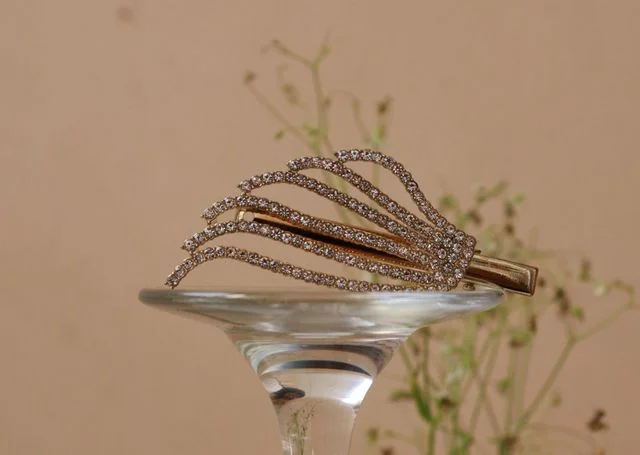
Barrettes are the flatter, often more decorative cousin of the claw clip. A barrette typically uses a spring-loaded clasp or a simple slide mechanism, and because the design sits closer to the head, it tends to show off engraving, filigree, or stone details better than a claw clip does. If you are choosing between claw clip vs barrette for a finer hair type, barrettes generally hold less bulk but show more of the actual hardware, which matters if the gold finish is the main appeal.
Then there are banana clips, which curve to follow the shape of a ponytail or low bun, and snap clips, which are small, often used in multiples, and better suited to securing flyaways or creating a half-up style. Octopus clips — a slightly more aggressive version of the claw — are popular for thick or coarse hair because the extra grip points distribute tension more evenly and reduce breakage at the root.
For anyone shopping golden hair clips for the first time, it helps to think about the occasion first. A small gold snap clip set works for daily wear and layering into a hairstyle. A large gold claw clip or banana clip is more of a statement piece, the kind you would wear with a simple outfit and let it do the talking.
How to Choose the Right Size and Finish
Size matters more than most people expect when shopping for gold clips for hair. A clip that looks proportionate in a product photo can feel oversized or flimsy once it is actually holding your hair. As a rough guide, claw clips under 3 inches work best for thin to medium hair or for smaller sections like a half-up style. Clips between 3 and 4.5 inches are the most versatile size for medium to thick hair, and anything above 4.5 inches is generally reserved for very thick or long hair, or for a deliberate oversized look.
Finish is the other major decision point, and this is where a lot of buying guides get vague. Gold finishes generally fall into a few categories: gold-plated metal, gold-tone (sometimes called “gold electroplate” or simply painted brass), and solid gold-colored acrylic or resin. Gold-plated pieces tend to hold their color longest because there is an actual layer of gold bonded to the base metal. Gold-tone pieces are usually a thin coating or paint finish over brass, zinc alloy, or plastic, and they can show wear — especially at contact points — after a few months of regular use.
If you are comparing hair clips gold options online, check the product description for the word “plated” specifically. Listings that just say “gold” or “gold-colored” without specifying the base material or plating process are almost always the lower-durability option, even if the price suggests otherwise.
Quick Note: Matte gold finishes tend to hide scratches and fingerprints better than high-shine or mirror-polished gold, which makes them a practical choice for clips you plan to wear daily.
Styling Tips by Hair Type
The same gold hair clip can look completely different depending on your hair type, and the mechanism that works beautifully on one texture can slip right out of another.
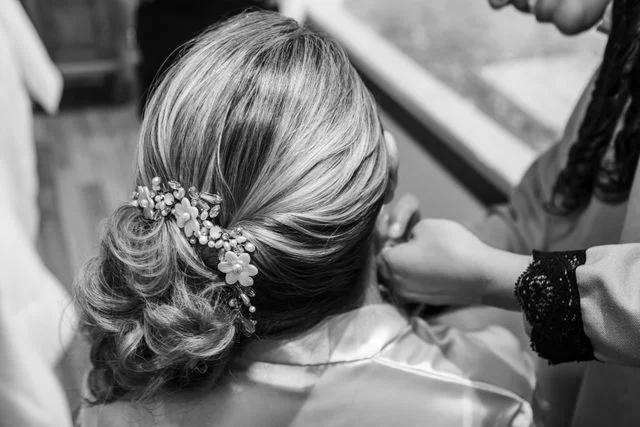
For fine or thin hair, smaller claw clips and snap clips tend to perform better than large, heavy pieces, which can pull hair down and create a flat look at the crown. Twisting small sections before clipping adds texture for the clip to grip onto, which reduces slipping. This is one of the most searched topics under best hair accessories for fine hair, and the twist-first technique solves the most common complaint — clips falling out within an hour.
Thick hair generally benefits from larger claw clips or octopus clips, since the extra hinge points and wider jaw spread the tension across more hair, which reduces the visible “dent” some clips leave behind. A half-up style with a 4 to 5 inch gold claw clip is one of the most reliable looks for thick hair, holding through a full day without re-clipping.
Curly hair tends to do best with clips that have a textured or rubberized grip on the inside of the jaw, since smooth metal jaws can slide right off curl patterns. Gathering curls loosely rather than smoothing them before clipping also helps the clip sit more securely and avoids flattening the curl pattern at the crown.
Straight hair is the most forgiving texture for gold hair clips generally, but it is also where clips slip out most easily because there is less natural texture for the clip to grip. A light texturizing spray or dry shampoo applied before clipping gives straight hair just enough grip for the clip to hold through the day.
For more general accessory pairing ideas beyond clips, this guide to building a stylish accessory wardrobe covers how to layer hair pieces with jewelry without things looking cluttered.
Best Gold Hair Clips by Budget
Pricing in this category varies enormously, and the jump in quality is not always proportional to the jump in price. Here is a general breakdown of what to expect at each tier.
| Budget Range | Typical Materials | What You Get |
|---|---|---|
| Under $10 | Painted brass, plastic/acrylic, basic gold-tone coating | Decent for occasional wear; coating may wear at contact points within 1-3 months |
| $10 – $25 | Gold-plated brass or zinc alloy, sturdier hinges | Better hold, more consistent color retention, suitable for regular wear |
| Premium ($25+) | Gold-plated stainless steel, designer hardware, sometimes 14k gold-filled | Long-term color stability, stronger springs, often comes with better packaging for gifting |
Brands worth checking at different price points include Lulus and France Luxe (US) for accessible mid-range pieces, and Anthropologie’s in-house accessory line (UK and US) for designer-leaning options with more unusual finishes. At the premium end, names like Jennifer Behr show up frequently in editorial coverage for their hand-finished gold-plated clips, though they sit well above the $25 threshold.
Our take: spending more does not automatically buy you a better grip — it mostly buys you better color retention and a sturdier spring mechanism over time. If you wear hair clips daily, a $15-20 gold-plated claw clip from a mid-range brand will usually outlast three or four $5 gold-tone clips, both in how it looks and how it holds. If you only wear clips occasionally for special occasions, the under-$10 tier is genuinely fine, since the coating has less time to wear down between uses.
Gold-Tone vs Real Gold — What to Know Before Buying
“Real gold” hair clips are rare, and when they exist, they are usually gold-filled rather than solid gold, since solid gold is too soft and heavy for a functional clip mechanism. Gold-filled means a layer of actual gold — measured in karats — is bonded to a base metal core under heat and pressure, creating a much thicker and more durable layer than electroplating.
Gold-tone, by contrast, is a cosmetic finish. It can be applied through electroplating (a thin layer of gold or gold alloy deposited via electrical current), PVD coating (a more durable vacuum-deposited finish increasingly used by mid-range brands), or simple paint or lacquer over a base metal or plastic shell.
For most people shopping for gold color hair clips, gold-tone is the practical choice, and there is nothing wrong with that — most fashion jewelry and accessories operate this way. The trade-off is mainly about longevity and how the piece reacts to moisture, sweat, and friction from hair products. PVD-coated pieces tend to outlast electroplated or painted ones by a wide margin, and it is becoming more common for brands to list “PVD” in product descriptions specifically because shoppers are starting to look for it.
One trade-off worth being upfront about: even the best gold-tone finish will eventually show wear at the hinge and contact points, usually faster than people expect if the clip is worn daily and exposed to hairspray, dry shampoo, or saltwater. If color permanence matters more to you than price, gold-filled or solid stainless steel with a PVD gold finish are the two categories to search for specifically — both will resist the typical wear pattern far longer than standard gold-tone.
How to Care for and Maintain Gold Hair Clips
Basic care extends the life of any gold hair clip regardless of finish, and most of it comes down to limiting exposure to moisture and chemical products.
- Remove clips before applying hairspray, dry shampoo, or styling oils directly to the area where the clip will sit, since these products accelerate coating wear and can leave a dull film on metal finishes.
- Wipe clips with a soft, dry cloth after wear to remove oils and product residue that build up over the day.
- Store clips separately rather than tossed loose in a drawer, since metal-on-metal contact causes scratching that exposes the base material underneath gold-tone coatings.
- Avoid wearing gold-tone clips in the shower, pool, or ocean — chlorine and saltwater are two of the fastest ways to strip a plated or coated finish.
- If a clip starts to look dull, a small amount of jewelry polishing cloth (the kind sold for gold-plated jewelry) can restore some shine without stripping the coating, unlike liquid jewelry cleaners which can be too harsh for thin platings.
If you are also investing in styling tools that interact with your hair near where clips sit, it is worth checking how heat tools affect metal accessories — this review of the Shark hair dryer covers heat settings that are gentler on both hair and any metal pieces left in place during drying.
Frequently Asked Questions
Are gold hair clips good for thin hair?
Yes, but size and weight matter more for thin hair than for any other texture. Smaller claw clips (under 3 inches) or lightweight snap clips work best, since larger or heavier clips can pull hair down and create a flat, weighed-down look at the crown. Twisting the section of hair before clipping also gives the clip more to grip onto, which helps thin hair specifically.
What is the difference between a claw clip and a barrette?
A claw clip uses a hinged, jaw-like mechanism that grips hair through tension and sits more loosely on the head, making it better for buns, ponytails, and updos. A barrette uses a slide or spring clasp and sits flatter against the head, which makes it better for showing off decorative details and works well for face-framing pieces or securing a section without much bulk.
Do gold hair clips tarnish?
Gold-tone and gold-plated clips can lose their color over time, particularly at points where the clip flexes or makes repeated contact with hair products. Gold-filled or PVD-coated pieces resist this far longer than electroplated or painted finishes. Removing clips before applying hairspray or oils, and storing them separately from other metal items, slows this process significantly.
Is it worth buying expensive gold hair clips?
It depends on how often you wear them. For daily use, a mid-range gold-plated or PVD-coated clip in the $10-25 range usually holds its color and spring tension far longer than a $5 gold-tone clip, making it the better value over a year of regular wear. For occasional or special-occasion use, the under-$10 tier is perfectly reasonable, since the coating has less time to degrade between uses.
What size gold claw clip should I buy?
For thin to medium hair, look for claw clips between 2 and 3.5 inches. For thick or long hair, clips between 4 and 5 inches distribute tension better and hold more securely through a full day. Oversized clips above 5 inches are generally a styling choice for an updo rather than a practical everyday option for most hair types.
Can you wear gold hair clips every day?
Yes, and many people do, but daily wear is exactly where finish quality matters most. A gold-plated or PVD-coated clip will hold up to daily handling, hair products, and friction far better than a painted or thin electroplated finish, which can start showing wear within a few weeks of constant use.
Final Thoughts
The single biggest factor in whether a set of gold hair clips ends up in regular rotation or in the back of a drawer within a month comes down to matching the clip’s size and grip mechanism to your actual hair type — not the finish, and not the price. A beautiful clip that slips out within an hour gets used once and forgotten.
Start by identifying your hair type and the section size you typically clip — thin hair with a small twisted section, thick hair with a larger gathered section — then shop within the size range and finish tier that matches both your hair and how often you plan to wear the piece.



Leave feedback about this