

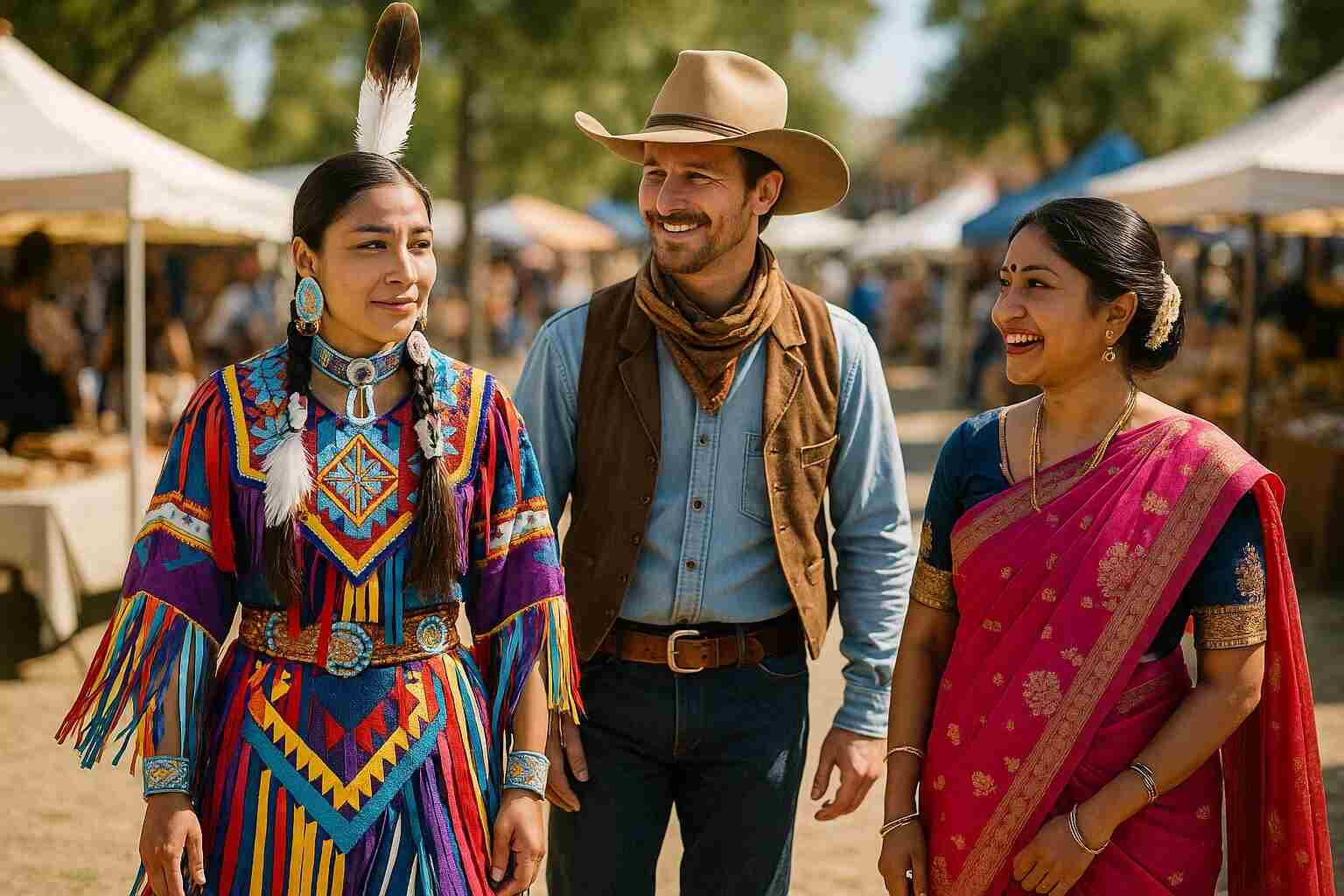
Traditional Costume in USA: Exploring Native Regalia, Cowboy Style & Cultural Dress
Introduction
The idea of “traditional costume in USA” is more complex than it looks at first glance. Unlike countries that have one clear national dress, the United States is a nation shaped by Indigenous heritage, centuries of immigration, regional cultures, and evolving identities. Because of this diversity, there isn’t a single “American national costume.” Instead, the U.S. holds many traditional garments, each tied to specific communities, histories, and cultural expressions.
From Native American regalia rich with ceremonial meaning to Western cowboy attire born from ranch life, and from colonial clothing still seen in reenactments to the vibrant immigrant garments worn at cultural festivals, traditional dress in the U.S. reflects both tradition and transformation. These garments are not simply outfits — they’re cultural symbols, expressions of identity, and links between past and present.
This guide brings together historical context, modern examples, cultural etiquette, and practical insights to offer a clear and respectful understanding of traditional costumes across America. You’ll find explanations of regalia, Western wear, colonial dress, immigrant traditions, state pageant costumes, and where to see authentic garments. You’ll also get helpful guidance on appreciation vs appropriation, supporting artisans, and what these costumes mean today.
What “traditional costume” means in the United States
Definition and terminology: folk costume vs regalia vs national dress
In the United States, the term traditional costume can refer to several different types of clothing. “Folk costume” usually describes garments developed within a regional or cultural tradition — such as cowboy attire or colonial dresses. “Regalia,” on the other hand, refers specifically to Native American ceremonial clothing and carries deep spiritual and personal meaning. Meanwhile, the phrase “national dress” is rarely used in the American context since no single outfit represents the entire nation.
Why the U.S. differs from countries with a single national costume
Unlike Japan’s kimono or Scotland’s kilt, the U.S. does not have one standardized national outfit. The country’s identity developed through waves of immigration, multi-tribal Indigenous nations, and regional lifestyles—from New England to the Deep South to the American West. Every group brought its own dress traditions, and many of them still exist today.
Traditional costume in USA is therefore plural. Native regalia and cowboy clothing are often considered the most distinctively “American,” while colonial garments survive through historical reenactments. At the same time, immigrant communities continue to wear their traditional clothing in festivals, weddings, and cultural celebrations, adding new layers to America’s fashion heritage.
Understanding this diversity is essential. Instead of searching for one “national costume,” it’s more accurate to explore the many traditional garments that express America’s cultural mosaic. This makes the U.S. unique — its traditional dress is a living, evolving blend of Indigenous, regional, and international influences.
Native American regalia: meaning, types, and etiquette
Powwow regalia vs everyday traditional garments
Native American regalia is one of the most significant forms of traditional clothing in the United States. Regalia is not a costume — it is a deeply meaningful expression of cultural identity, spirituality, and personal history. At powwows, you’ll see beautifully crafted outfits featuring beadwork, feathers, ribbon shirts, jingle dresses, and intricate moccasins. These pieces often reflect tribal identity, family lineage, or ceremonial purpose.
Day-to-day traditional clothing can include ribbon skirts, woven blankets, and specific tribal garments worn for community events or ceremonies.
Key elements and their meaning
Regalia often includes pieces such as:
- Beadwork — symbolic patterns, often passed through generations
- Feathers and feather bustles — representing honor or achievements
- Ribbon shirts and ribbon skirts — widely used across tribes
- Jingle dresses — a healing dress with a powerful origin story
- Moccasins, leggings, and cuffs — often hand-made with detailed artistry
Every piece is intentionally chosen and often handmade by the wearer, their family, or a tribal artisan.
Respect & etiquette
Because regalia is sacred, respecting boundaries is essential. You should never touch, photograph, or attempt to imitate regalia without permission. Many elements — such as eagle feathers — are restricted to specific tribal members due to cultural and legal protections.
When attending powwows, follow posted etiquette: ask before taking photos, stand during grand entry, and avoid calling regalia a “costume.” Approaching with respect helps preserve the dignity and cultural integrity of Native traditions.
Colonial & early American dress: bonnets, frocks, and re-enactors
Common colonial pieces
Colonial clothing, often associated with the 1600s–1700s, remains one of the most recognizable historic attire styles in the U.S. Men traditionally wore breeches, linen shirts, waistcoats, tri-corner hats, and coats. Women’s clothing included cotton or linen dresses, apron overlays, stays (similar to corsets), and bonnets or mob caps. These garments were functional for daily work but also reflected social class and region.
Colors and materials depended on access and status. Wealthier individuals wore silk or fine wool, while working-class people preferred durable linens and homespun fabrics.
Where you’ll see colonial dress today
Today, colonial attire is preserved through living history museums, reenactment events, and heritage festivals. Places like Colonial Williamsburg, Plimoth Patuxet, and Old Sturbridge Village employ interpreters dressed in period-accurate clothing who demonstrate historic crafts such as spinning, cooking, and blacksmithing.
Reenactors also appear at Revolutionary War events across the East Coast. Their carefully researched clothing provides insight into the daily lives of early settlers, militia members, and artisans.
Why colonial dress matters
Although colonial clothing isn’t typically worn in modern daily life, it holds cultural importance by helping Americans understand social structures, craftsmanship, and daily routines of early European settlers. For many visitors, seeing these garments in person offers a tangible connection to America’s early history and allows them to appreciate the skills required to create functional clothing in an era before industrialization.
Western wear & cowboy costume: from ranch to runway
Core pieces of Western wear
Western wear is one of the closest things to a “traditional American style” recognized worldwide. Born from life on ranches and influenced heavily by Mexican vaquero culture, Western clothing includes:
- Cowboy hats
- Leather boots
- Denim jeans and jackets
- Bolo ties
- Fringe jackets
- Plaid or chambray shirts
These items were originally practical for riding, roping, and working outdoors, but they eventually became iconic symbols of American frontier identity.
Mexican vaquero influence & regional variations
Much of what people identify as “cowboy fashion” actually comes from Mexican vaqueros — the original cowboys of the Americas. Elements such as sombreros, chaps, embroidered belts, and riding boots shaped what later evolved into U.S. cowboy clothing.
Regional variations exist as well:
- Texas favors bold hats and classic boots
- The Southwest incorporates Native American turquoise jewelry
- The Rocky Mountain region blends ranching gear with colder-climate outerwear
From ranch life to modern fashion
Today, Western wear is not limited to ranches. It’s a staple at rodeos, music festivals, state fairs, and country concerts. High-end designers have also embraced Western aesthetics, bringing cowboy boots and fringe jackets onto runways. The style remains culturally significant because it reflects individualism, frontier heritage, and the blending of Mexican and American traditions.
Immigrant & diaspora traditional dress in the USA
Examples across communities
The U.S. is home to rich immigrant traditions, and many communities continue to wear their traditional garments during celebrations, religious events, and weddings. Examples include:
- Sari and lehenga in South Asian communities
- Hanbok in Korean festivals and celebrations
- Huipil in Mexican and Central American communities
- Kimonos during Japanese cultural events
- Polleras and folk dresses in Latin American communities
- Dirndls and lederhosen during German and Austrian festivals
These garments maintain cultural identity across generations and create a sense of belonging within diaspora communities.
Festivals, weddings, and cultural contexts
Many cities hold festivals where immigrant groups proudly showcase traditional dress. Events like Lunar New Year parades, Diwali festivals, Caribbean carnivals, and Greek or Polish heritage days highlight colorful cultural garments. At weddings, these outfits carry even deeper meaning as symbols of heritage and family values.
Hybrid and modern adaptations
You’ll also see fusion styles — such as sari gowns, hanbok-inspired evening wear, or embroidered huipil tops paired with jeans. These blends reflect both cultural pride and contemporary fashion trends.
Traditional garments from immigrant communities play a major role in shaping modern American culture. They serve as bridges between ancestral heritage and present-day American identity, making them an essential part of the broader picture of traditional costume in USA.
State & pageant costumes: the modern “state costume” phenomenon
Miss USA and state costume contests
Pageants such as Miss USA and Miss Universe have popularized the idea of “state costumes.” These outfits are not traditional in a historical sense, but they creatively represent state identity, history, landmarks, wildlife, or local industries. Designers often use dramatic silhouettes, vibrant colors, and symbolic motifs to make each state’s culture stand out.
Examples from recent pageants
In recent years, state costumes have included representations of:
- The Statue of Liberty for New York
- Space exploration themes for Texas
- Mountains and forests for Colorado
- Sunshine and citrus for Florida
- Native heritage elements for states with large Indigenous populations (handled respectfully depending on designer and model)
These costumes often go viral due to their creativity and boldness, keeping the concept of “state identity through fashion” alive.
Showmanship vs authenticity
While state costumes are modern and theatrical, they still reflect aspects of cultural storytelling. Some draw from real historical symbols, while others prioritize spectacle. Regardless, they contribute to the ongoing conversation about what “traditional American dress” means in contemporary settings — a blend of creativity, cultural references, and visual storytelling.
Where to see authentic traditional costumes in the USA
Top museums
Several museums across the U.S. hold extensive collections of traditional garments, including Indigenous regalia, immigrant clothing, and historical attire. Key places include:
- Smithsonian National Museum of the American Indian (Washington, D.C.)
- Heard Museum (Phoenix, Arizona)
- National Museum of American History
- Navajo Nation Museum
- Local state museums with pioneer, colonial, or regional collections
These institutions often feature rotating exhibits showcasing beadwork, regalia, colonial garments, and garments from immigrant communities.
Annual events & markets
To see traditional clothing in action, attend cultural events such as:
- Local and national powwows
- Santa Fe Indian Market
- State fairs featuring regional dress
- Cultural parades (Lunar New Year, Caribbean Carnival, Oktoberfest)
- Renaissance and colonial festivals
These events offer immersive experiences, allowing you to appreciate the craft, significance, and performance of traditional clothing.
Why it matters
Seeing traditional garments in person helps people understand their textures, craftsmanship, and meanings beyond photographs. Museums, markets, and festivals also support artisans, encourage cultural education, and keep heritage alive for younger generations.
How to source authentic garments respectfully
Where to buy or commission
If you want to purchase traditional clothing responsibly, it’s important to support authentic and community-owned businesses. Examples include:
- Indigenous-owned boutiques selling beadwork, ribbon skirts, and jewelry
- Artisan markets such as Santa Fe Indian Market
- Cultural community shops certified by heritage organizations
- Ethical online stores supporting immigrant artisans
For colonial or historical wear, reputable reenactment suppliers provide handmade garments created with historically accurate patterns.
Questions to ask before purchasing
To ensure respectful and ethical sourcing, consider:
- Who made the garment?
- Is the seller part of the represented community?
- Are materials ethically sourced?
- Is the piece ceremonial or everyday attire?
- Does wearing it require cultural permission?
Supporting artisans responsibly
Buying directly from artisans not only supports livelihoods but preserves traditional craftsmanship. Many pieces — especially beadwork or handwoven textiles — take dozens of hours to create, so paying fair prices is crucial.
Approach traditional garments with respect, focusing on appreciation rather than imitation. When in doubt, ask the community for guidance. Many artisans are happy to explain the meaning behind their work and how it should be worn.
Cultural appropriation vs. appreciation: practical guidelines
Dos and don’ts
Cultural appreciation involves learning about and respecting a culture, while appropriation means using cultural elements without understanding or permission. Some helpful guidelines include:
Do:
- Buy from community artisans
- Learn the garment’s meaning
- Credit the designers or makers
- Ask permission when attending cultural events
Don’t:
- Wear sacred items (e.g., war bonnets, eagle feather regalia)
- Imitate ceremonial dress
- Use traditional clothing as a “costume”
- Strip symbols from their cultural context
Examples and respectful alternatives
For instance, wearing a Native American headdress to a festival is inappropriate because these items are earned through honor and ceremony. Instead, you could support Native designers making contemporary clothing inspired by their traditions.
Immigrant communities are often more flexible about sharing traditional garments, but context matters. Always consider the purpose of the event, the symbolism of the clothing, and whether you have been invited to participate.
Respectful appreciation strengthens cross-cultural relationships, honors artisans, and helps preserve cultural heritage.
Modern fashion & revival: how designers are reinterpreting tradition
Indigenous designers & fashion movements
A growing number of Indigenous designers are redefining regalia-inspired modern fashion. They incorporate traditional motifs, beadwork, and cultural symbols into contemporary clothing such as coats, dresses, and accessories. Events like Indigenous Fashion Weeks highlight these creators and bring Native perspectives into the global fashion conversation.
Fusion fashion in diaspora communities
Immigrant communities also blend heritage and modern style — such as pairing a sari with a blazer, wearing embroidered huipils with jeans, or creating hanbok-inspired dresses for contemporary weddings. These fusion garments reflect cultural pride and the evolving identity of younger generations.
A bridge between past and present
Modern reinterpretations allow designers to preserve craft techniques while adapting them for today’s fashion landscape. This revival ensures that traditional clothing remains visible, relevant, and celebrated.
Pros & Cons of Traditional Costume in the USA
Pros
- Cultural preservation: Helps communities protect their heritage.
- Identity expression: Allows people to connect with their roots.
- Educational value: Teaches history through tangible garments.
- Artisan support: Sustains traditional craft economies.
- Community pride: Strengthens intergenerational bonds.
Cons
- Cultural appropriation risks: Misuse or disrespect can harm communities.
- Commercialization: Mass-produced replicas can overshadow real artisans.
- Loss of authenticity: Modern adaptation may dilute cultural meaning.
- Misrepresentation: Media portrayals may simplify complex traditions.
- Accessibility issues: Authentic pieces can be expensive and time-intensive to produce.
Overall, the pros far outweigh the challenges when traditional garments are approached with respect, understanding, and proper sourcing.
Conclusion (200–250 words)
Traditional costume in USA is not a single outfit but an entire spectrum of heritage, identity, and craftsmanship. From Indigenous regalia and colonial-era attire to Western wear, immigrant garments, and modern state costumes, each style tells a story about the people who have shaped America. These garments connect communities to their past while continuing to evolve through festivals, fashion movements, museums, and artisan markets.
Understanding the cultural meaning behind each garment helps visitors and locals appreciate America’s diversity. Whether exploring regalia at a powwow, viewing colonial clothing at a museum, attending cultural parades, or supporting immigrant artisans, each encounter adds another layer to the understanding of American cultural heritage.
Approach traditional dress with respect, curiosity, and open-mindedness. When worn or purchased ethically, traditional garments become powerful symbols of appreciation rather than appropriation. They continue to evolve, reflecting both history and the changing ways people express their identities today.
FAQ
Does the United States have a national or traditional costume?
No. The U.S. does not have a single national costume. Instead, it has many traditional garments based on Indigenous, regional, and immigrant cultures.
What are examples of traditional American clothing?
Some common examples include Native American regalia, cowboy or Western wear, colonial-era dresses, and immigrant garments like saris, hanboks, and huipils.
What is Native American regalia and when is it worn?
Regalia is ceremonial clothing worn during powwows, dances, spiritual gatherings, and community events. Every piece has meaning and often connects to tribal identity.
Is it cultural appropriation to wear another culture’s traditional clothing?
It depends on context. Wearing ceremonial items or sacred symbols without permission is inappropriate. Wearing non-sacred garments respectfully and with community support is often acceptable.
Where can I see authentic traditional costumes in the USA?
Visit museums like the Smithsonian National Museum of the American Indian, attend powwows, explore cultural festivals, and visit state fairs or heritage events.





Leave feedback about this