

Traditional Dish of USA: 10 Iconic American Foods That Define U.S. Cuisine
Introduction
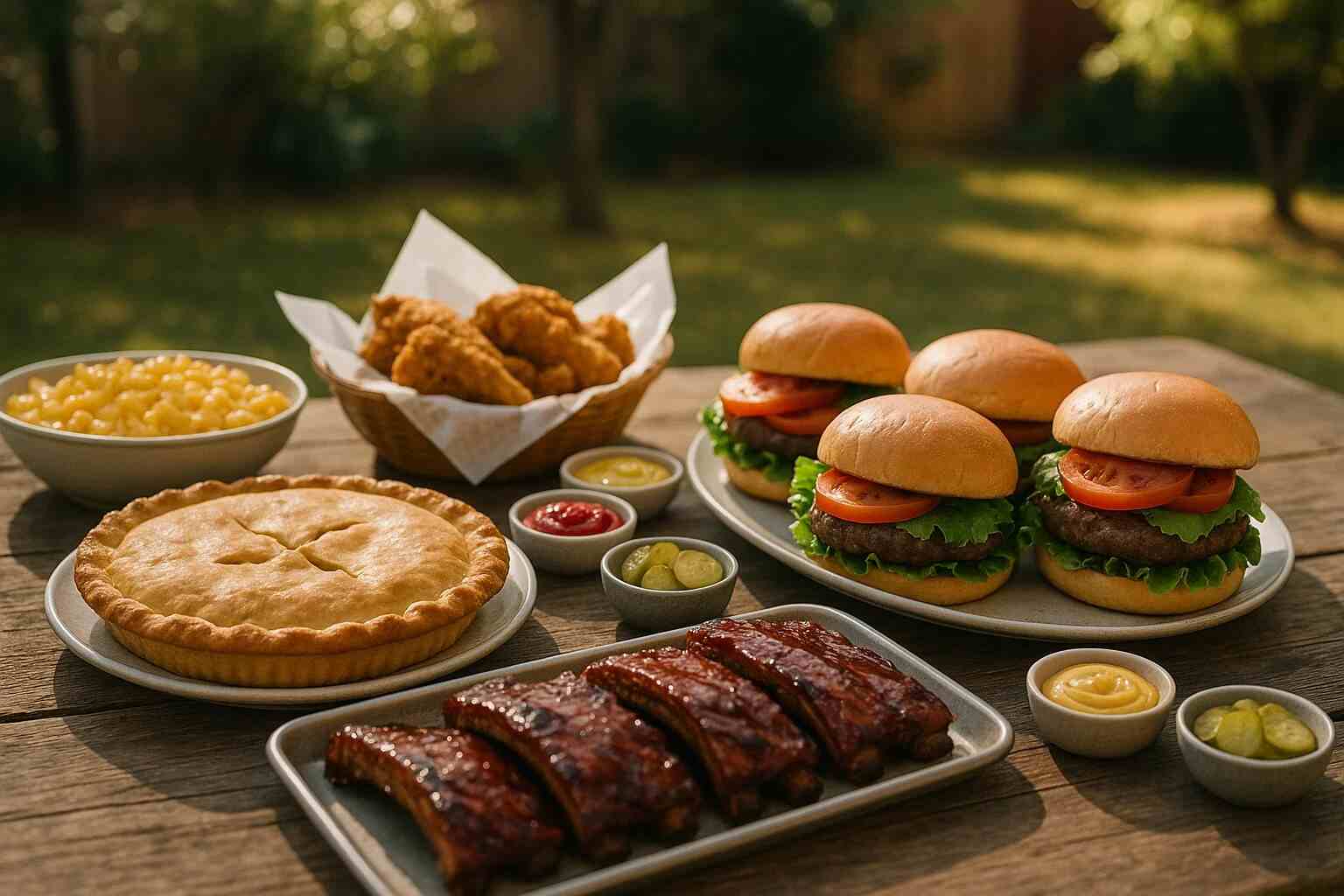
When most people think of traditional American food, the first things that come to mind are burgers, hot dogs, and apple pie. But the culinary heritage of the United States is far more diverse and fascinating than these staples suggest. From the Native American corn-based dishes to the regional barbecue styles, traditional American cuisine is a rich tapestry shaped by centuries of migration, cultural fusion, and local innovation.
Traditional dishes of the USA are not only about taste—they tell the story of a nation. They reflect the country’s history, immigrant influences, and regional adaptations. Comfort food plays a significant role, as many American classics are rooted in family meals and communal gatherings. This guide will explore some of the most iconic and lesser-known traditional dishes of the USA, their history, cultural significance, and how they are being reimagined by chefs today.
What Does “Traditional American Cuisine” Mean?
Understanding traditional American cuisine requires looking back at its historical and cultural roots. Long before European settlers arrived, Native Americans cultivated corn, beans, and squash, which became staples in early American diets. The first colonists added their own cooking styles and ingredients, creating a fusion that gradually evolved into what we now recognize as American food.
Immigrants from Germany, Italy, Ireland, and other countries brought recipes that were quickly adapted to local ingredients and tastes. The hamburger, for example, owes much of its popularity to German immigrants who introduced minced beef patties. Similarly, Southern barbecue reflects African American culinary techniques and flavors.
Regional diversity is central to American cuisine. New England is famous for clam chowder, the South for fried chicken and collard greens, the Midwest for casseroles like hotdish, and the West Coast for fusion-inspired dishes. While “traditional” often refers to older recipes, American cuisine has always evolved—reflecting innovation alongside heritage.
Iconic Traditional Dishes of the USA
Apple Pie
Apple pie is perhaps the most symbolic traditional dish of the USA. The phrase “as American as apple pie” is not just a cliché—it represents the dish’s deep integration into American culture. Though apples and pies were introduced by European settlers, the recipe was adapted in the colonies and became a staple dessert.
Over the years, apple pie has taken on regional and personal variations. Some serve it with a scoop of vanilla ice cream, while others add sharp cheddar cheese for a unique sweet-and-salty twist. Beyond its taste, apple pie represents Americana—community, family gatherings, and holiday celebrations. Today, apple pie remains a staple in diners, bakeries, and home kitchens across the country.
Hamburger
The hamburger is arguably the most iconic American dish, symbolizing casual dining and fast-food culture. Its roots trace back to German immigrants who brought the concept of minced beef patties to the United States in the 19th century. Over time, it evolved into the modern hamburger, often served with lettuce, tomato, pickles, and cheese on a soft bun.
Regional and modern interpretations have further enriched the hamburger’s legacy. Gourmet versions feature specialty cheeses, artisanal buns, and locally sourced meats, while backyard and fast-food variations keep the classic burger accessible to everyone. The hamburger’s cultural significance extends beyond the plate—it’s a social food, often enjoyed at barbecues, fairs, and sporting events.
Hot Dog
Hot dogs are another beloved traditional American food with European origins, specifically from German sausages. Introduced in the 19th century, hot dogs quickly became a staple at baseball games, street vendors, and summer picnics.
Different regions have created distinct styles. The Chicago dog, for example, is topped with mustard, onions, relish, tomato, pickle, and sport peppers on a poppy seed bun. Meanwhile, the New York hot dog is simpler, often featuring mustard and sauerkraut. Hot dogs embody American casual dining and are deeply tied to cultural rituals such as sports events and local festivals.
Barbecue (BBQ Ribs / Regional BBQ)
Barbecue is more than just a cooking method; it’s a cultural institution. Regional styles define American barbecue, with distinct techniques and flavors. Kansas City barbecue is known for its sweet, tomato-based sauces, Texas barbecue favors smoked beef brisket, and Carolina barbecue highlights vinegar-based sauces and pulled pork.
Barbecue is deeply social. Cookouts, family gatherings, and local festivals celebrate this tradition, making it both a culinary and communal experience. From smoking techniques to secret spice rubs, barbecue represents skill, heritage, and regional pride. Its enduring popularity makes it a must-try for anyone exploring traditional American cuisine.
Macaroni and Cheese
Macaroni and cheese, often called mac & cheese, is a quintessential comfort food in the United States. Originally brought by European settlers, it evolved into a creamy, cheesy casserole that has become a favorite in homes and schools nationwide.
Modern chefs have reinvented this classic with gourmet cheeses, truffle oil, or plant-based alternatives. Despite these variations, mac & cheese remains a dish that evokes nostalgia, family dinners, and indulgence—an essential example of American comfort food.
Fried Chicken
Fried chicken has strong Southern roots and is closely associated with African American culinary traditions. This dish combines seasoned coating and deep-frying techniques to create a crispy, flavorful exterior with tender meat inside.
Beyond its taste, fried chicken is a cultural symbol, appearing at family gatherings, picnics, and celebrations. Its influence has spread globally, inspiring variations across continents. In the U.S., it represents a melding of tradition, flavor, and social gathering.
Traditional Regional & Indigenous Dishes
While many top-ranking articles focus on mainstream dishes, traditional American cuisine also includes lesser-known regional and Indigenous foods:
- Succotash: A Native American dish of corn and legumes, often combined with vegetables. It showcases the importance of maize in Indigenous diets.
- Hotdish: A Midwest casserole featuring meat, vegetables, and starch, commonly served at family gatherings and potlucks.
- Fry Bread: A Native American staple with a complex cultural history, often served with sweet or savory toppings.
Highlighting these dishes adds depth, showing the diversity and historical richness of American culinary traditions.
Classic American Comfort Foods & Family Staples
American cuisine thrives on comfort foods. These dishes often carry memories of family meals and childhood traditions:
- Meatloaf and Pot Roast: Slow-cooked, hearty dishes commonly served with mashed potatoes and vegetables.
- Chocolate Chip Cookies: The quintessential American dessert, perfect for home baking and social occasions.
- Pancakes with Maple Syrup: A breakfast classic, reflecting local ingredients and regional preferences.
Comfort foods are a key aspect of what makes American cuisine relatable and enduring.
Modern Takes on Traditional Dishes
Today, chefs and home cooks alike are reimagining classic dishes. Plant-based BBQ, vegan mac & cheese, and fusion recipes show how tradition adapts to changing tastes. These modern interpretations respect heritage while embracing innovation, reflecting a broader trend toward sustainability, health, and creativity in American cuisine.
Nutritional & Cultural Reflections
Traditional American foods often feature rich flavors and hearty portions, but modern awareness emphasizes balance. Health-conscious adaptations of classic dishes—like low-fat versions of fried chicken or vegetable-forward casseroles—illustrate evolving dietary trends. Sustainability and heritage ingredients are also gaining attention, showcasing a food culture that honors tradition while looking toward the future.
Where to Try Authentic Traditional American Food
For those wanting to experience traditional dishes firsthand, regional food tourism offers countless opportunities:
- BBQ Joints: Kansas City, Texas, and Carolina are known for iconic BBQ experiences.
- Diners & Bakeries: Apple pie, mac & cheese, and fried chicken are best savored in local eateries.
- Food Festivals: State fairs and cultural festivals showcase classic and regional dishes.
Trying these dishes where they originated provides a richer understanding of their cultural significance.
Conclusion
Traditional dishes of the USA are more than meals—they are stories, history, and culture served on a plate. From iconic staples like apple pie, hamburgers, and barbecue to Indigenous foods like succotash and fry bread, American cuisine reflects diversity, innovation, and comfort. By exploring these dishes, whether through cooking or travel, we gain a deeper appreciation for the culinary heritage that defines the United States.
Whether you try a modern vegan mac & cheese or a classic Southern fried chicken, each dish connects you to generations of American history and tradition. Share your favorite traditional dish, try cooking it, or plan a food tour to taste America’s rich culinary landscape firsthand.
FAQs
What is considered the national dish of the United States?
While the U.S. does not have an official national dish, apple pie, hamburgers, and hot dogs are often cited as iconic symbols of American cuisine.
What are some traditional American foods from the South?
Southern classics include fried chicken, collard greens, cornbread, barbecue, and pecan pie.
Which American foods originated from immigrants?
Many iconic dishes, like hamburgers, hot dogs, pizza, and certain desserts, were introduced by European immigrants and adapted to local tastes.
What are classic American desserts?
Apple pie, chocolate chip cookies, pecan pie, brownies, and cheesecake are among the most traditional American desserts.
What are traditional Native American dishes?
Succotash, fry bread, cornbread, and dishes featuring maize, beans, and squash are key components of Native American cuisine.
What makes food “traditional American”?
A dish is considered traditional if it has historical roots in American culture, reflects regional diversity, and has been passed down through generations.
Where can I try authentic traditional American food in the United States?
Local diners, state fairs, regional restaurants, and food festivals provide authentic experiences, with notable highlights in Kansas City (BBQ), New England (clam chowder), and the South (fried chicken).





Leave feedback about this