

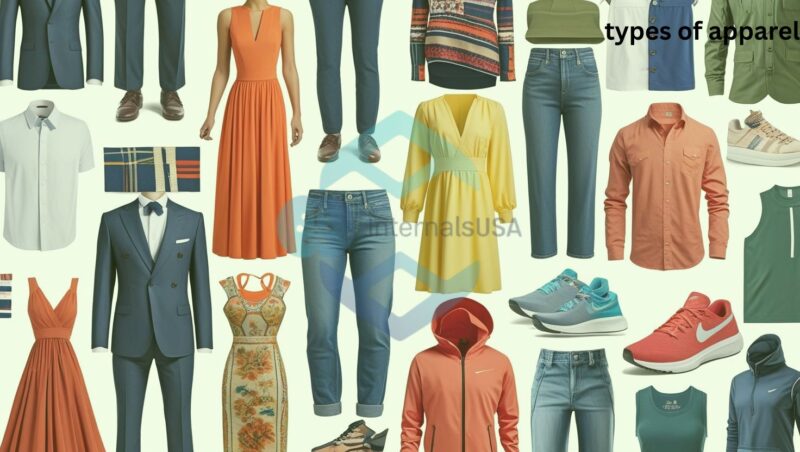
Types of Apparel: A Complete Guide to Style Choices
Fashion is more than just clothing; it is self-expression. Understanding the different types of apparel helps you choose the right outfit for every occasion, season, and lifestyle. From casual wear and formal suits to ethnic dresses and sportswear, each category of apparel serves a unique purpose in our daily lives. Knowing the difference not only saves time while shopping but also helps you build a wardrobe that is versatile, stylish, and practical.
This guide explains the meaning of apparel, its various types, and how each style fits into your life. You will also learn how to pick the right fabric, design, and outfit for your personality. Whether you are dressing for comfort, culture, or trend, the right apparel can boost confidence and leave a lasting impression. Read on to explore all the essential types of apparel you need in your wardrobe today.
“Your clothes speak before you do. Let’s explore the types of apparel that define your style.”
Introduction
When we talk about types of apparel, we mean the different categories of clothing people wear for various occasions and purposes. Apparel is not just about covering the body; it reflects culture, lifestyle, and personality. The clothes you pick for a casual outing, a wedding, a sports event, or a business meeting all fall into different categories. Knowing these types helps you select the right outfit without confusion. It also saves money by preventing unnecessary purchases and builds confidence because you know exactly what suits the event. In this guide, we explore the most common and essential types of apparel that should be part of every wardrobe.
Casual Wear: Comfort Meets Everyday Style
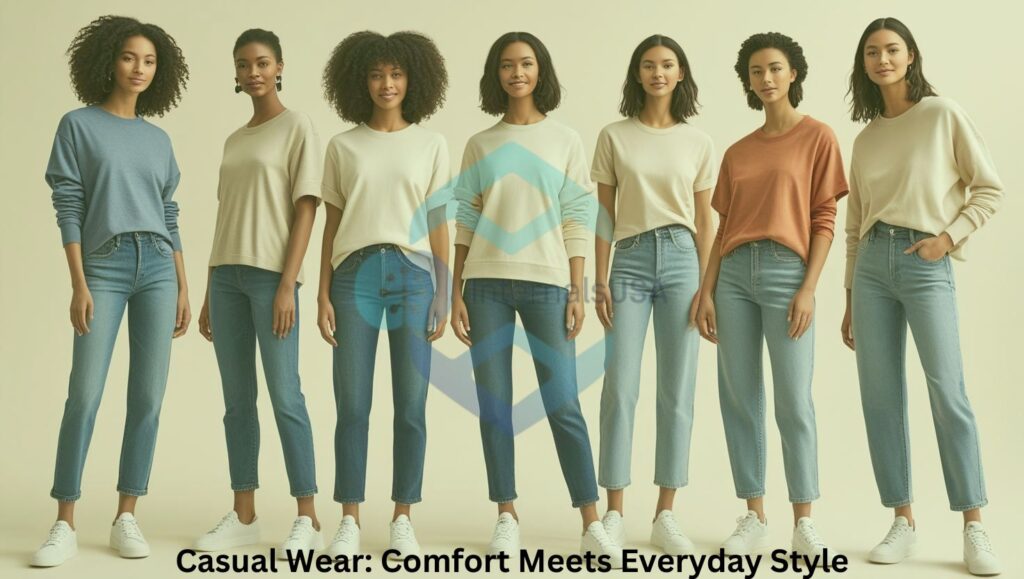
Casual wear is the type of apparel most people wear daily. It focuses on comfort and ease, allowing you to move freely without feeling restricted. Items like jeans, t-shirts, polo shirts, shorts, skirts, and casual dresses all fall under this category. Casual wear is versatile. You can wear it at home, while shopping, or for informal gatherings with friends. It is the most budget-friendly type because casual clothes are usually made from fabrics like cotton and denim, which are durable and easy to wash.
The beauty of casual wear lies in its simplicity. It does not require too much effort to style, yet it reflects your personal taste. By mixing basic pieces with trendy accessories, you can create endless looks for everyday life.
Formal Wear: Dressing for Professional Elegance
Formal wear represents sophistication and professionalism. It includes business suits, blazers, dress shirts, trousers, skirts, ties, and formal dresses. People wear this type of apparel to offices, corporate events, weddings, or formal dinners. The purpose of formal wear is to create a polished and respectable image. Fabrics like wool, silk, satin, or high-quality blends are often used because they add elegance and structure. Unlike casual wear, formal apparel usually requires careful maintenance, such as ironing and dry cleaning.
In the workplace, formal wear sets a tone of seriousness and professionalism. At events like weddings or galas, it helps you look refined and confident. Choosing the right formal apparel shows respect for the occasion and leaves a strong impression.
Ethnic and Traditional Wear: Culture in Clothing
Every culture has its unique clothing traditions, and these make up the category of ethnic and traditional apparel. In South Asia, for example, shalwar kameez, sarees, and lehengas are popular. In Japan, people wear kimonos, while in the Middle East, abayas and kaftans are common. Traditional wear connects people to their heritage. It is often worn during festivals, weddings, or religious ceremonies. Fabrics, embroidery, and designs vary from culture to culture, but all share a deep cultural meaning.
This type of apparel is more than just clothing; it is identity. Wearing ethnic wear shows pride in one’s culture and keeps traditions alive. It also adds color and diversity to the fashion world, reminding us that clothing can be both stylish and symbolic.
Sportswear and Activewear: Function with Fashion
Sportswear, also known as activewear, is designed for physical activities like running, gym workouts, yoga, or team sports. Examples include tracksuits, gym shorts, sports bras, leggings, and sneakers. The main purpose of this apparel is function. It is made from stretchable, breathable, and sweat-resistant fabrics such as polyester and spandex. These features allow the body to stay cool and comfortable during workouts.
In recent years, activewear has also become a fashion trend. People wear sports-inspired clothing even outside the gym, a style called “athleisure.” It combines function and fashion, proving that sporty apparel can look stylish too.
Party and Occasion Wear: Outfits that Stand Out
When it comes to weddings, birthdays, or social gatherings, people prefer party and occasion wear. This includes gowns, cocktail dresses, tuxedos, embellished tops, and other statement outfits. The goal here is to stand out. Fabrics like silk, satin, sequins, and velvet are commonly used because they look luxurious. Party wear often involves bold colors, shiny details, and unique designs that catch attention. Unlike casual or formal wear, party apparel is not worn daily. It is saved for special moments when people want to make a lasting impression. Choosing the right occasion wear means balancing elegance with personality, ensuring that you look stylish without feeling uncomfortable.
Seasonal Apparel: Dressing for Weather Needs
Seasonal apparel refers to clothing designed to suit the weather. In summer, lightweight cotton and linen clothes keep you cool, while in winter, wool coats, sweaters, and jackets provide warmth. Rainy seasons require waterproof jackets and boots. This type of apparel is practical. Without it, daily life becomes difficult because the weather greatly affects comfort.
Seasonal clothes also vary by region; for example, people in cold climates need heavier winter wear compared to those in tropical areas. A smart wardrobe always includes seasonal pieces. They ensure you stay comfortable while still looking stylish. Fashion trends also change with the season, so having weather-appropriate apparel keeps your wardrobe updated and useful year-round.
Workwear and Uniforms: Clothes with Purpose
Workwear is designed for jobs that require safety and functionality. For example, factory workers wear overalls, doctors wear scrubs, and chefs wear aprons. These uniforms protect workers while identifying their role in a professional setting. This type of apparel is practical and purposeful. Materials are chosen based on job needs: flame-resistant fabrics for welders, waterproof coats for fishermen, and sturdy boots for construction workers. Uniforms also promote equality by reducing visible differences among employees. They create a sense of belonging and professionalism, making them an essential part of the apparel world.
Luxury and Designer Apparel: Statement of Status
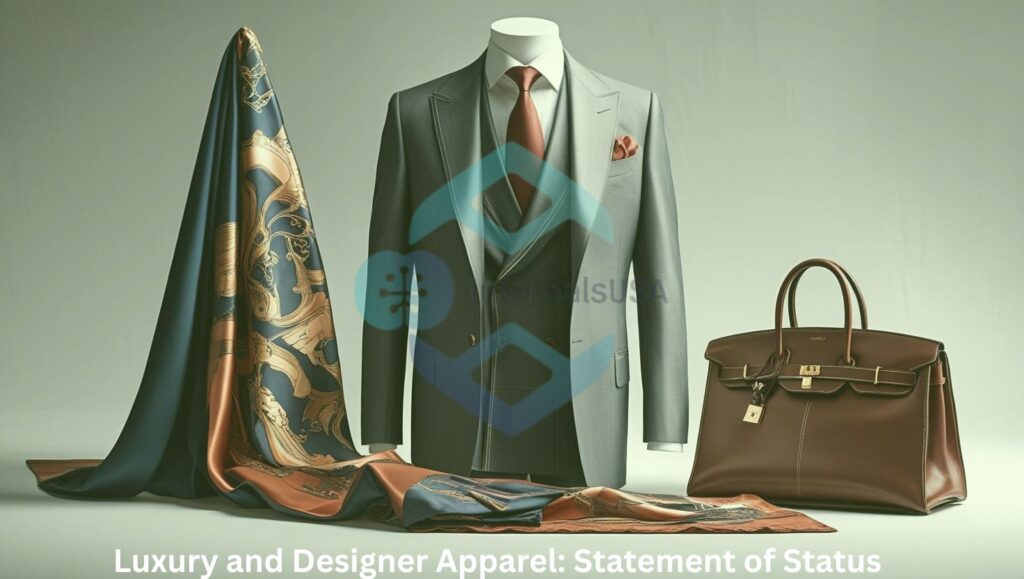
Luxury apparel belongs to the high-end fashion industry. These clothes are created by designers and fashion houses like Gucci, Prada, or Chanel. Items include couture gowns, designer handbags, branded suits, and limited-edition accessories. Luxury apparel is not just about clothing; it is a lifestyle statement. Expensive fabrics, unique designs, and expert tailoring make these outfits stand out.
People often wear them to high-profile events or use them as symbols of wealth and taste. Although not affordable for everyone, luxury apparel has a major influence on global fashion. Trends often start in the luxury industry before spreading into casual and fast fashion. Owning such apparel reflects status, exclusivity, and refined style.
Building a Balanced Wardrobe with All Types of Apparel
The best wardrobe is not filled with just one type of clothing but a mix of all. A balanced wardrobe includes casual wear for daily use, formal outfits for work, traditional apparel for cultural events, and seasonal clothing for weather needs. To build such a wardrobe, plan carefully. Start with basics like jeans, shirts, and formal trousers. Add seasonal jackets, cultural outfits, and one or two luxury pieces if budget allows.
Over time, you will have clothes ready for any occasion. A balanced wardrobe saves time, builds confidence, and ensures you always have the right apparel to match the event. Instead of feeling stressed about what to wear, you’ll feel prepared and stylish in every situation.
FAQs
What are the main types of apparel?
The main types include casual wear, formal wear, sportswear, traditional/ethnic wear, party wear, and seasonal wear. Each type serves a different purpose depending on the occasion and lifestyle.
How do I choose the right type of apparel for an event?
Always match your clothing to the event. Formal suits or gowns are best for business and weddings, while casual t-shirts and jeans work well for everyday outings.
Which fabrics are best for daily apparel?
Cotton, linen, and blends are best for comfort and breathability in daily wear. For formal events, silk, wool, and satin create a more polished look.
Can one type of apparel fit all occasions?
No single type fits all. While smart casuals may work in many settings, it is better to have a mix of apparel in your wardrobe for flexibility.
Why is it important to know about different types of apparel?
Because it saves time, money, and confusion, a clear understanding helps you shop wisely, dress confidently, and maintain a stylish yet practical wardrobe.
Conclusion
Clothing is more than fabric; it is identity. Knowing the types of apparel allows you to dress correctly for every occasion, express your personality, and stay confident in any setting. From casual comfort to formal elegance, every category has its place in your wardrobe. By understanding these types, you not only upgrade your style but also build trust in how others perceive you. The right apparel creates confidence, comfort, and lasting impressions. So, the next time you open your wardrobe or plan a shopping trip, remember: each type of apparel has a role to play in shaping your look and your story.
Also Read
jfashion – Discover and Embrace the Trend Today



Leave feedback about this