

Traditional Dress for USA: From Native Regalia to Frontier Fashion
Introduction
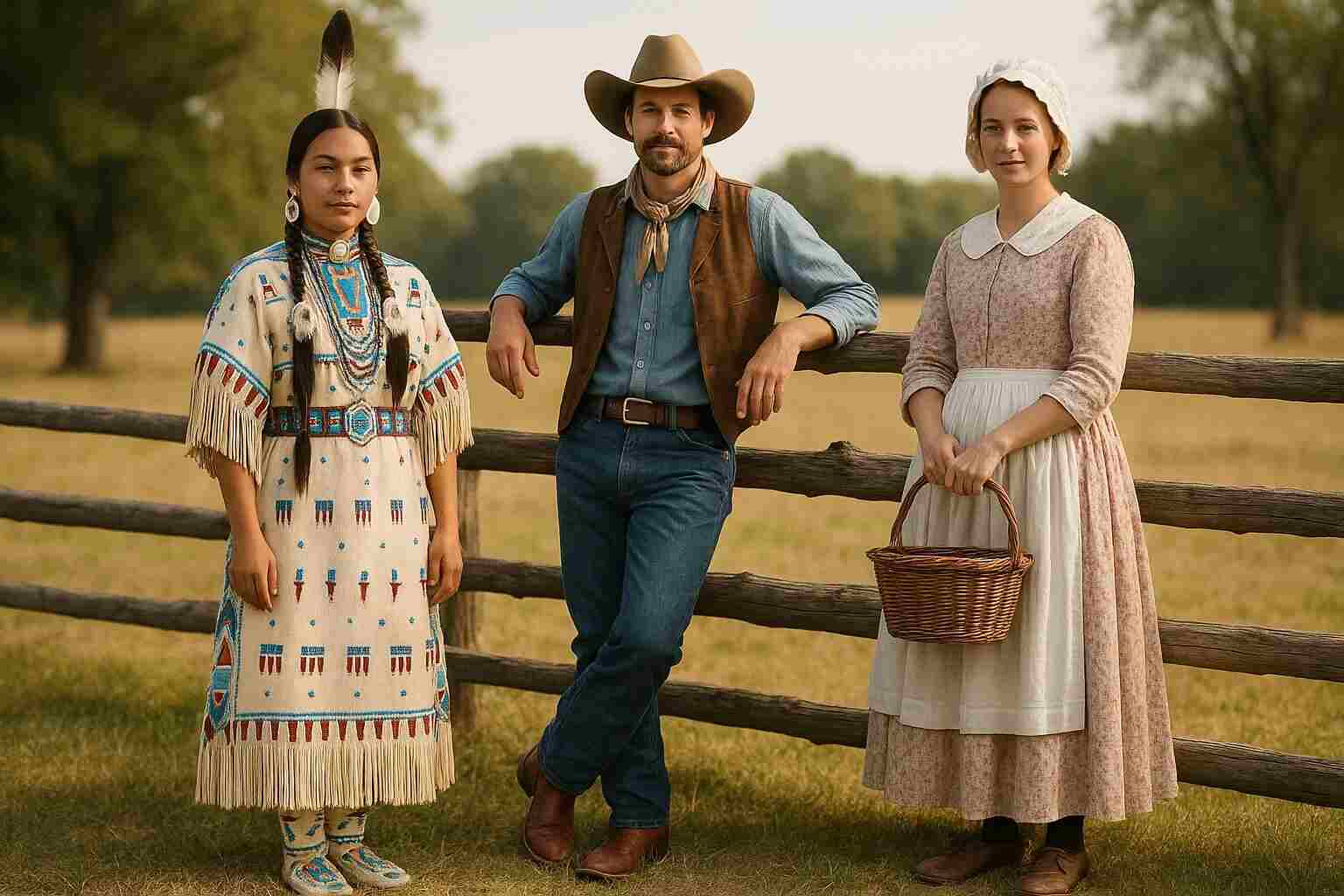
When it comes to traditional dress for USA, the United States does not have a single, universally recognized costume. Unlike some countries with national attire, American traditional dress is a tapestry of cultural, regional, and historical influences. From Indigenous communities preserving centuries-old regalia to the frontier-inspired cowboy outfit, the diversity of American clothing reflects the nation’s rich and complex history. Immigrants brought garments and techniques from Europe, settlers adapted them to new environments, and Native American tribes retained traditional styles that tell stories of identity and heritage.
Understanding the traditional dress for the USA requires exploring multiple threads — colonial-era clothing, Western frontier wear, tribal-specific garments, and modern reinterpretations by designers. Each type carries symbolic meaning and historical significance, offering a glimpse into how fashion has both shaped and reflected American culture. In this guide, we’ll break down these traditions, explore modern revivals, and highlight when and how these garments are worn today.
What Does “Traditional Dress” Mean in the American Context?
In the American context, traditional dress encompasses clothing that carries cultural, historical, or symbolic significance. Unlike nations with a single national costume, the United States is culturally diverse, and traditional clothing varies by region, community, and era.
Historically, traditional dress includes:
- Indigenous heritage: Clothing rooted in Native American culture, often ceremonial and symbolic.
- Frontier and Western wear: Styles developed during westward expansion, including cowboy hats and boots.
- Colonial and pioneer garments: Clothing worn by settlers, reflecting practicality and European influence.
- Modern reinterpretations: Designers incorporating historical motifs into contemporary fashion.
Each category tells a story — from survival and adaptation in early settlements to expressions of cultural identity in Indigenous communities. Together, they form a broad, evolving picture of American heritage fashion.
Indigenous Traditional Clothing (Native American Regalia)
Key Garments
Native American traditional clothing is diverse and varies by tribe, region, and ceremony. Common garments include:
- Moccasins: Soft leather footwear often decorated with beads.
- Breechcloths and leggings: Worn historically by men, paired with ornate belts and sashes.
- Jingle dresses: Used in ceremonial dances, adorned with metal cones producing sound.
- War bonnets: Feathered headdresses symbolizing honor and leadership.
Materials & Symbolism
Indigenous garments are not only practical but deeply symbolic. Common materials include buckskin, woven fabrics, beads, and feathers. Colors, patterns, and embellishments often convey tribal identity, social status, or personal achievements. Ribbon work, increasingly incorporated in contemporary designs, tells stories through intricate patterns and motifs.
Modern Use
Today, Native American regalia is worn at pow-wows, cultural ceremonies, and festivals. Designers from Indigenous communities blend traditional elements with modern fashion, preserving cultural techniques while innovating new styles.
Western / Frontier Dress
Origins in the Wild West
Western wear emerged during the 19th-century American frontier era. Cowboys, ranchers, and settlers developed practical garments such as:
- Cowboy hats and boots
- Leather chaps for riding protection
- Denim jeans for durability
Cultural Significance & Media Influence
Western wear became emblematic of American ruggedness and self-reliance. Movies, country music, and media popularized these garments, turning them into cultural symbols.
Contemporary Western Wear
Today, Western-inspired clothing remains popular in rodeos, country music events, and fashion. Modern designers blend cowboy aesthetics with contemporary styles, creating items like embellished denim jackets or fringe-adorned boots.
Colonial & Pioneer Clothing
Colonial Era Garments
During the 17th and 18th centuries, European settlers in North America wore garments reflecting practicality and European traditions:
- Shirts and bodices
- Long skirts and petticoats
- Bonnet hats for women
Pioneer / Prairie Dress
As settlers moved westward, clothing adapted to frontier life. Pioneer dresses were practical, made from calico or homespun fabrics, featuring long skirts, flounces, and aprons for everyday tasks.
Reform Dress
The 19th-century dress reform movement introduced bloomers and looser garments to improve mobility and comfort for women, signaling early social changes in American dress culture.
Tribal-Specific Traditional Dress
Many Indigenous tribes maintain unique styles of traditional dress. For example:
- Choctaw traditional dress: Women wore bodices, skirts, and aprons featuring European influences and tribal motifs.
- Other tribal variations include intricate beadwork, ribbon skirts, and symbolic designs representing clan or spiritual beliefs.
These garments often feature detailed embroidery, bright colors, and patterns tied to heritage and storytelling.
Mid-20th Century Influences: Squaw Dress & Ribbon Work
In the mid-20th century, certain garments like the “squaw dress” became popular in Southwestern fashion. While inspired by Native designs, the term and usage are now considered controversial.
Modern ribbon work, however, is celebrated in Indigenous fashion. Designers create intricate ribbon skirts, dresses, and jackets that honor tradition while making fashion statements. These garments combine storytelling, artistry, and identity.
Modern Revival & Contemporary Heritage Fashion
Today, designers are increasingly blending traditional American motifs with contemporary clothing. Examples include:
- Ribbon skirts paired with modern jackets
- Beaded accessories incorporated into streetwear
- Cowboy-inspired silhouettes reimagined in urban fashion
This revival preserves craftsmanship and cultural symbolism while making heritage fashion relevant to new generations.
Cultural Sensitivity & Appropriation
Wearing traditional American garments carries ethical considerations. Cultural appropriation occurs when clothing with deep cultural meaning is worn without respect or understanding.
To remain respectful:
- Learn about the history and significance of garments
- Support Indigenous designers and communities
- Avoid using sacred regalia as costume
When Do People Wear Traditional American Dress Today?
Traditional dress is often reserved for ceremonial, cultural, or educational contexts:
- Pow-wows and tribal ceremonies for Indigenous communities
- Cultural festivals and historical reenactments
- Fashion statements incorporating heritage motifs
- Rodeos and country music events
This shows that traditional dress remains alive, both as cultural heritage and as contemporary fashion inspiration.
Why Traditional Dress Still Matters
Traditional dress preserves identity, heritage, and community pride. It safeguards craftsmanship, patterns, and stories passed down through generations. Understanding and appreciating these garments fosters cultural respect, encourages heritage preservation, and keeps historical narratives alive.
By exploring the full spectrum — from Native regalia to colonial and frontier styles — we gain insight into the diverse cultural threads that make up American society.
Conclusion
The traditional dress for the USA is not a single outfit but a rich collection of garments spanning centuries, cultures, and regions. From Native American regalia and ribbon skirts to cowboy hats and pioneer dresses, each piece reflects a unique story. Modern designers are keeping these traditions alive while ensuring cultural respect and relevance. By appreciating and preserving these garments, we honor America’s diverse heritage and ensure that future generations can connect with their cultural roots.
FAQ
What is the traditional clothing of the United States?
There is no single traditional clothing for the USA. It includes Indigenous regalia, Western wear, colonial garments, and regional folk costumes.
Do Americans have a national costume?
No. The United States is culturally diverse, so “traditional dress” varies by region, history, and community.
What do Native Americans wear for traditional dress?
They wear regalia including moccasins, breechcloths, jingle dresses, and feathered headdresses, often featuring beadwork and ribbon work.
What is Western wear and why is it considered traditional?
Western wear includes cowboy hats, boots, and chaps, originating from 19th-century frontier life. It represents American frontier heritage and ruggedness.
How do American designers incorporate heritage into modern clothing?
Designers blend traditional motifs, like ribbon skirts and beaded patterns, into contemporary silhouettes, preserving cultural stories while creating modern fashion.
When do people wear traditional American dress today?
Traditional clothing is worn at pow-wows, cultural festivals, historical reenactments, rodeos, and sometimes as fashion statements.
Is it disrespectful to wear Native American-inspired clothing?
It can be if done without respect, understanding, or permission. Always support Indigenous designers and avoid using sacred regalia as costume.



Leave feedback about this