

Why Traditional Chinese Outfit Is More Than Just Clothing — Culture, Style & Guide
Overview
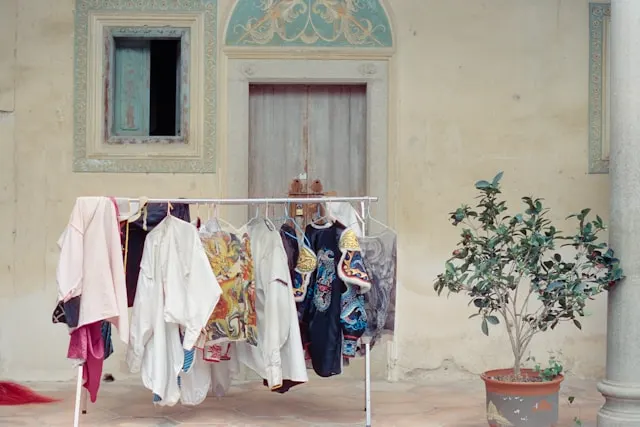
From ancient dynasties to modern runways, traditional Chinese outfits offer a stunning look into the country’s rich cultural history. Whether you’ve been captivated by the flowing sleeves of a Hanfu in a historical drama or the elegant silhouette of a Qipao in a classic film, these garments are more than just clothing—they are stories woven from silk and time. This guide will introduce you to the main types of traditional Chinese clothing, their history, how to wear them respectfully, and where to find authentic pieces.
What is a Traditional Chinese Outfit?
A “traditional Chinese outfit” is a broad term for the historical and culturally significant clothing worn by various ethnic groups in China over thousands of years. These garments are distinct from modern, Western-style fashion and carry deep symbolic meaning, often tied to dynasty, region, and social status.
Today, these outfits are worn during festivals like Chinese New Year, at weddings, and as part of a growing cultural revival movement. Understanding the difference between traditional garments and contemporary Chinese fashion is key. While a modern Shanghai designer might create a dress with a mandarin collar, a true traditional piece like a Hanfu follows specific historical patterns and construction.
Hanfu: The Ancient Garment
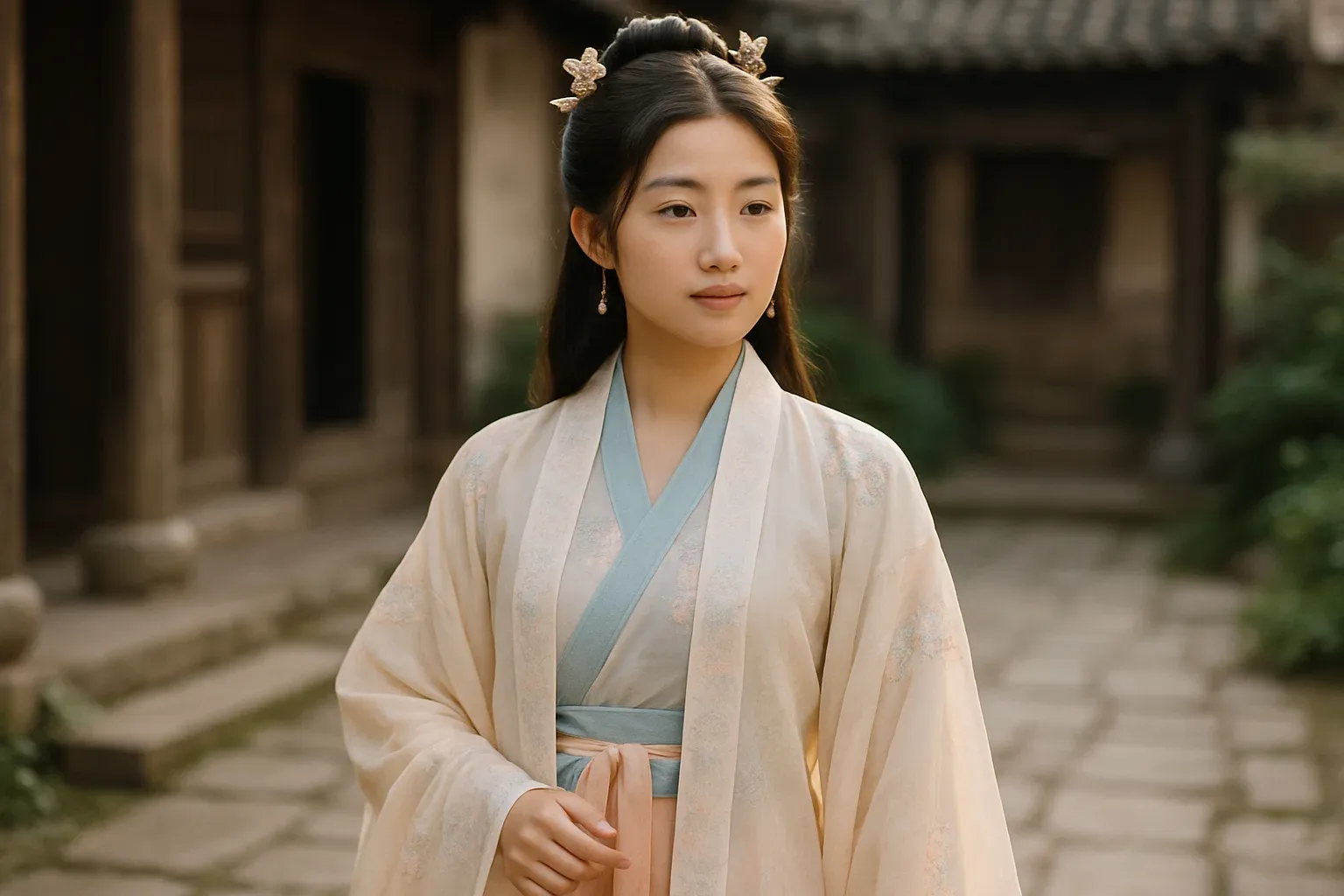
Hanfu is the historical clothing system of the Han Chinese people, with roots stretching back over three millennia. Its forms evolved through various dynasties, but its core elements remained influential.
Origins & Dynasty Timeline
- Shang Dynasty (c. 1600–1046 BC): Early forms consisted of a tunic and a narrow skirt.
- Han Dynasty (206 BC–220 AD): The classic two-piece system with a cross-collared robe became standardized.
- Tang Dynasty (618–907 AD): A period of openness, reflected in more diverse and vibrant Hanfu styles.
- Ming Dynasty (1368–1644 AD): The last dynasty ruled by Han Chinese, featuring elegant and refined Hanfu designs.
Key Features
The most recognizable features of Hanfu include a cross-collar upper garment (yi), a skirt (chang), and a sash to close it. The sleeves are often long and flowing, and the garment is typically worn in layers. It is not fastened with buttons but with sashes and ties.
How and When It’s Worn Today
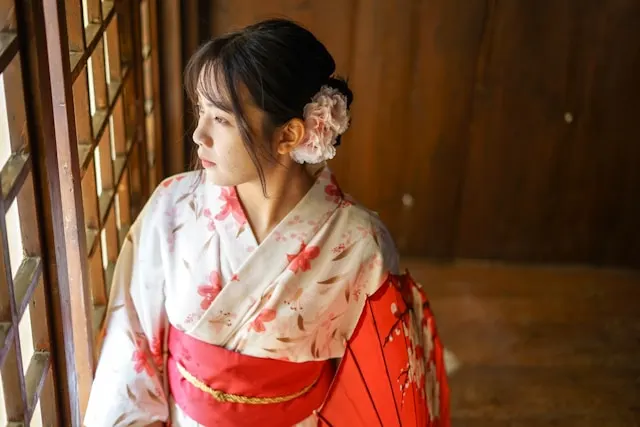
A global “Hanfu revival” has seen young people embrace this traditional Chinese outfit for daily wear, cultural festivals, and photoshoots. It is a way to connect with their heritage and express a unique aesthetic.
Qipao / Cheongsam: Shanghai’s Icon
The Qipao, also known as a Cheongsam, is arguably the most famous traditional Chinese dress in the Western world. However, its form-fitting style is a relatively modern development.
20th-Century Evolution & Features
The Cheongsam originated from the Manchu banner gown of the Qing Dynasty but was modernized in Shanghai during the 1920s and 1930s. It transformed into a stylish, often form-fitting dress that accentuates the female figure. Key features include a high mandarin collar, knot buttons (pankou), and side slits.
Wedding & Formal Uses
Today, the Qipao is a popular choice for formal events and weddings. Many brides wear a red Qipao for their wedding tea ceremony or reception as a symbol of luck and happiness.
Styling Tips for Western Wardrobes
A modern Qipao can be styled with simple heels and minimal jewelry to let the dress shine. For a more casual look, a shorter Qipao can be paired with flats or even elegant sneakers, blending tradition with contemporary fashion.
Tang Suit & Zhongshan (Mao) Suit
Beyond the Hanfu and Qipao, two other suits hold significant cultural places.
Origins and Distinguishing Elements
The Tang Suit (Tangzhuang) is not actually from the Tang Dynasty. It’s a modern garment that combines a Western-style jacket with traditional elements like a mandarin collar and frog fasteners (knot buttons). The Zhongshan Suit, or “Mao suit,” was a modern formal attire championed by Sun Yat-sen and later worn by Mao Zedong. It features a button-front jacket with four pockets.
When to Wear
The Tang Suit is a popular choice for festive occasions, especially Chinese New Year. The Zhongshan Suit is more of a historical and political symbol, rarely worn today outside of formal state functions or historical contexts.
Ethnic Minority Traditional Dress
China is home to 55 officially recognized ethnic minority groups, each with its own unique and beautiful traditional clothing that is often overlooked.
Examples: Miao, Tibetan, Dai, Zhuang
- Miao: Famous for intricate embroidery, heavy silver headdresses, and pleated skirts.
- Tibetan: The chuba is a long, wrap-around robe worn by both men and women, often made of wool.
- Dai: Known for their slim-fitting, brightly colored skirts and blouses, especially prominent during the Water-Splashing Festival.
- Zhuang: Their clothing often features unique woven patterns and is typically made from hand-spun, plant-dyed cotton.
Visual & Craftsmanship Notes
The craftsmanship of these garments is a vital part of intangible cultural heritage. The techniques of embroidery, weaving, and silverwork are passed down through generations and represent a deep connection to history and identity.
How to Tell Authentic vs. Costume
When shopping for a traditional Chinese outfit, it’s important to distinguish between an authentic garment and a low-quality costume.
Fabric, Seams, Tailoring Signs
Authentic pieces are often made from natural fabrics like silk, brocade, or cotton. Look for neat, strong seams and hand-stitched details like frog buttons. Costume-grade items are typically made from polyester or satin, with machine-sewn details and visible overlocking stitches.
Price vs. Quality, Seller Vetting Checklist
A very low price is often a red flag. A well-made Qipao or Hanfu set requires skilled labor and quality materials. When buying online, check seller reviews, look for detailed product descriptions mentioning fabric type, and be wary of sellers using generic stock photos.
How to Wear & Style a Traditional Chinese Outfit
Wearing a traditional garment correctly shows respect for its cultural origins.
Sizing & Tailoring Tips for Western Bodies
Many traditional garments are sold with Asian sizing charts. Always measure yourself carefully and compare with the seller’s chart. For garments like the Qipao, which are meant to be fitted, professional tailoring may be necessary to achieve the perfect silhouette.
Accessorizing (Hair, Jewelry, Shoes)
Accessories should complement, not overpower, the outfit. For Hanfu, traditional hairpins and embroidered shoes are fitting. For a Qipao, simple pearl earrings or a jade bracelet can add a touch of elegance.
Buying & Renting: Best Places (USA / UK / China)
Finding authentic traditional Chinese outfits outside of China has become easier.
Recommended Shops, Tailors, Rental Services
- Online Shops: Websites specializing in Hanfu or modern Qipao often ship to the USA and UK. Look for stores with strong community reputations.
- Local Tailors: In cities with large Chinese communities like London, New York, or San Francisco, you can find experienced tailors who can create a custom-fit Qipao.
- Rental Services: Some services now offer Hanfu and Qipao rentals for special events or photoshoots, which is a great way to experience the clothing without a large investment.
Cultural Etiquette: Wearing Chinese Clothing Respectfully
For non-Chinese individuals, wearing these garments can be a beautiful act of cultural appreciation when done thoughtfully.
When It’s Appropriate (Invitations vs. Public)
Wearing a traditional outfit is most appropriate when you are invited to a specific cultural event, such as a Chinese New Year celebration, a wedding, or a festival. Wearing it as a casual costume in public may be seen as inappropriate.
Avoiding Appropriation — Do’s and Don’ts
- Do: Research the garment you are wearing. Understand its name, history, and significance.
- Don’t: Refer to a Qipao or Hanfu as a generic “Asian costume.”
- Do: Purchase from authentic sellers who support traditional artisans.
- Don’t: Alter the garment in a way that disrespects its original form or purpose.
- Do: Wear it with respect and acknowledge its cultural origins.
Care & Maintenance
Proper care will ensure your garment lasts for years. Silk and brocade pieces are often dry-clean only. Cotton Hanfu may be hand-washed in cold water. Always check the care label. To store, avoid hanging delicate silk for long periods; instead, fold it carefully with acid-free paper to prevent creasing and discoloration.
Pros & Cons of Wearing Traditional Chinese Outfits Today
Embracing these historic styles comes with both rewards and challenges.
Pros
Wearing a traditional Chinese outfit connects you to a rich heritage. It is a unique and elegant style statement, and it supports the artisans who preserve these traditional crafts.
Cons
High-quality garments can be expensive. Finding the right fit can be difficult, and there is always the need to be culturally sensitive and aware of the context in which you are wearing the outfit.
Conclusion
The world of traditional Chinese outfits is as vast as it is beautiful. From the ancient grace of the Hanfu to the modern elegance of the Qipao, each garment is a piece of living history. By understanding their origins, learning how to wear them respectfully, and supporting authentic creators, you can appreciate this rich cultural tapestry. Whether you are adding a piece to your wardrobe or simply admiring it from afar, these outfits offer a timeless connection to Chinese culture.
Frequently Asked Questions
What is a traditional Chinese outfit called?
There is no single name. The most common types include the Hanfu (historical Han clothing), the Qipao or Cheongsam (a 20th-century fitted dress), the Tang Suit (a modern jacket), and the Zhongshan Suit (a formal suit).
What is the difference between hanfu and qipao (cheongsam)?
Hanfu is an ancient clothing system with long robes, wide sleeves, and a sash, worn for millennia. The Qipao is a relatively modern, form-fitting dress that became popular in Shanghai in the 1920s. They come from different time periods and have completely different silhouettes.
When did the qipao become popular in China?
The Qipao rose to prominence in Shanghai during the 1920s and 1930s. It was a stylish modernization of older Manchu robes, embraced by socialites and celebrities as a symbol of modern Chinese femininity.
Can non-Chinese wear a traditional Chinese outfit?
Yes, but it should be done with respect. It is best to wear such garments for culturally appropriate events like weddings or festivals. Understanding the history of the clothing and purchasing from authentic sources are key parts of showing cultural appreciation, not appropriation.
How do I wear and care for a hanfu or qipao?
For a Hanfu, layer the cross-collared robe and secure it with the sash. For a Qipao, simply wear it as a dress. Care depends on the fabric; silk and brocade usually require dry cleaning, while cotton may be hand-washed. Always follow the specific care instructions for your garment.

Leave feedback about this