

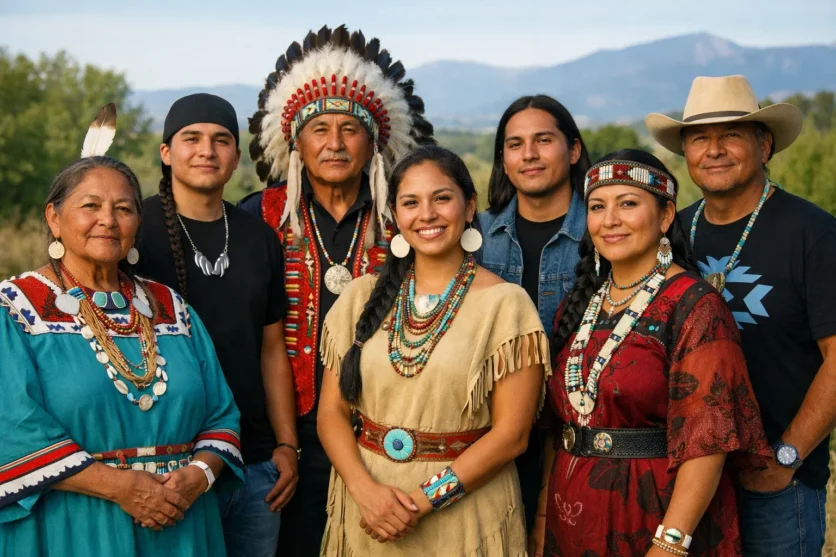
Native American Facial Features: Common Traits, Tribal Differences, and Myths
Native American Facial Features: Traits, Diversity, and Meaning
Discussing Native American facial features is complex. It touches on identity, genetics, and culture. Sadly, stereotypes often create a false, one-size-fits-all image of what it means to “look” Native American.
The real picture is much more diverse. Across the Americas, hundreds of distinct nations and tribes exist, each shaped by unique histories and adaptations. Their different environments and genetic backgrounds have produced a broad spectrum of physical traits.
In this article, we approach the topic with both nuance and respect. You’ll learn about the commonly discussed facial features, the science behind them, and the vast diversity among tribes. We also debunk harmful media myths, explain the cultural meaning of these traits, and show why looks alone can’t define ancestry.
Our aim is to move beyond stereotypes. By the end, you’ll have a deeper and more accurate understanding.
What Are Native American Facial Features?
Facial features refer to the structure and look of the eyes, nose, cheeks, and other parts of the face. For Native Americans, though, there is no single set of features. The idea of a “Native American look” is a misconception, often pushed by inaccurate history and media.
Over 574 federally recognized tribes live in the United States, with hundreds more across the continents. Each has a unique story, culture, and heritage. This massive diversity means facial characteristics can vary greatly from one nation to another.
Even within the same tribe or community, people look different. A Cherokee from the Southeast may not resemble a Diné (Navajo) from the Southwest or an Inuit from the Arctic. There is no one-size-fits-all.
Commonly Discussed Facial Traits
No single trait is universal, but some are commonly linked to Native American heritage. It’s important to remember these are generalizations, not definitions.
- High Cheekbones: This feature is often mentioned. Prominent cheekbones are common in many Indigenous peoples worldwide.
- Almond-Shaped Eyes: Eye shapes vary, but some Native people have epicanthic folds, creating an almond-shaped appearance.
- Nose Shapes: Native noses can be narrow and aquiline or broad with a lower bridge. There’s no single “Native” nose.
- Hair and Skin Tones: Many have dark, straight hair, though wavy textures exist too. Skin tones range from light tan to deep brown, depending on tribe and ancestry.
Genetic and Environmental Factors Behind Facial Features
Our facial structure is shaped by both genetics and the environment. DNA acts as the blueprint for appearance—affecting bone structure, skin color, and more. These genetic traits are carried through generations and help link families together.
The environment also makes a big difference. Evolution has adapted certain features to local climates. For instance, wider noses may help warm and humidify cold air, while narrower noses are more common in warm, moist places.
Similarly, skin tone often relates to the strength of sunlight in a region. Such adaptations happened over thousands of years as Indigenous communities thrived in very different landscapes, from icy tundras to dry deserts.
Native American Facial Features by Tribe
Facial trait diversity becomes even clearer when you look at different tribes. Geography, migration, and relationships with other tribes have all shaped the unique features seen across the Americas.
Navajo (Diné) Facial Characteristics
Diné people from the American Southwest often have strong, defined features. You might notice prominent cheekbones, a robust jawline, and a variety of nose shapes—sometimes with a lower bridge.
These traits reflect their history in the high desert regions of the Four Corners area.
Cherokee Facial Features
The Cherokee are one of the largest tribes from the Southeastern Woodlands. Their appearance is very diverse, partly due to a long history of intermarriage with Europeans.
Some Cherokee people have lighter skin, eye colors, or varied hair, while others look more like traditional Indigenous groups. No single look defines this nation.
Sioux / Lakota Facial Traits
The Lakota, Dakota, and Nakota (Sioux peoples) live on the Great Plains. They often display traits linked to the “classic” image of Plains Indians, such as high cheekbones, aquiline noses, and strong profiles.
These features were once suitable adaptations for life on vast prairies and open plains.
Inuit and Arctic Indigenous Features
Inuit and other Arctic peoples—like the Yupik and Aleut—have facial traits adapted to freezing environments. These can include flatter facial profiles, stockier builds to conserve warmth, and epicanthic folds to help reduce snow glare.
Southwest and Plains Tribes Comparison
Comparing Southwestern tribes like the Pueblo with Plains tribes like the Cheyenne highlights environmental influence. Pueblo peoples may have features suited for hot deserts, while Cheyenne features show adaptation to windy, grassy plains.
This comparison shows why it’s inaccurate to group all Native peoples under one appearance.
High Cheekbones and Facial Bone Structure
High cheekbones, technically called prominent zygomatic arches, are often seen as markers of Native American ancestry. While this trait is relatively common, it’s not exclusive or universal.
Plenty of people from Asian, Eastern European, and African backgrounds also have high cheekbones. From an anthropological view, strong facial bones—like prominent cheekbones and a solid jaw—were useful for chewing tough ancestral diets.
For many, high cheekbones are a visible link to deep heritage. But having, or not having, this trait doesn’t define your identity.
Eye Shape, Nose Structure, and Other Distinct Traits
Other features help shape the face of Native America.
- Eye Folds and Shapes: Some Native Americans have an epicanthic fold, similar to many Asian peoples—a connection dating back to ancient migrations across the Bering Strait. Still, eye shapes range from round to almond, and many don’t have this fold.
- Nose Width and Bridge Variations: Nose shape varies widely. Plains and Northeast tribes may have more aquiline noses, while some groups have broader, flatter noses.
- Lips, Jawline, and Facial Symmetry: There are also big differences in lip fullness, jaw definition, and the overall symmetry of facial features. All this diversity makes stereotypes impossible.
Cultural Significance of Facial Features in Native Communities
In Native communities, facial features mean more than biology. They’re a visible link to ancestors, family, and tribal identity. Spotting a familiar nose or eye shape in a child is a powerful connection across generations.
But culture and community always come first. Elders and leaders remind us that identity is more than looks. Language, traditions, community role, and official tribal membership are what matter most.
Basing identity on appearance alone is wrong. It ignores the modern, complex reality of Indigenous life.
Common Myths and Stereotypes About Native American Facial Features
Hollywood and mainstream media have spread narrow and often romanticized Native stereotypes. The “stoic warrior” with high cheekbones, straight black hair, and an aquiline nose became a damaging cliché.
These myths erase the enormous variety of faces among Native people. They set unfair standards that many, especially those of mixed heritage, do not meet.
This can lead to “identity policing,” where people are judged for not “looking Native enough.” Accurate, diverse representation in the media helps break down these wrong ideas.
Can Facial Features Identify Native American Ancestry?
The truth is, facial features alone can’t prove Native American ancestry. Relying on appearance is unreliable and outdated.
Traits passed through families can skip generations or never appear at all. While some features might hint at ancestry, only documented genealogy and, in some cases, tribal records can provide proof.
DNA tests might show links to Indigenous peoples but can’t confirm a specific tribal connection. Real heritage comes from family history, community, and official recognition.
Frequently Asked Questions (FAQs)
Do all Native Americans have the same facial features?
No, there is huge variety among the hundreds of tribes. People from different nations, and even within tribes, look very different from one another.
Are high cheekbones exclusive to Native Americans?
No, high cheekbones occur in many groups, including Asian, Eastern European, and African populations.
How do Native American facial features differ by tribe?
Features are shaped by each tribe’s unique genetics and environment. Arctic peoples adapted to cold, while those in the Southwest adapted to desert conditions.
Can genetics explain Native American facial traits?
Yes. Genetics determine facial structure, skin tone, and hair. But these markers result from thousands of years of evolution in varied climates.
Is it respectful to discuss Native American facial features?
It can be, if done with care and understanding of diversity. It’s disrespectful to stereotype, judge identity by appearance, or reduce culture to physical traits.
Conclusion
Talking about Native American facial features shows incredible diversity, resilience, and evolution. Traits seen across the Americas reflect thousands of years of adaptation to different environments.
From Lakota high cheekbones to Inuit features built for the Arctic, each look tells part of a bigger story. The goal is to move past old stereotypes and appreciate the richness of Native diversity.
Above all, remember: true identity is not just about looks. It comes from culture, language, community, and a deep connection to heritage. These things can’t be measured by appearance alone.





Leave feedback about this