

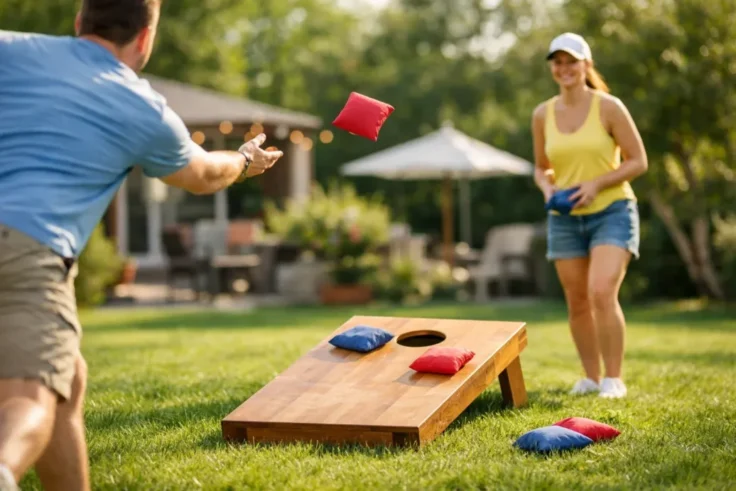
Fun Techniques for Perfecting Your Cornhole Game
Cornhole is more than just a popular summer pastime; it’s a game that combines skill, precision, and a little bit of friendly rivalry. Whether you’re looking to impress at your next backyard gathering or take your skills to league night, learning effective strategies can help you excel. If you’re ready to take your game to the next level, start by understanding the right techniques for how to throw cornhole bags for consistent, accurate shots.
Transforming your cornhole experience begins with building a strong foundation and progressing toward more advanced methods. Adopting new drills, playing styles, and even customizing your boards will not only refine your approach but also keep the game engaging and fun for everyone. With a focus on form, practice, and creativity, you can make each throw count and every match memorable.
Mastering the Basics
Like any skill-based game, cornhole starts with understanding its basic rules and scoring. Each player (or team) takes turns tossing bags at an angled board with a circular hole near the top. The main objective is to score points by getting the bags onto the board (one point) or into the hole (three points). Consistent application of the rules and basic strategies, such as alternating turns and scoring only after all bags are thrown, lays the groundwork for fair and enjoyable play.
Beyond memorizing the rules, having the right equipment matters. Regulation boards are 48 inches long, 24 inches wide, and are set 27 feet apart. Bags should weigh between 15.5 and 16.5 ounces. Understanding these standards ensures you’re practicing with the correct setup, making it easier to transition skills to tournaments or league play.
Once the basics are second nature, you’ll have a platform from which to develop sophisticated techniques, experiment with new grips or throws, and ultimately, build confidence in your game. Learning key tactics early on can prevent the formation of unhelpful habits that might be tough to shake later.
Perfecting Your Stance and Grip
A strong, repeatable stance is the bedrock of consistent play. Stand with your feet shoulder-width apart and pivot your dominant foot slightly forward. This creates a balanced posture, allowing for easy energy transfer as you swing your arm. Many top players practice stability drills to minimize swaying or unnecessary movements that can throw off accuracy.
Experiment with your grip to find the one that complements your natural throwing style. For example, some players prefer a palm grip for more power, while others opt for a fingertip grip for better control over the bag’s trajectory. The “claw grip” positions fingers underneath and the thumb on top an excellent starting point for beginners. Regardless of your choice, consistency in both stance and grip leads to a more predictable release, which translates to better accuracy and scoring potential.
Developing Consistent Throwing Techniques
Practicing a smooth, pendulum-like arm motion is critical. Start your throw with a gentle backswing and release the bag as your arm moves parallel to the ground, ideally when your hand aligns with your eyes. This creates a flatter arc, allowing the bag to glide smoothly onto the board with minimal bounce or deviation. According to a guide on Cornhole Addicts, repetition establishes muscle memory, helping your arms and hands learn the exact timing for the perfect toss.
Consistency is key. Try to recreate your stance, grip, and motion with every throw. Record your sessions or ask a friend to watch for inconsistencies. Over time, these minor corrections compound into significant skill improvement and increased scoring rates.
Incorporating Spin for Better Control
Introducing spin stabilizes your bag, helping it fly straighter and land more predictably. To add spin, use your thumb on top and fingers underneath the bag, flicking your wrist as you release. The resulting rotation keeps the bag flat, preventing the corners from catching on the board and veering off target. Even a minor adjustment to your release can sharply boost your accuracy and control, especially in windy conditions.
Mastering spin isn’t an overnight process. Practice this technique during dedicated drills and resist the urge to over-spin, which can make the bag bounce or skip. Professional players often showcase subtle spins that provide just enough rotation to stabilize the flight, maximizing their scoring potential in tournament settings.
Practicing Targeted Drills
Targeted drills transform regular practice into results-driven improvement. Place small markers or tape around the board to serve as specific landing zones. Begin by aiming for the board’s perimeter, then gradually move these markers closer to the hole as your precision improves. You can also use household objects or colored spots to create visual cues for yourself.
Incorporating repetition and variation into these drills sharpens both accuracy and adaptability. For advanced players, challenge yourself to run sequences that simulate real match conditions, such as practicing blocked shots or aiming for ‘air mail’ holes over obstacles. Consistent repetition of drill routines can turn scoring opportunities into reflexes.
Exploring Fun Game Variations
To keep the game fresh and engaging, introduce creative variations. Try “Speed Cornhole,” which gives each player a time limit to throw all their bags, challenging quick decision-making and adding an exhilarating twist to casual play. Another great option is “Around the World Cornhole,” which requires tossing from multiple positions surrounding the board, enhancing versatility and expanding your skill set.
Game variations encourage players to think on their feet and develop strategies for less predictable scenarios. They also keep practice sessions lively and appealing for family gatherings or party settings. Experiment with these options to hone new techniques and discover your strengths in diverse environments.
Customizing Your Cornhole Boards
Personalizing your equipment adds character and excitement to the game. Paint your boards using stencils, chalkboard paint, or decoupage to match your personality or party themes. Consider adding LED lights for after-dark matches or decals for a professional look. Not only do customized boards make your setup more appealing, but they can also signal your commitment to the game and inspire others to join in.
Upgrading your equipment ensures longevity and keeps the game feeling special over time. Maintenance, such as sanding rough spots or resealing the surface, also affects how bags slide and, in turn, your throws.
Conclusion
Improving your cornhole skills is about mastering the fundamentals and then continuously exploring new techniques, game variations, and personalized touches. Build a solid base, hone your throw, integrate targeted drills, and experiment with spins or stances. With practice and enthusiasm, you’ll become a formidable cornhole competitor, ready to elevate any backyard or league event. Gather your friends, try new variations, and enjoy the journey toward cornhole mastery!





Leave feedback about this