

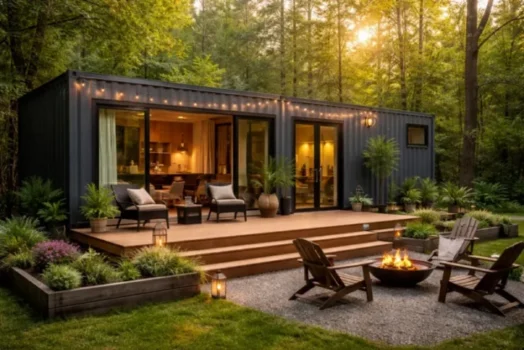
Minimalist Living: Why Shipping Containers for Sale Are Perfect for Tiny Homes
In recent years, the minimalist lifestyle has gained traction as people seek to simplify their lives, reduce clutter, and focus on the things that truly matter. Central to this movement is the idea of downsizing, which often leads to the exploration of tiny homes. Tiny homes are small living spaces that allow individuals or families to live more sustainably while embracing the concept of “less is more.” Among the various solutions available for constructing tiny homes, shipping containers for sale have emerged as a popular choice. Their affordability, durability, and versatility make them an appealing option for those interested in minimalist living. However, while shipping containers provide many advantages, there are several factors to consider when deciding whether they are the right choice for your tiny home.
What Makes Shipping Containers Ideal for Tiny Homes?
One of the primary reasons shipping containers are gaining popularity as a foundation for tiny homes is their cost-effectiveness. A used shipping container, which can be purchased at a reasonable price from various suppliers, offers a solid, durable base to build upon. These containers are designed to withstand harsh weather conditions and the stresses of transportation, making them a strong and reliable material for a tiny home. Additionally, their availability is widespread, with many shipping containers for sale offered online or through local businesses, making it easy to find a container to suit your needs.
Another key benefit of using shipping containers for tiny homes is their compact size, which aligns perfectly with the ethos of minimalist living. With a standard 20-foot or 40-foot container, tiny home builders can create a home that is efficient, functional, and simple. The box-like shape of a shipping container also allows for creative design options, enabling builders to maximize space without sacrificing essential amenities.
Furthermore, shipping containers are typically made from steel, which makes them inherently durable. This sturdiness is an essential factor for anyone considering living in a tiny home, as it ensures the structure will last for many years with minimal maintenance. Additionally, steel is fire-resistant, which provides an extra layer of protection for homeowners, especially in areas prone to wildfires or extreme weather.
The Sustainability Factor: A Green Approach to Tiny Homes
Sustainability is another critical consideration when it comes to minimalist living, and shipping containers can be an eco-friendly solution for building tiny homes. Reusing shipping containers instead of opting for traditional construction materials helps reduce the demand for new resources, contributing to a more sustainable building process. By repurposing used containers, tiny home builders are engaging in upcycling, which reduces waste and minimizes the environmental footprint of the project.
Shipping containers are also relatively energy-efficient once modified, especially when combined with other eco-friendly building techniques. For instance, they can be equipped with solar panels, green roofs, and rainwater collection systems, all of which align with sustainable living practices. The compact size of a shipping container home further reduces the amount of energy required for heating and cooling, making it an energy-efficient choice for those seeking to minimize their carbon footprint.
Challenges to Consider When Using Shipping Containers for Tiny Homes
While the benefits of using shipping containers for tiny homes are undeniable, there are several challenges that homeowners and builders must consider before embarking on this type of project.
1. Insulation and Temperature Regulation
One of the most significant challenges when converting a shipping container into a tiny home is ensuring it is properly insulated. Steel, by its nature, conducts heat and cold, which means that without proper insulation, a shipping container can become unbearably hot in the summer and extremely cold in the winter. Proper insulation is essential to make the space livable year-round, and without it, the energy efficiency of the container will be compromised.
There are various insulation options available for shipping container homes, such as spray foam, rigid foam board, or cotton-based insulation. Each material has its pros and cons in terms of cost, ease of installation, and thermal performance. However, installing insulation in a shipping container can be a labor-intensive process, and the final result may reduce the interior space slightly. For those prioritizing space efficiency, this can be a trade-off that requires careful consideration.
2. Structural Modifications
While shipping containers are designed to be sturdy, they often require modifications to make them suitable for comfortable living. Cutting windows and doors into the steel structure can weaken its integrity, so builders must carefully plan the layout to maintain strength and stability. Reinforcements may be necessary, particularly for larger modifications or when stacking multiple containers.
Additionally, many tiny home owners wish to create more open, airy spaces inside their homes. This can mean removing walls or partitions within the container, which can further affect the structural integrity. While it is possible to reinforce the container’s frame to accommodate these changes, it adds complexity and cost to the project.
3. Permitting and Zoning Regulations
Before purchasing a shipping container for use as a tiny home, it is essential to consider the local zoning and building codes. Many areas have strict regulations regarding the construction of non-traditional homes, and shipping container homes may not always be approved for residential use. Depending on your location, you may need to obtain special permits or undergo inspections to ensure the home meets safety and building standards.
The process of navigating local regulations can be time-consuming and frustrating, especially if you’re new to the world of tiny homes. It’s important to research the zoning laws in your area and consult with local authorities before starting your project. In some cases, you may need to hire an architect or structural engineer to ensure your design meets code requirements.
4. Limited Interior Space
While shipping containers are an excellent starting point for tiny homes, their relatively small size can be a limitation. A standard 20-foot container offers only around 160 square feet of interior space, which can feel cramped for those accustomed to larger living environments. While this small footprint is ideal for those committed to minimalist living, it can be a challenge for families or individuals with a lot of possessions.
When designing a shipping container home, it’s essential to prioritize space-saving solutions such as multi-functional furniture, built-in storage, and open shelving. Additionally, creative interior design techniques, such as maximizing vertical space and incorporating natural light, can make the space feel larger and more comfortable. However, there is a trade-off between comfort and space, and homeowners will need to adjust their expectations accordingly.
Balancing the Pros and Cons: Is a Shipping Container Home Right for You?
When deciding whether a shipping container is the right choice for your tiny home, it’s important to carefully balance the pros and cons. On the one hand, shipping containers offer a durable, sustainable, and cost-effective foundation for minimalist living. They allow for creative design possibilities and can be equipped with eco-friendly features that align with the values of many tiny home enthusiasts.
However, the challenges—such as insulation, structural modifications, zoning regulations, and limited space—require careful planning and consideration. A shipping container home may not be the best option for everyone, particularly those who prioritize maximum space and comfort or who are not prepared to tackle the necessary modifications and regulatory hurdles.
The Impact of Your Decision: A Consideration of Long-Term Sustainability
When building a tiny home, it’s essential to think about the long-term impact of your decisions. Shipping containers offer a sustainable building solution, especially when repurposed for residential use. However, the challenges associated with insulation, space, and structural modifications should not be overlooked. Ensuring that your tiny home is both livable and efficient requires thoughtful planning and an understanding of the trade-offs involved.
Ultimately, the decision to use shipping containers for a tiny home depends on your specific goals, needs, and lifestyle. For those who value minimalism, sustainability, and affordability, a shipping container can be an excellent option. However, it is important to approach the project with realistic expectations and a clear understanding of the challenges and rewards that come with living in a tiny home.
Final Thoughts
In conclusion, shipping containers for sale present a viable option for those interested in minimalist living and tiny homes. They offer affordability, durability, and sustainability, making them an appealing choice for many. However, as with any building project, there are trade-offs involved, particularly when it comes to insulation, structural modifications, and zoning regulations. By carefully weighing these factors, you can determine whether a shipping container home is the right fit for your lifestyle and long-term goals. With the right planning and resources, a shipping container home can be a unique and practical way to embrace minimalist living in a sustainable and cost-effective manner.






Leave feedback about this