

Car Engine Parts Simplified: What Every Enthusiast Should Know
Have you ever wondered what happens under the hood when you start your car? Car engine parts work together to keep your vehicle running smooth and strong.
From the engine block to the spark plugs, each part has a clear job that helps turn fuel into motion.
Learning the basics can help you spot problems early, save money, and feel more confident, so start exploring car engine parts today and take better care of your vehicle.
Know the Engine Block
The engine block is the main body of the car engine and holds many key parts together. It gives support to the cylinders and allows oil and coolant to move inside the engine.
Built to be strong, this part handles heat and pressure during driving. Learning its role helps drivers understand why the engine needs good care.
Understand Pistons
Pistons move up and down inside the engine to help create power. This motion pushes energy to other parts so the car can move forward.
Inside each cylinder, these parts work with fuel and air to make small blasts of force. Knowing how pistons work makes engine movement easier to understand.
Learn About Cylinders
Cylinders are spaces inside the engine where fuel and air mix and burn. This process creates power that helps the car move.
Inside each one, pistons move up and down to turn energy into motion. Learning about cylinders makes it easier to see how engines work together.
Role of the Crankshaft
The crankshaft changes the up and down motion of pistons into a round motion. This action allows power to move through the engine and reach the wheels.
Inside the engine, this part stays in constant motion while the car runs. Understanding its job helps explain how engines turn power into movement.
Importance of Valves
Valves control the flow of air and fuel into the engine and let exhaust gases out. They help the engine run smoothly and efficiently.
Each engine has several valves that open and close at the right time. Knowing their importance helps you understand how engines breathe and work properly.
Spark Plug Basics
Spark plugs create sparks that ignite the fuel and air inside the engine. This ignition starts the process that powers the car.
Engines need spark plugs to run correctly and avoid misfires. Learning the basics helps you see why keeping them in good condition is important.
Fuel Injector Function
Fuel injectors spray the right amount of fuel into the engine’s cylinders. This helps the engine burn fuel efficiently and produce power.
Modern engines rely on injectors for smooth performance and better fuel use. Understanding their function makes it easier to see how engines get the energy to move.
Air Filter Purpose
Air filters clean the air before it enters the engine. This keeps dirt and dust from damaging engine parts.
Engines run better and last longer when air filters work properly. Knowing their purpose helps you maintain your car and improve performance.
Cooling System Parts
The cooling system keeps the engine from getting too hot while driving. It moves coolant through the engine to absorb heat and prevent damage.
Radiators, hoses, and fans all work together to control temperature. Understanding these parts helps you keep the engine running safely and efficiently.
Radiator Role
The radiator helps cool the engine by passing hot coolant through thin metal fins. This process removes heat and keeps the engine at the right temperature.
Fans and hoses work with the radiator to move coolant efficiently. Knowing its role makes it easier to understand how engines stay safe from overheating.
Timing Belt Check
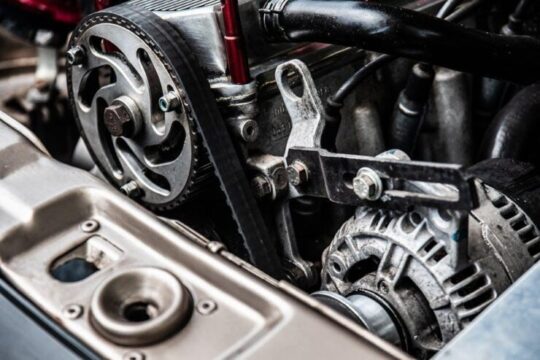
The timing belt keeps the engine’s valves and pistons moving in sync. A worn or broken belt can cause serious engine damage.
Regular checks help spot cracks, frays, or loose belts early. Understanding its importance makes engine maintenance easier and protects your car from costly repairs.
Serpentine Belt Use
The serpentine belt powers many engine accessories like the alternator, water pump, and air conditioner. It moves smoothly around pulleys to keep these parts working properly.
A worn or broken belt can stop the engine from running correctly. Checking and maintaining it helps your car stay reliable and prevents sudden breakdowns.
Battery Connection
The battery provides the power needed to start the car and run electrical systems. Strong connections ensure electricity flows properly to the engine and other parts.
Loose or corroded terminals can cause starting problems or electrical issues. Checking the battery connection helps keep the car reliable and prevents unexpected failures.
Alternator Job
The alternator charges the car battery while the engine runs. It provides power to lights, radio, and other electrical systems.
A failing alternator can cause the battery to drain quickly. Knowing its job helps you keep the car running smoothly and avoid breakdowns.
Regular Part Checks
Regular part checks help keep the engine running safely and efficiently. Inspecting belts, filters, and fluids can prevent small problems from turning into big repairs.
Engines last longer when parts are checked often, and issues are fixed quickly. Learning how to perform these checks makes car maintenance easier and more reliable.
Oil Filter Use
Oil filters remove dirt and debris from the engine oil. Clean oil helps the engine parts move smoothly and last longer.
Regular use of an oil filter keeps the engine running well and prevents damage. Understanding its use makes car maintenance easier and more effective.
Regular Part Checks
Regular part checks help keep the Coyote Engine running strong and smooth. Checking belts, filters, and fluids can stop small issues from turning into big problems.
Engines work better and last longer when parts are inspected often. Learning how to check components makes car care simple and reliable.
Learn All About Car Engine Parts
Learning all about car engine parts helps you understand how your vehicle works and why each part matters. When you know the basics, it becomes easier to care for your car and notice small issues before they grow.
This knowledge can save time, reduce repair costs, and build confidence every time you drive.
Did you enjoy reading this article? If so, then be sure to check out the rest of our blog for more!






Leave feedback about this