

Fam Fitness: How to Find a Family Fitness Center That Actually Works for Everyone
Getting an entire household to agree on anything is hard enough. Getting them to agree on a workout plan? That’s usually where most fitness resolutions quietly fall apart. One parent wants strength training, the other wants cardio, the teenager wants nothing to do with either, and the eight-year-old just wants to climb something.
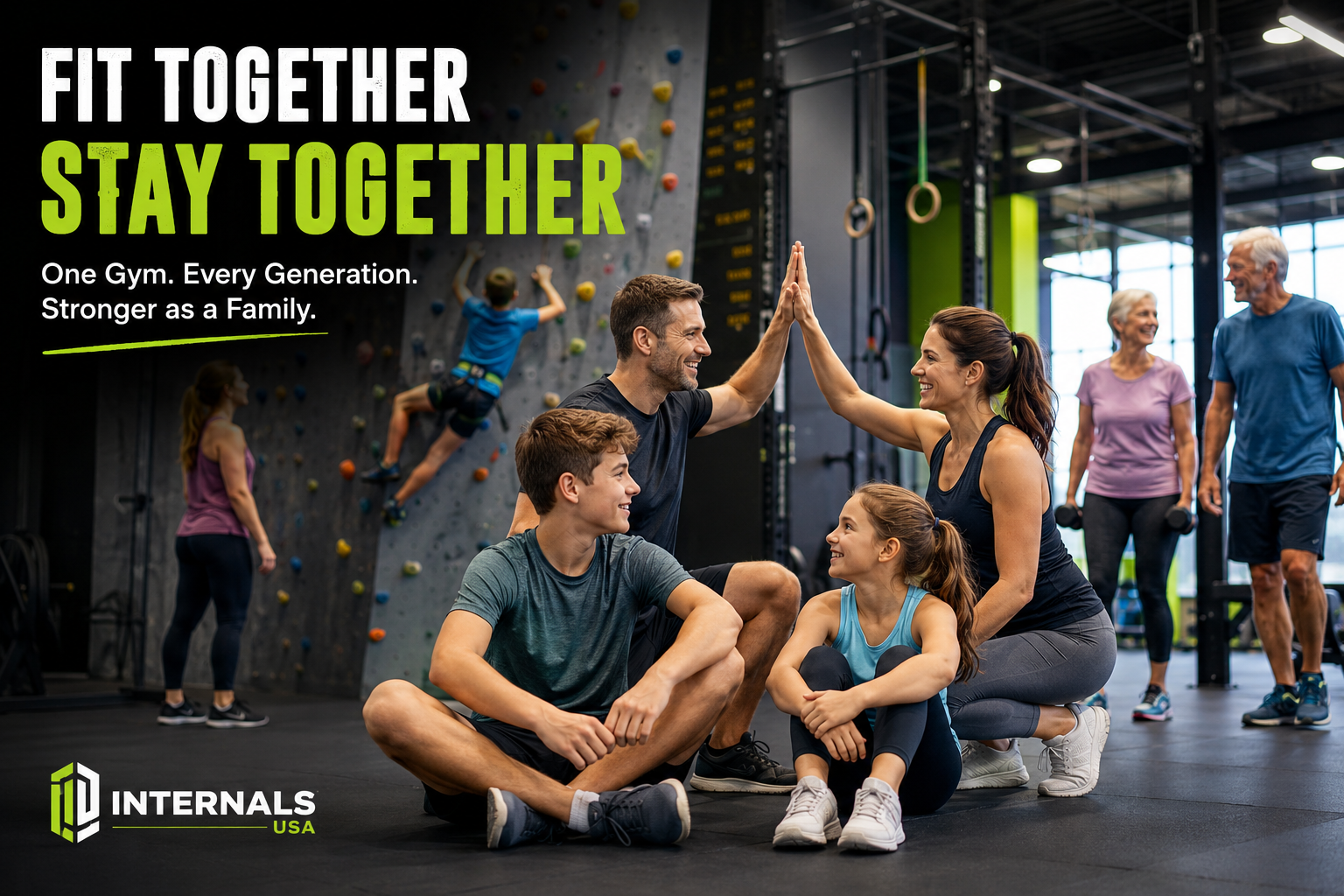
This is exactly the gap that Fam Fitness style facilities are built to close. A good family fitness center isn’t just a regular gym with a daycare bolted onto the side it’s a space designed so that every generation in the house can train at the same time, in the same building, without anyone feeling like an afterthought.
If you’ve been searching for a gym for families Internals USA that won’t leave half your household bored or unsupervised, here’s what actually matters when you’re comparing options.
Why “One Gym for Everyone” Beats Splitting Up
The old model of family fitness looked like this: Dad goes to the gym at 6 a.m., Mom takes a yoga class after work, and the kids get dropped off at a separate sports program on the weekend. It works, technically, but it also means three different schedules, three different price tags, and zero shared time.
A properly built family gym membership flips that. Instead of coordinating three separate fitness lives, everyone checks in at the same front desk. Parents can lift weights or take a class while kids are in a supervised session down the hall, and on weekends, everyone can train together in the same open space. That shared structure tends to be the difference between fitness habits that stick and ones that quietly disappear after February.
There’s also a psychological piece worth mentioning. Kids who see their parents training regularly are far more likely to treat exercise as a normal part of life rather than a chore assigned by a doctor. It’s the same principle that applies to adults building any new habit for more on how routines actually stick (or don’t), it’s worth a look at structured approaches to breaking down complex goals into daily action.
What to Actually Look for in Kids Fitness Classes
Not all “kids programs” are created equal, and this is where a lot of families get burned. Some facilities treat kids fitness classes as glorified babysitting with a few cones scattered around. Others build genuine, age-appropriate programming around coordination, strength, and confidence.
When you’re touring a facility, ask specifically about:
- Age-banded groups. A six-year-old and a fourteen-year-old should not be doing the same drills. Look for at least two or three age tiers.
- Certified youth coaches, not just gym staff pulled in to supervise.
- Progression tracking does the program build on itself week to week, or is it the same circuit on repeat?
- Injury awareness. Kids get hurt differently than adults do, and staff should know the difference between normal soreness and something that needs attention. If you’re ever unsure whether a nagging ache in your own training needs a professional look, this breakdown on recognizing when body pain requires a doctor’s visit is a useful gut-check for the whole family, not just the kids.
Facilities that treat this seriously will usually have a visible curriculum, not just “open gym with supervision.”
Family Workout Programs: What Good Programming Looks Like
The phrase family workout programs covers a lot of ground, and it’s worth being specific about what you’re paying for. The strongest programs typically include:
- Joint sessions where parents and kids do a modified version of the same workout side by side.
- Parallel-track sessions, where adults and kids train separately but simultaneously, then reconnect for a shared cool-down or activity.
- Skill-building blocks climbing, agility, basic strength mechanics that translate to other sports rather than just burning time.
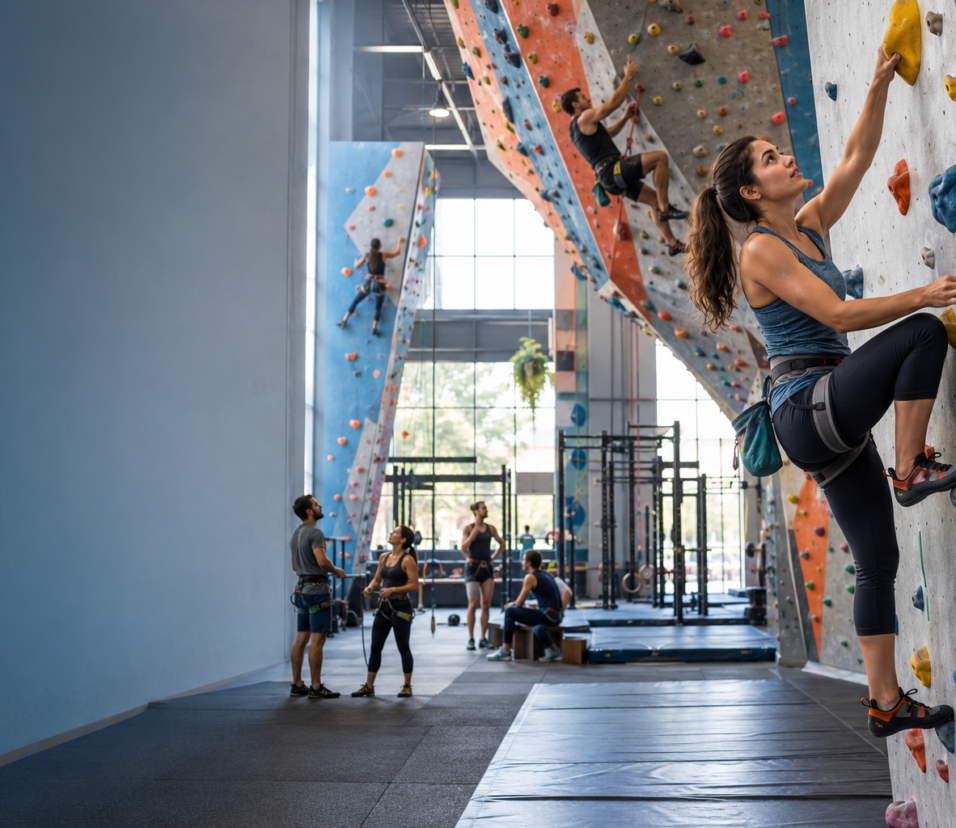
If climbing or bouldering is part of the offering, it’s genuinely one of the better entry points for reluctant kids (and reluctant adults, frankly) because it feels like play rather than exercise. There’s a good rundown of what a first climbing session actually involves in this guide to getting started with climbing and fitness, which is worth reading before you commit to a facility that leads with climbing as a core offering.
Family Training Sessions: Group vs. Private
Once you’re past the general class structure, the next decision is how personalized you want things to be. Family training sessions usually come in two flavors:
- Small-group family sessions, where a coach works with your household as a unit useful if you want shared accountability and a lower price point.
- Private family sessions, which cost more but let a trainer build a plan around specific needs a parent recovering from an injury, a teenager training for a sport, a grandparent working on mobility.
This is also where it’s worth thinking generationally rather than just parent-and-kid. A number of facilities now build programming for older adults specifically, recognizing that fitness needs shift significantly with age and hormonal changes. If there’s a grandparent or an aging parent in the household mix, it’s worth looking at how facilities structure this certified coaching built around midlife and menopause-related changes is a good example of programming that goes beyond generic “senior fitness” labeling.
What a Family Gym Membership Should Actually Include
Before signing anything, get clarity on what’s bundled into the family gym membership price versus what’s billed separately. Common sticking points:
- Are kids classes included, or an add-on per child?
- Is there a cap on how many family members can be on one membership?
- Do guest passes exist for extended family or visiting grandkids?
- What’s the cancellation or pause policy if the household’s schedule shifts (new job, new school year, etc.)?
Membership structures vary wildly between facilities, and the “family” label gets used loosely. Some places genuinely build shared value into the price; others just discount individual memberships and call it a family plan. Read the fine print the same way you would with any recurring household expense and if juggling this alongside everything else on your plate feels like one more thing, it’s worth a look at broader strategies for managing a busy household’s schedule and energy, since fitness only sticks when it fits into the rest of life rather than competing with it.
The Bottom Line
The best gym for families isn’t necessarily the closest one or the cheapest one, it’s the one where every member of the household actually wants to show up. That means checking the coaching quality for kids, the flexibility of the membership, and whether the programming genuinely connects generations instead of just housing them under one roof.
Take a trial class before committing. Watch how the coaches interact with kids specifically, not just adults. And pay attention to whether your own kids are asking to go back that’s usually the clearest signal a family fitness center is doing something right.




Leave feedback about this