

How Did Punk Rock Change Fashion?
Punk rock wasn’t just music—it was a movement. Emerging in the mid-1970s, punk rock exploded onto the scene with blistering guitar riffs, anti-establishment lyrics, and an attitude that challenged everything considered “normal.”
But its cultural impact went far beyond the music. Punk rock transformed fashion into a political, personal, and powerful form of protest. From the streets of London to the sidewalks of New York, punk style disrupted the status quo and redefined what it meant to dress with intention.
In this article, we explore exactly how punk rock change fashion—forever altering how we think about clothing, identity, and self-expression.
Punk Fashion Was Born from Rebellion
At its core, punk rock was about rebellion—against government, society, mainstream music, and polished, consumerist culture. Punk fashion became the physical embodiment of these ideals. Early punk outfits weren’t about glamour or trend-following. They were raw, aggressive, and often shocking.
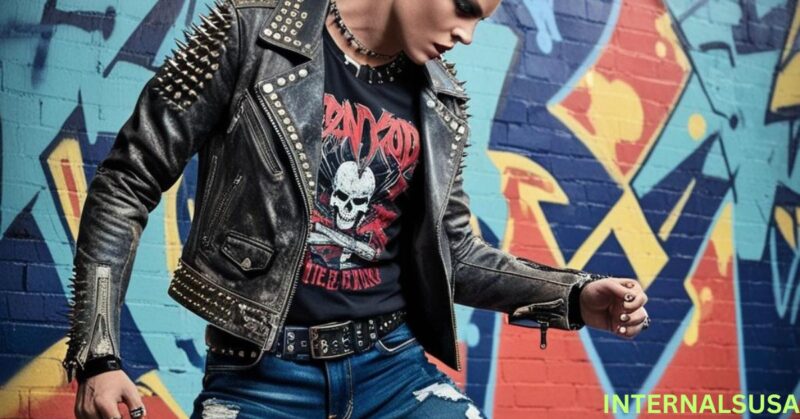
Torn t-shirts with anarchist slogans, safety pins used as accessories, spiked collars, leather jackets covered in band patches, and combat boots became trademarks of the punk look. These choices weren’t accidental—they were meant to confront societal expectations head-on and reflect the wearer’s inner defiance.
DIY (Do-It-Yourself) Became a Fashion Statement
One of punk’s most revolutionary contributions to fashion was the rise of DIY culture. Instead of relying on mainstream brands or expensive clothing, punks made and altered their own outfits. They customized jackets with hand-painted slogans, ripped their jeans intentionally, adorned clothing with found items like safety pins, chains, or duct tape, and spray-painted t-shirts with political messages or band logos.
This approach to fashion wasn’t just practical—it was political. It emphasized creativity over consumerism and individuality over conformity. This hands-on, personal style of dressing would later inspire entire movements in both fashion and sustainability, including today’s upcycling and slow fashion trends.
Gender Norms Were Challenged and Rewritten

Punk fashion also played a critical role in challenging gender roles and expectations. Androgyny became a key visual theme. Men wore eyeliner and nail polish; women wore aggressive hairstyles, leather, and boots—rejecting traditional notions of femininity.
Artists like Patti Smith, Siouxsie Sioux, and Joan Jett helped redefine what female power could look like, while male icons like David Bowie and Johnny Rotten blurred gender lines with their bold looks.
This rejection of gender norms in fashion paved the way for future movements, including goth, grunge, and queer fashion aesthetics that celebrate gender fluidity and self-expression.
Influential Designers Took Punk to the Runway
Though punk began as an underground movement, it wasn’t long before high fashion took notice. Designers like Vivienne Westwood and Malcolm McLaren were among the first to incorporate punk into couture.
Their London boutique, SEX, sold provocative, politically charged clothing that helped shape the early visual identity of punk.
Westwood’s influence, in particular, brought punk fashion to international attention. Her mix of bondage wear, tartan prints, and subversive graphics became emblematic of punk’s aesthetic. Later, renowned designers such as Alexander McQueen, Jean Paul Gaultier, and Hedi Slimane incorporated punk elements into their collections, proving that rebellion and luxury weren’t mutually exclusive.
Punk Became a Cultural Touchstone

What began as an underground subculture quickly spread across continents, becoming a global symbol of resistance. In New York, bands like The Ramones and Blondie inspired a local punk scene that adopted and adapted the fashion with its own twist.
Across Europe and Japan, punk style took root and evolved, giving rise to localized subgenres and fashion offshoots.
By the 1980s, punk had morphed into post-punk and hardcore, but its style influence never faded. Even as new subcultures emerged, many retained the punk spirit—grunge, emo, goth, and alternative styles all owe a visual debt to punk’s trailblazing fashion.
Punk’s Influence on Modern Fashion and Streetwear
Today, punk’s impact on fashion is everywhere. Streetwear brands borrow heavily from punk’s DIY look and rebellious energy. Distressed denim, leather jackets, oversized band tees, plaid skirts, and combat boots have all become staples of both street and high fashion.
The DIY ethic is echoed in modern customization trends—from sneaker art to hand-painted jackets and upcycled clothing. Punk fashion also set the stage for anti-fashion—the idea that rejecting mainstream beauty standards and trends is itself a fashion statement.
Luxury brands like Balenciaga, Raf Simons, and even Gucci have drawn on punk influences in recent years, proving that the style remains timeless in its cultural relevance.
Fashion as a Form of Protest
Perhaps punk’s most important legacy is the idea that fashion can be a tool for protest. Punk fashion showed that what we wear can reflect what we believe. Whether it’s a jacket with a political slogan or a safety pin worn in solidarity, punk taught us that fashion isn’t just about looking good—it’s about saying something.
This idea continues today, as fashion movements respond to climate change, social justice, LGBTQ+ rights, and more. Punk rock opened the door for fashion to be more than surface-level—it became a means of revolution.
FAQs
What is punk fashion?
Punk fashion is a rebellious style that emerged in the 1970s alongside punk rock music. It features ripped clothing, safety pins, leather jackets, combat boots, bold hair colors, and DIY customizations—reflecting anti-establishment attitudes and personal expression.
How did punk rock influence mainstream fashion?
Punk rock challenged traditional fashion norms and introduced raw, edgy, and expressive styles. Designers like Vivienne Westwood and high-end brands later adopted punk elements, making it a permanent influence on both streetwear and luxury fashion.
What are some key elements of punk fashion?
Some iconic elements include:
- Ripped or distressed clothing
- Leather jackets
- Band tees
- Plaid or tartan prints
- Safety pins and chains
- Studded accessories
- DIY slogans and patches
- Mohawks or colored hair
Why is punk fashion considered revolutionary?
Punk fashion was revolutionary because it used clothing as a form of protest. It rejected beauty standards, commercial fashion, and gender roles—promoting individuality, creativity, and political awareness through style.
Is punk fashion still relevant today?
es, punk fashion continues to influence modern trends. Distressed denim, DIY customization, unisex styles, and statement accessories are common today in both casual and high fashion. The punk attitude of dressing for expression, not approval, remains strong.
Conclusion:
Punk rock didn’t just change the sound of a generation—it reshaped how we think about fashion. It gave people permission to be loud, messy, political, emotional, and real in their personal style. Its raw energy and fearless attitude still ripple through runways, music, and street culture today.
In a world that often prioritizes polish and perfection, punk fashion remains a vital reminder that sometimes, the most powerful statement is the one made with a ripped shirt, a painted jacket, and an unapologetic attitude.

Leave feedback about this