


Living Well on a Budget: How to Enjoy Life Without Breaking the Bank
Living comfortably and happily doesn’t have to mean spending beyond your means. Many people believe that enjoying life requires luxury, but true fulfillment often comes from making smart financial choices and appreciating what you already have. When you learn to manage your money wisely, you can still travel, dine out, pursue hobbies, and save for the future—without financial stress.
This article will show you practical ways to enjoy life, stay financially secure, and build habits that help you live well on a budget.
Know Where Your Money Goes
The first step to living well on a budget is understanding your spending habits. You might think you know where your money goes each month, but it’s easy to lose track of small expenses that could be taking a huge chunk out of your account when you add them up.
Take some time to track your daily spending for at least 30 days. You can use an app or simply note it down in a journal. When you review your list at the end of the month, you’ll likely see areas where you can cut back without feeling deprived. Maybe it’s daily coffee runs, online shopping, or food delivery. Knowing exactly where your money goes helps you make intentional changes and redirect funds toward more important things.
Make a Monthly Budget That Works for You
A budget gives you structure and helps you plan your finances instead of reacting to them. First, list your income and fixed expenses such as rent, utilities, and transportation. Then, set aside amounts for groceries, entertainment, and savings. You can use the 50/30/20 approach—spend half (50%) on needs, 30% on wants, and save 20%. However, when deciding how much to save, it’s important to think about your long-term goals. Knowing how much to save a month helps you stay consistent and prevents financial stress later on. It’s also wise to leave a little room for flexibility so unexpected costs don’t throw you off track.
Embrace Smart Shopping Habits
You don’t have to give up shopping to live on a budget—you just need to do it wisely. Before making a purchase, compare prices online and check if there are coupons or discounts available. Many stores offer loyalty programs or cashback rewards that can help you save over time. Consider buying in bulk for non-perishable items, but only if you’ll actually use them. Timing also matters. Shopping during end-of-season sales or using price tracking tools can help you get the best deals.
Cook More, Eat Out Less
Eating out may feel convenient, but it’s one of the biggest drains on a budget. Preparing meals at home saves a significant amount of money and gives you control over ingredients and portion sizes. You can start by planning your meals for the week and shopping with a list to avoid impulse buys. Cooking in batches or using leftovers creatively can also cut down on waste. Home-cooked meals don’t have to be complicated; simple dishes like stir-fry, pasta, or homemade soups can be affordable and satisfying. When you cook more often, dining out becomes a treat rather than a routine expense.
Find Low-Cost Ways to Have Fun
Enjoyment doesn’t have to be expensive. There are plenty of ways to have fun that don’t involve spending a lot of money. Start by exploring what’s free or affordable in your community. Many towns and cities host free concerts, outdoor movies, art walks, or farmers’ markets. Spending time outdoors is another great option—go hiking, biking, or take a walk in the park. These activities cost little but do wonders for your mental and physical health. If you prefer staying in, invite friends for a movie night or host a potluck dinner. The focus should be on experiences and connections, not on how much money you spend.
Cut Costs Without Cutting Comfort
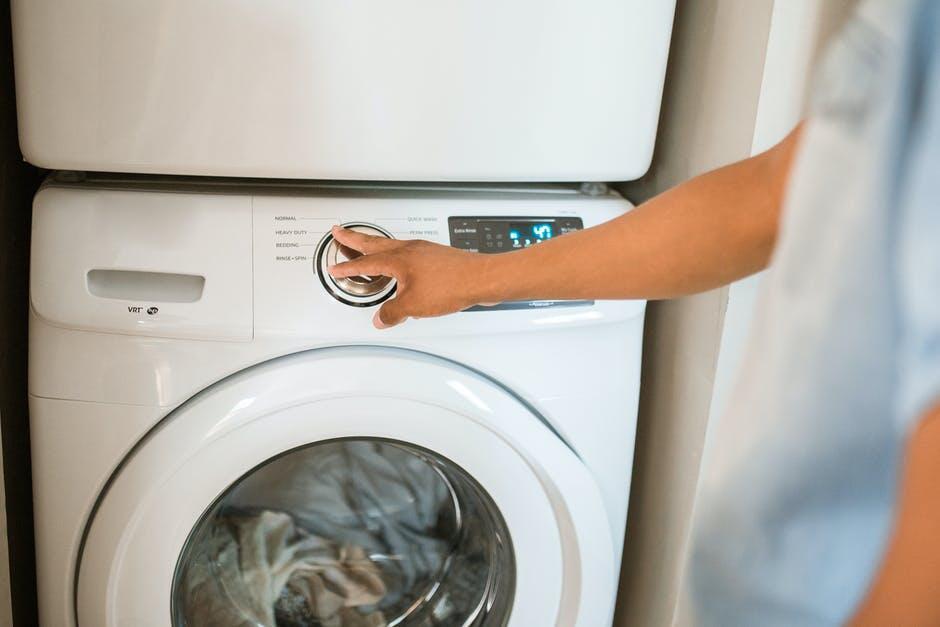
Cutting expenses doesn’t mean you have to sacrifice comfort. It’s about being smarter with what you already have. Look for ways to lower your bills—switch to energy-efficient appliances, unplug electronics when not in use, and use LED lighting. Review your subscriptions and cancel the ones you no longer use. You can also renegotiate with service providers for better rates on internet or phone plans. When it comes to daily living, small adjustments make a noticeable difference. Try cooking meals that use fewer ingredients or choose public transportation over driving when possible. These actions might seem minor, but they help stretch your budget without affecting your quality of life.
Stay Debt-Free and Focus on Financial Goals
Debt can weigh you down and limit your ability to enjoy life. Staying debt-free or paying off what you owe should be a priority. Avoid impulse purchases, especially with credit cards. If you already have debt, focus on paying it off methodically. You can begin with smaller balances to build momentum or target high-interest debts first to save money in the long run. Along with debt management, set clear financial goals. These could be buying a car, saving for a home, or building an investment portfolio. Having a goal gives purpose to your spending and saving habits. It keeps you motivated to stay disciplined even when it’s tempting to splurge. As you reduce debt and move closer to your goals, you’ll notice a stronger sense of control and freedom over your finances.
Living well on a budget is more than a financial choice—it’s a lifestyle of awareness and intention. When you make decisions based on what truly adds value to your life, you start appreciating simplicity, planning, and balance. The goal should neither be to chase every luxury nor to deny yourself joy; it should be to align your spending with what matters most.
Over time, you’ll find that financial stability brings a sense of calm and freedom that no luxury purchase can match. Living intentionally—within your means—allows you to focus on experiences, relationships, and growth, which are the real measures of a well-lived life.




Leave feedback about this