

What Is the USA Traditional Costume? Regional Dress, Native Regalia & Cultural Meaning
Introduction — Why the U.S. Has No Single “Traditional Costume”
The idea of a USA traditional costume is more complex than it sounds. Unlike nations with one widely recognised folk dress, the United States is built from hundreds of Indigenous cultures, layered with immigrant traditions, regional identities, and modern pop-culture interpretations. This diversity means the U.S. doesn’t have a single outfit that represents the entire nation. Instead, different communities carry their own forms of traditional dress, each shaped by geography, history, spirituality, and craftsmanship.
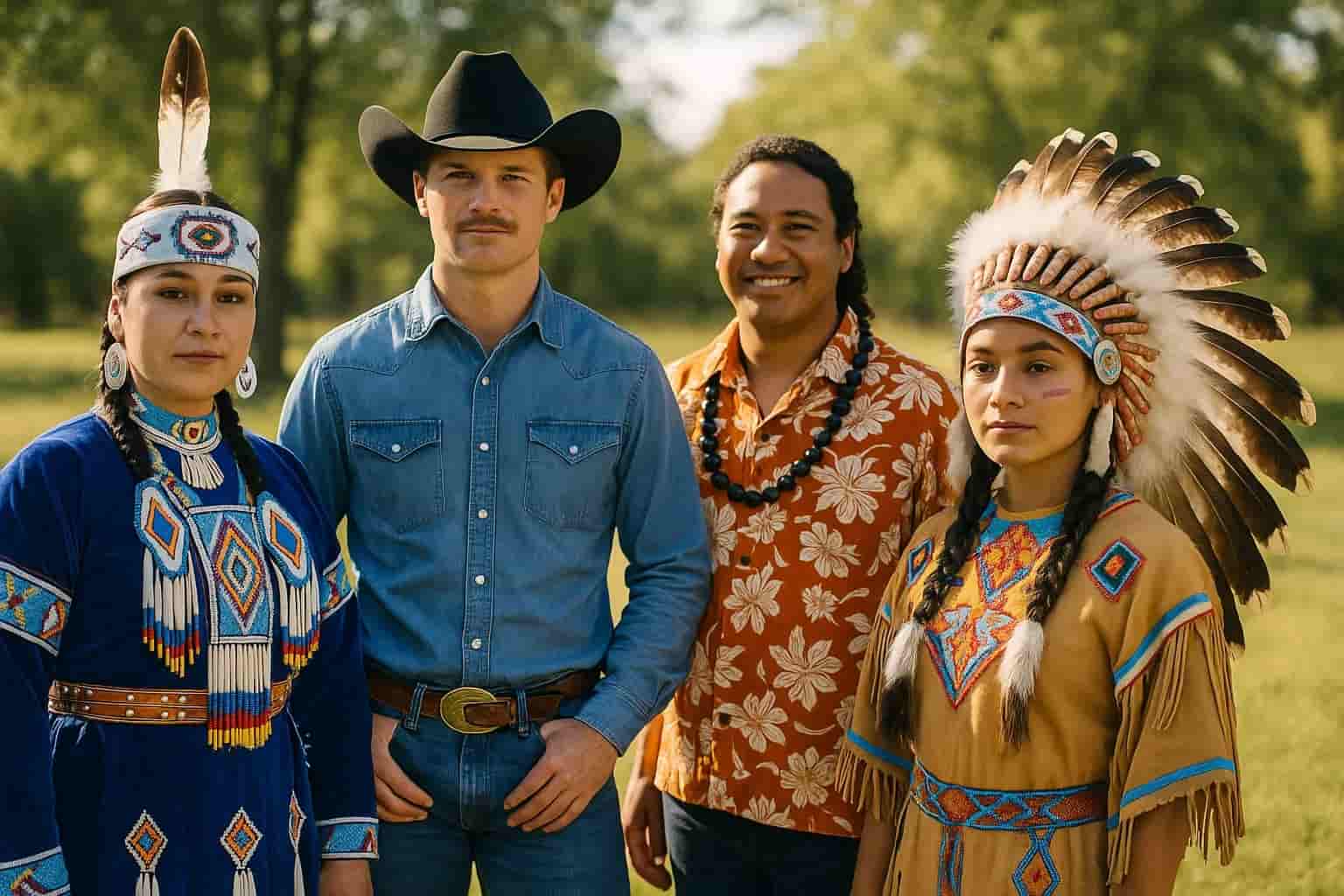
Across the country, you’ll find traditions such as Native American regalia, cowboy and Western wear, Hawaiian aloha clothing, and Arctic Indigenous garments. You’ll also see the vibrant folk dresses brought by immigrant communities, from Mexican charro suits to German dirndls. This blog explores what “traditional dress” actually means in the U.S. and how these various traditions coexist.
What Do We Mean by “Traditional Costume” in the U.S.?
When people search for “USA traditional costume,” they may be thinking of a single outfit — but in reality, the U.S. has several categories of traditional dress:
Traditional dress includes:
- Historical everyday clothing, such as pioneer or colonial-era attire
- Ceremonial regalia, especially among Indigenous nations
- Regional dress, like cowboy or Western wear
- Cultural festival clothing worn by immigrant communities
- Symbolic costumes used in pageants and themed events
Understanding the difference between regalia, folk dress, and costume helps avoid generalizations or cultural misunderstandings.
Native American Regalia: History, Meaning, and Etiquette
Native American regalia is one of the oldest and most meaningful forms of traditional dress in the U.S. Every Indigenous nation has its own styles, symbols, and materials. Regalia is used for ceremonies, gatherings, and cultural celebrations, and it often reflects family ties, clan identity, or spiritual beliefs.
Common features include beadwork, shell ornaments, woven sashes, featherwork, natural dyes, and handcrafted leather. No two sets of regalia are identical; each is personal and carries a story.
Important etiquette to remember:
- Regalia is not a costume.
- Sacred pieces, such as eagle feather headdresses, should never be imitated.
- Permission is required before wearing or photographing certain items.
Regalia teaches that clothing can be a living expression of heritage rather than simply fashion.
The Cowboy and Western Wear Tradition
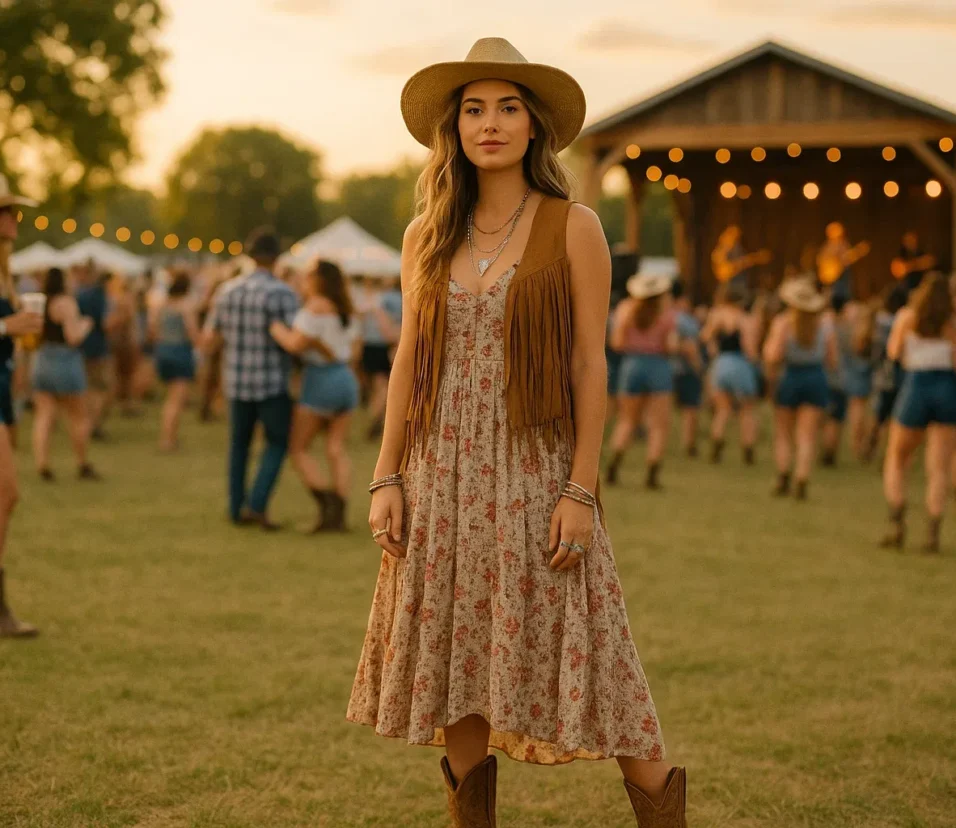
Western wear is one of the most globally recognised American styles. It grew out of the working life of ranchers, cowhands, and vaqueros, blending practicality with regional character. Over time, movies, rodeos, and music culture helped turn Western clothing into a symbol of independence and frontier identity.
Typical elements include:
- Cowboy hats and boots
- Denim jeans
- Western shirts
- Leather chaps
- Bandanas
Even today, Western wear is more than a nostalgic costume. Many people across Texas, Wyoming, Montana, and New Mexico still use these garments for daily ranch work or special events. The style’s blend of utility and character is what keeps it iconic.
Hawaiian Aloha and Polynesian Cultural Dress
Hawaii’s traditional clothing reflects Polynesian heritage, tropical climate, and artistic expression. Clothing such as the aloha shirt, muʻumuʻu, hula skirts, and leis has become widely recognized, but much of this attire has deeper origins than the tourist versions suggest.
Ceremonial hula attire, for example, follows cultural protocols and requires specific training and permission. Floral patterns, colours, and materials often have symbolic meanings tied to nature and ancestry. Every island maintains its own identity, and respecting these differences matters.
Arctic & Alaskan Traditional Clothing
In Alaska and the Arctic regions, Indigenous groups such as the Iñupiat, Yup’ik, and Aleut developed clothing designed for extreme cold.
Signature items include:
- Parkas lined with fur
- Kuspuks
- Seal-skin boots (mukluks)
- Caribou hide garments
These garments are highly functional but also artistic. Intricate stitching, trim patterns, and beadwork convey cultural stories and skills passed down through generations.
Immigrant Folk Dress & Ethnic Communities in the United States
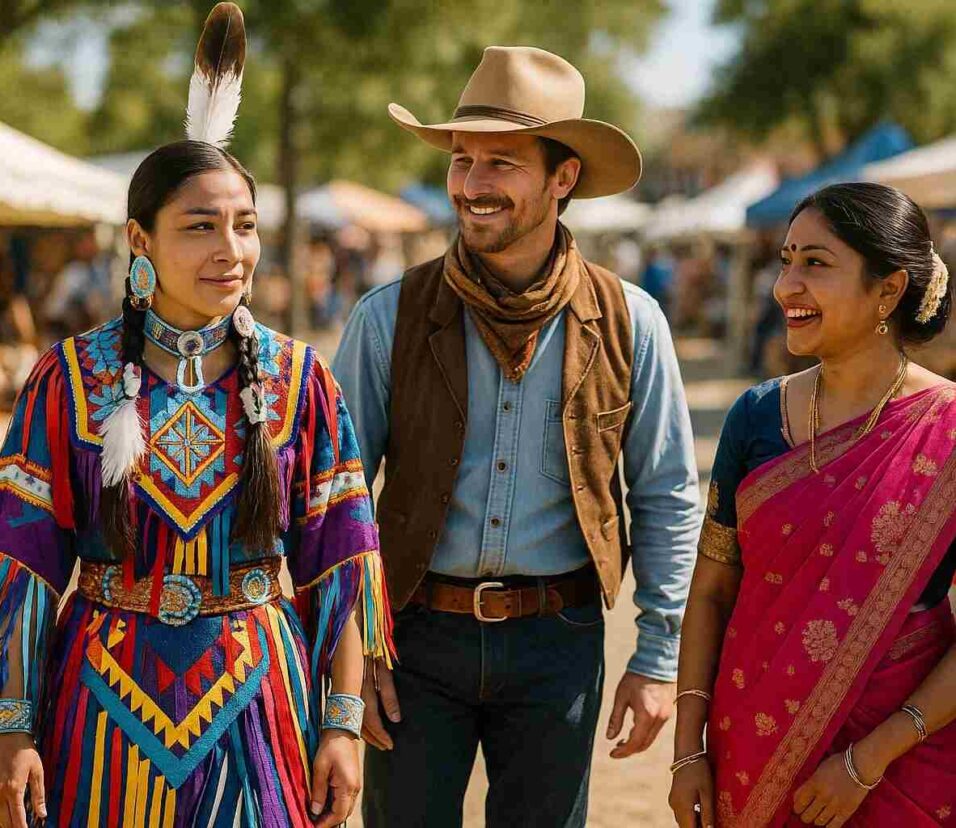
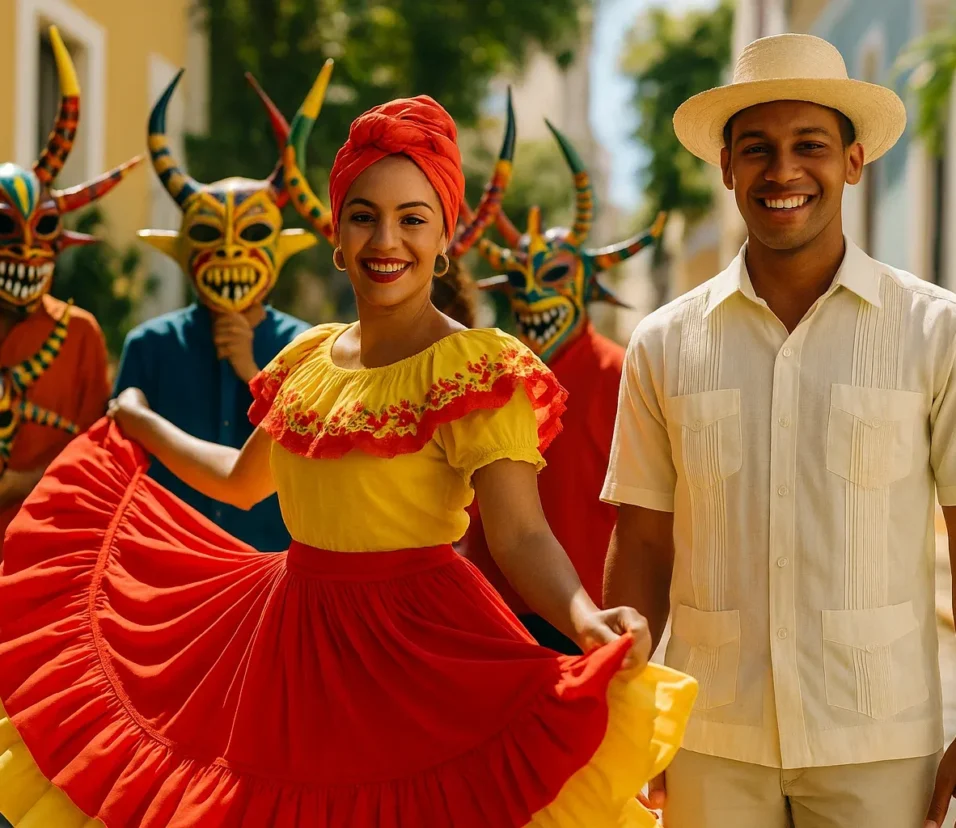
A major part of American traditional dress comes from immigrant communities who continue to preserve their heritage. These outfits appear during cultural festivals, religious ceremonies, and holidays.
Examples include:
- South Asian sarees, lehengas, and sherwanis
- Mexican huipils and embroidered dresses
- Chinese qipaos
- West African ankara prints and agbadas
- European dirndls and lederhosen
These garments are essential for community identity and show how tradition evolves in a multicultural society.
Pageantry, Festivals & Pop Culture Interpretations
While traditional dress carries centuries of meaning, the U.S. also embraces creative and modern interpretations. Events such as the Miss USA pageant feature state costumes inspired by landmarks, industries, or local symbols. State fairs, comic conventions, and cultural parades add another layer of expressive dress.
These modern interpretations can be:
- Fun and celebratory
- Exaggerated or symbolic
- Sometimes controversial when stereotypes are used
They show how Americans use costume to tell stories about place and identity.
When Is It Appropriate to Wear Traditional Dress?
Because traditional clothing can be culturally sensitive, respectful etiquette matters.
Guidelines include:
- Ask before wearing clothing from a culture that isn’t your own
- Avoid sacred or ceremonial garments
- Support authentic artisans, not mass-produced imitations
- Learn the history and meaning behind what you wear
Respect leads to appreciation rather than appropriation.
Materials, Craft, & How Garments Are Made
Traditional American garments often use locally available materials and techniques:
- Beadwork and quillwork in Native regalia
- Leatherwork in Western wear
- Barkcloth and natural fibers in Polynesian dress
- Fur, skins, and sinew thread in Arctic clothing
- Intricate embroidery in immigrant folk dress
Each tradition has unique craftsmanship that takes years to master.
Conclusion
There is no single usa traditional costume, and that is what makes American culture fascinating. The country’s clothing heritage spans Indigenous regalia, Western ranch wear, Hawaiian and Polynesian dress, Arctic survival garments, and the folk costumes of countless immigrant communities. Together, they form a mosaic of identity, belonging, and history. By learning where these traditions come from and how to respect them, we gain a clearer understanding of what traditional dress truly represents in the United States.
FAQs About USA Traditional Costume
1. Does the USA have an official national traditional costume?
No, the USA does not have one official national traditional costume. Because the country is culturally diverse and made up of many ethnic backgrounds, different regions and communities have their own traditional attire. Native American regalia, cowboy clothing, and Hawaiian Aloha wear are among the most commonly recognized.
2. What is considered the closest thing to a traditional American costume?
The cowboy outfit—jeans, boots, hat, and a western-style shirt—is often seen as the closest representation of a US traditional costume. It’s strongly associated with American history, the Old West, and national identity, making it symbolically popular in global culture.
3. Is Native American clothing part of the USA’s traditional costume?
Yes, Native American regalia is one of the most authentic forms of traditional clothing in the USA. Each tribe has its own style, including beadwork, feathers, leather garments, ribbon dresses, and ceremonial outfits used in powwows and cultural events.
4. Do different US regions have their own traditional clothing?
Absolutely. Many US regions have styles linked to local culture and history. Examples include:
- The Southwest’s Navajo and Pueblo woven clothing
- The Midwest’s frontier-inspired garments
- Hawaii’s Aloha shirts and Muʻumuʻu dresses
- Alaska Native parkas and traditional fur clothing
5. Why doesn’t the USA have a single national dress like other countries?
The USA is built on multiculturalism, with traditions from Native tribes, European settlers, African heritage, Asian communities, and many global cultures. Because of this diversity, no single costume could represent the entire nation, making regional styles more meaningful.
6. What clothing styles represent American culture today?
Modern American culture is reflected in casual, practical clothing — jeans, T-shirts, sneakers, and sportswear. These are now globally recognized as American fashion staples, influenced by pop culture, streetwear, and the entertainment industry.
7. Are USA traditional costumes still worn today?
Yes, many are still worn during cultural festivals, ceremonies, state fairs, reenactments, powwows, and heritage celebrations. In Hawaii, Aloha shirts and Muʻumuʻu dresses are everyday clothing, while cowboy attire remains popular in western states.
8. Can tourists wear USA traditional costumes?
Tourists can wear cowboy clothing, Hawaiian attire, and general regional outfits. However, Native American regalia should be worn respectfully and not used as a costume, as it holds deep cultural and spiritual significance.


Leave feedback about this