

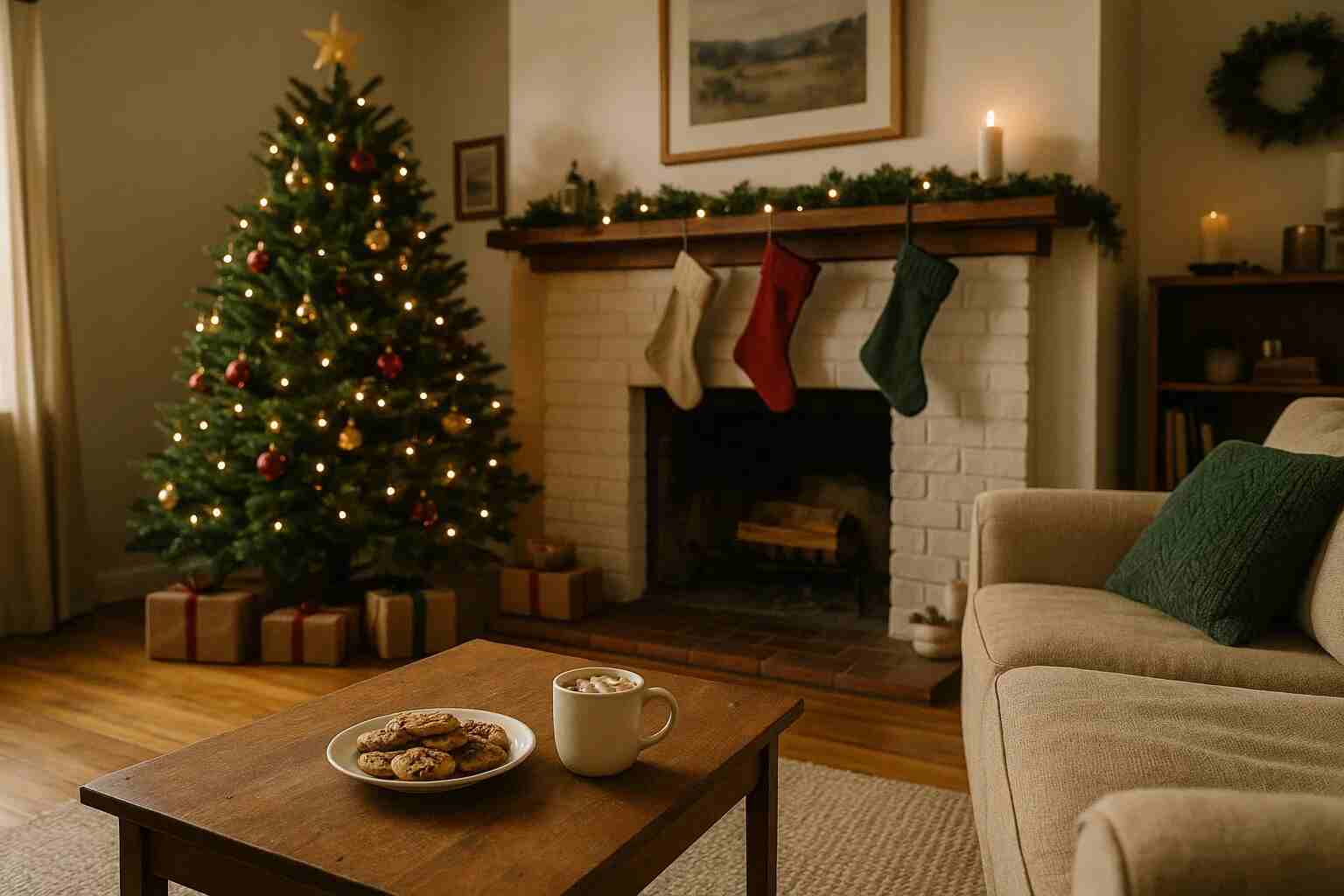
Why Americans Love These USA Xmas Traditions: History & Modern Celebrations
Introduction — What “USA Xmas traditions” Means in 2025
USA Xmas traditions are a blend of history, culture, and modern creativity. While many people picture Christmas trees, Santa, and stockings, the reality is far richer and far more diverse. In 2025, American Christmas celebrations represent centuries of migration, regional influence, religious observance, and evolving family customs. From the Moravian putz in Pennsylvania to Nochebuena gatherings in Hispanic households, the holiday is shaped by hundreds of distinct communities across the country.
For many families, Christmas begins weeks before December with decorating, market visits, travel plans, and charity drives. Others embrace newer traditions like digital Advent calendars, sustainable trees, or virtual gatherings with loved ones in different states. These layers make the keyword usa xmas traditions more than just a seasonal phrase — it represents a cultural experience that shifts with each generation.
This guide blends history with practical ideas, regional examples, and modern twists to offer a complete picture of how Americans celebrate Christmas today.
A Short History: How Christmas Arrived and Evolved in the U.S.
From Colonial Divides to Nationwide Celebration
Christmas wasn’t always the festive holiday Americans know today. Colonial America was divided: Puritans in New England discouraged celebrations, while settlers in Virginia and other regions embraced feasting and social gatherings. Over time, immigrant groups — especially Germans, Dutch, Irish, and later many others — brought new customs like trees, carols, and festive meals. By the 19th century, these blended traditions shaped the early American Christmas identity.
When Christmas Became a Federal Holiday (1870) and Why
In 1870, the U.S. government officially recognized Christmas as a federal holiday. This decision reflected the growing national embrace of family-centered celebrations, winter festivities, and community gatherings. The industrial era also helped standardize gift-giving and seasonal marketing, laying the foundation for many traditions Americans still follow today.
The Christmas Tree & Decorations: Why They Matter
Tree Traditions & the Rockefeller Center Influence
Christmas tree culture in the U.S. grew from German immigrant traditions. Families typically choose between real evergreens and artificial options, each with its own symbolism. Real trees offer fragrance and nostalgia; artificial trees provide convenience and longevity. The iconic Rockefeller Center tree, introduced in the 1930s, popularized large public displays and helped turn tree-lighting ceremonies into a nationwide event.
Exterior Displays & Neighborhood Competitions
Outdoor lighting has become one of the most recognizable USA Xmas traditions. Many neighborhoods coordinate synchronized light shows, inflatable decorations, and full-house displays. Communities like Dyker Heights in New York and several midwestern towns attract thousands of visitors each December, proving how deeply lighting culture is woven into American holiday life.
Food & Drink: Classic American Christmas Meals & Regional Favorites
Traditional Foods: Turkey, Ham, Pies, Cookies & Eggnog
While Thanksgiving is known for turkey, many American families repeat similar dishes on Christmas. Glazed ham, roast turkey, stuffing, mashed potatoes, and cranberry sides are common. Desserts follow regional preferences: pumpkin pie, pecan pie, sugar cookies, fudge, gingerbread, and red-and-green themed holiday sweets. Eggnog, whether homemade or store-bought, continues to be a staple drink during the season.
Regional Dishes & Cultural Influences
American Christmas food varies dramatically across regions. In the Southwest, tamales are a centerpiece of Christmas Eve gatherings. In New England, seafood dishes — especially lobster or cod — appear on holiday tables. Many Hispanic families prepare Nochebuena feasts with roasted pork or tamales. Italian American families often enjoy the Feast of the Seven Fishes. Filipino American homes might celebrate with bibingka or lechon. These variations highlight how food reflects cultural roots as much as seasonal celebrations.
Santa, Stockings & Family Gift Traditions
The Story of Santa Claus in America
The American Santa Claus evolved from a mix of traditions — Dutch Sinterklaas, British Father Christmas, and the imagery popularized by 19th-century writers and illustrators. The red-suited, jolly figure recognized today became iconic through advertising, literature, and media.
Stockings, Letters & Modern Gift Trends
Hanging stockings is one of the oldest American Christmas customs. Children write letters to Santa weeks before Christmas, often listing gifts or sharing good deeds. Families increasingly embrace trends like secret gifting, handmade gift exchanges, minimalistic presents, or experiences instead of physical items. Some households also adopt “four-gift rules”: something you want, need, wear, and read.
Religious Observances & Community Rituals
Midnight Mass, Nochebuena & Faith-Based Traditions
For many families, religious services remain central to Christmas Eve. Midnight Mass, candlelight services, and choir concerts fill churches nationwide. Hispanic families often celebrate Nochebuena — a late-night gathering combining worship, food, and family bonding.
Moravian Lovefeast & Putz Displays
Moravian communities in states like Pennsylvania and North Carolina maintain unique rituals such as the lovefeast — a simple meal shared during worship — and elaborate putz nativity scenes. These customs highlight how deeply regional histories shape American holiday traditions.
Entertainment: Caroling, Shows, Markets & Pageants
Christmas entertainment in the U.S. is a mix of nostalgic traditions and modern events. Caroling groups visit neighborhoods, schools host holiday pageants, and cities set up Christmas markets inspired by European styles. The Radio City Rockettes, local theater productions, and seasonal orchestral concerts attract families looking for festive outings. These events create shared memories and reinforce the communal spirit of the season.
Lights & Public Displays: The American Love of Spectacle
Top Neighborhoods & Planning a Light Tour
Many families consider light tours a must-have part of Christmas. Famous locations like Dyker Heights (NY), the Austin Trail of Lights (TX), and McAdenville (NC) draw enormous crowds. Most families simply drive through nearby neighborhoods, enjoying themed displays and community decorations.
Charity Light Shows & Drive-Through Experiences
Drive-through light festivals have grown in popularity, often supporting local charities. These events pair synchronized music with large-scale lighting arrangements, making them accessible for families, seniors, and visitors seeking a low-stress outing.
Regional & Ethnic Variations: A Deeper Look
Hispanic & Latino Traditions
Hispanic communities celebrate Christmas with vibrant traditions like Nochebuena, tamaladas, Posadas processions, and festive music. These gatherings often focus on extended family bonding and late-night meals.
Filipino, African American & Native American Traditions
Filipino Americans may celebrate Simbang Gabi or enjoy dishes like bibingka and puto bumbong. African American families often incorporate gospel music, church events, or Kwanzaa celebrations beginning on December 26. Some Native American communities blend Christian traditions with winter storytelling, drumming, or ceremonial dances.
Modern Twists: Digital, Sustainable & New Traditions
Christmas in 2025 is more innovative than ever. Virtual gatherings help families stay connected across states. Digital Advent calendars, online gift exchanges, and Christmas movies streamed together over video calls are increasingly common. Sustainability has also shaped new traditions: potted trees, LED lighting, recycled ornaments, and experience-based gifting. Many families prioritize charity, donating time or resources to local organizations during the holiday season.
30 Practical Family Traditions to Start This Year
Decorations & Home
- DIY ornament night
- Family tree-lighting countdown
- Eco-friendly or potted tree tradition
- Create a yearly holiday scrapbook
- Personalized stockings for every family member
Food & Kitchen
6. Cookie baking weekend
7. Gingerbread house competition
8. Hot chocolate tasting night
9. Regional recipe night (try a new state’s tradition)
10. Christmas breakfast buffet
Activities
11. Neighborhood light tour
12. Holiday movie marathon
13. Board game night
14. Caroling with friends
15. Write letters to seniors or soldiers
Giving Back
16. Donate toys or clothes
17. Volunteer as a family
18. Hold a food-drive gathering
19. Sponsor a family
20. Plant a symbolic “giving tree” with notes
Family Bonding
21. Storytelling night
22. Read a holiday book each evening
23. Create a family playlist
24. Handwrite holiday cards
25. Share gratitude notes
Travel & Outdoors
26. Visit a Christmas market
27. Attend a local parade
28. Go ice skating
29. Take a winter hike
30. Plan a weekend holiday road trip
Pros & Cons of Classic USA Xmas Traditions
Pros
Christmas traditions strengthen family bonding, preserve cultural identity, and create lifelong memories. They offer continuity through generations and bring communities together through music, charity, and shared celebration.
Cons
The holiday can become expensive due to gifts, décor, and travel. Some families feel pressure to maintain traditions even when budgets or schedules make it difficult. Commercialization can overshadow meaning, and not all traditions are inclusive or environmentally friendly.
FAQ
What are common Christmas traditions in the USA?
Common traditions include decorating trees, hanging stockings, cooking festive meals, attending church services, and visiting light displays.
When did Christmas become a federal holiday?
Christmas became a federal holiday in 1870, reflecting its growing cultural and national importance.
How do Americans celebrate Christmas Eve vs Christmas Day?
Christmas Eve often includes religious services, meals like Nochebuena, and final preparations. Christmas Day focuses on gift-opening, family meals, and relaxation.
What traditional foods do Americans eat at Christmas?
Common dishes include ham, turkey, stuffing, cookies, pies, seafood in New England, and tamales in Hispanic communities.
Where are the best Christmas lights in the U.S.?
Popular spots include Dyker Heights (NY), McAdenville (NC), and large parks and drive-through light festivals across the country.
What regional or ethnic traditions exist?
Regions celebrate with customs like Moravian putz displays, Nochebuena feasts, seafood dinners, and winter storytelling in Native communities.
Conclusion — The Future of USA Xmas Traditions
USA Xmas traditions continue to evolve, shaped by history, immigration, technology, and family values. As the country grows more culturally diverse, celebrations reflect a unique mix of old customs and modern interpretations. Whether it’s a traditional tree, a tamalada, a digital Advent calendar, or a neighborhood light tour, each family chooses what brings meaning and joy to their holiday season.
In 2025, Christmas in the United States is more inclusive, creative, and community-focused than ever. Families can blend classic elements with new rituals to create celebrations that reflect who they are and what they cherish. Start small, pick traditions that matter, and let them grow into memories that last a lifetime.




Leave feedback about this