

Traditional Japanese Outfit Components: How to Build a Complete Kimono Ensemble
Introduction
Traditional Japanese outfits, collectively known as wafuku, are more than just clothing—they are a window into Japan’s rich culture and history. From formal ceremonies to casual summer festivals, these garments reflect the wearer’s respect for tradition, aesthetic taste, and social awareness. Understanding traditional Japanese outfit components is key to appreciating their beauty and wearing them correctly.
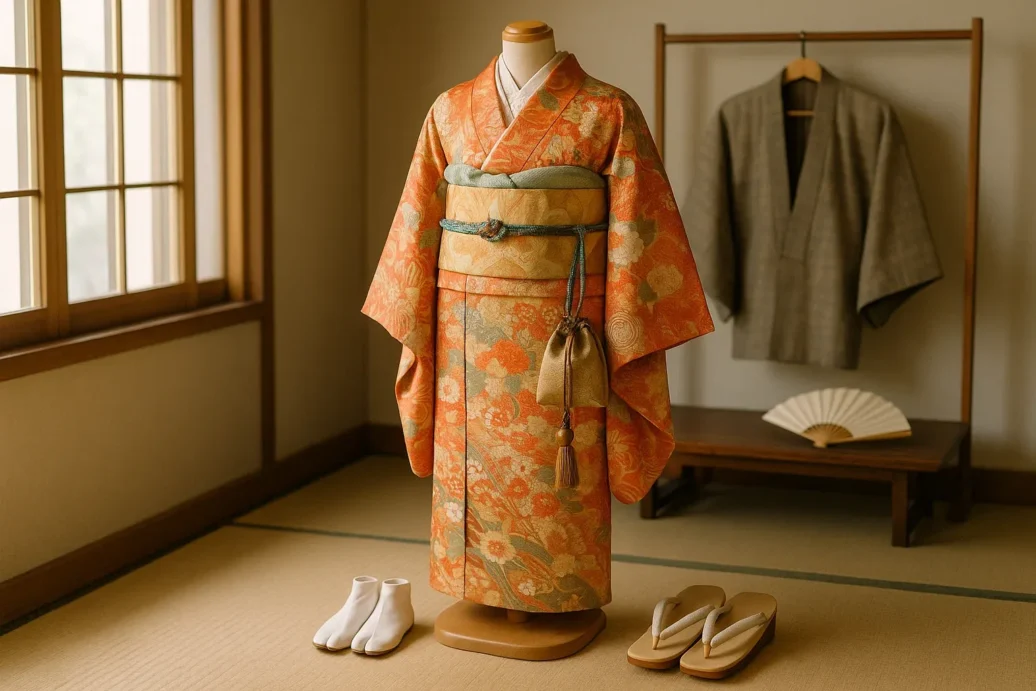
When we talk about “components,” we mean all the elements that make up a complete ensemble: main garments, under-layers, belts, footwear, outer garments, and accessories. Each piece has a purpose, whether it’s functional, symbolic, or purely decorative.
This guide covers everything you need to know—from the structure of a kimono to the proper socks and sandals, from casual yukata variations to formal ceremonial hakama. By the end, you will understand how these components come together to form a harmonious and authentic Japanese outfit.
What is Wafuku — Traditional Japanese Clothing Basics
Wafuku refers to traditional Japanese clothing that dates back centuries. Unlike Western clothing, which evolved primarily for practicality and fashion, wafuku carries deep cultural meaning. Historically, these garments indicated social status, age, and occasion. Today, they are worn during weddings, tea ceremonies, festivals, and other formal or cultural events.
The history of wafuku can be traced to ancient robes, which were simple and straight-cut, gradually evolving into the kimono we recognize today. Knowing the components of wafuku is important not only for wearing it properly but also for showing respect to Japanese traditions. Proper knowledge ensures that you honor the culture and avoid common mistakes, such as wearing the kimono backward or mismatching seasonal patterns.
The Core Garment — Kimono (and Its Structure)
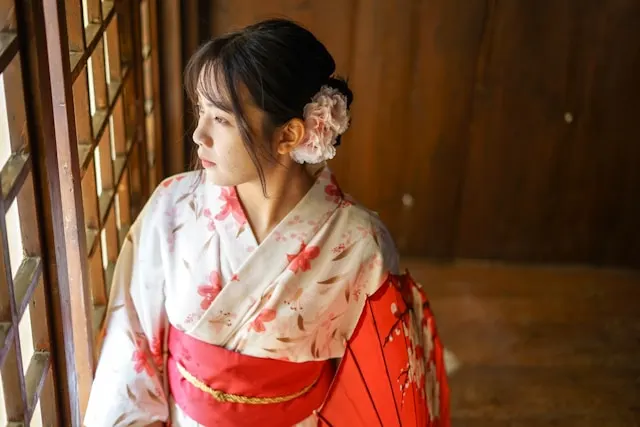
The kimono is the centerpiece of traditional Japanese outfits. Characterized by a T-shaped design with straight seams, it features overlapping panels with the left side over the right (except for funerals).
Structural Parts of a Kimono
- Body Panels: The main fabric sections forming the torso.
- Okumi: The front panel extending from the side to the hem.
- Eri (Collar): Adds structure and elegance; may include decorative layers.
- Sode (Sleeves): Sleeve length varies depending on formality, age, and occasion.
Variants
- Lined vs. Unlined: Lined kimono are worn in colder months, unlined for summer.
- Seasonal Fabrics: Silk, cotton, and synthetic blends depending on comfort and formality.
- Sleeve Length: Young, unmarried women often wear longer sleeves (furisode), while shorter sleeves indicate adulthood or casual wear.
Under-Garments & Foundation Layers
A complete kimono outfit requires under-layers for structure, modesty, and comfort.
Common Under-Garments
- Hadajuban: A thin under-kimono layer worn closest to the skin.
- Nagajuban / Juban: Worn over the hadajuban, it protects the outer kimono from sweat and oils.
Securing Cords
- Koshihimo: Thin cords used to secure the kimono in place before tying the obi.
- Han-eri: Optional decorative collar covers that add elegance and prevent staining.
These foundation layers ensure the kimono fits neatly, maintains its shape, and allows the outer garments to drape gracefully.
The Belt — Obi and Related Accessories
The obi is the wide sash that wraps around the waist, holding the kimono securely and adding decorative flair.
Obi Types
- Casual vs. Formal: Simple cotton obi for everyday wear; silk or elaborately patterned obi for formal events.
- Men’s vs. Women’s: Men’s obi are generally narrower and simpler; women’s obi are wide and decorative.
Accessories
- Obi-age: A small cloth tucked into the top of the obi for decoration.
- Obi-jime: A decorative cord tied around the obi to secure it.
- Obi-dome: A small decorative clasp or accessory attached to the obi-jime.
- Netsuke: Small carvings used historically to attach pouches.
- Kinchaku: Drawstring pouches carried as accessories.
The style of tying, tightness, and accessory choice can indicate the formality of the occasion.
Outer Layers and Over-Garments — Haori, Hakama & More
Haori
A haori is a hip- or thigh-length jacket worn over the kimono. It adds warmth and formality and can be casual or ceremonial depending on the fabric and design.
Hakama
Hakama are pleated pants or skirt-like garments worn over kimono, traditionally by men but also by women in martial arts or formal ceremonies.
Outer garments not only provide protection against the elements but also enhance the overall visual harmony and indicate the level of formality.
Footwear & Socks — Geta, Zori, Tabi
Footwear completes a traditional outfit and follows etiquette rules.
- Geta: Elevated wooden sandals, often worn with casual kimono or yukata.
- Zori: Flat, formal sandals made from straw or leather, suitable for ceremonial kimono.
- Tabi: White split-toe socks, essential for formal wear; sometimes barefoot indoors, especially during summer festivals.
The choice of footwear depends on the kimono type, formality, and occasion.
Accessories & Final Touches — From Hair to Pouches
Hair Accessories
Kanzashi: Decorative hairpins, often elaborate for formal wear.
Kushi: Combs used for styling traditional hairdos.
Pouches and Small Items
Kinchaku: Small drawstring bags used for carrying essentials.
Netsuke: Historically functional, now decorative.
Other Touches
- Han-eri: Collar accessories for elegance.
- Fans and Umbrellas: Seasonal and decorative accessories, often used during ceremonies or festivals.
Variations — Yukata, Casual vs Formal, Men’s vs Women’s, Seasonal Changes
Casual vs Formal
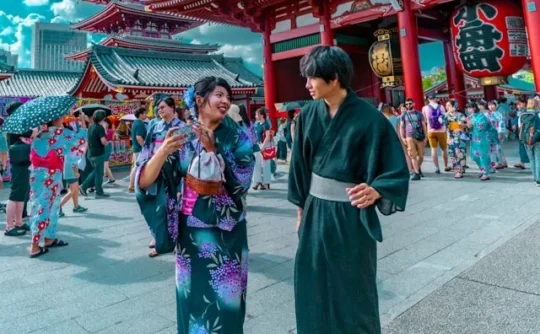
- Yukata: Lightweight cotton kimono worn in summer, casual events, or festivals.
- Formal Kimono: Silk or other fine fabrics, layered and accessorized for weddings, tea ceremonies, or official occasions.
Men’s vs Women’s Outfits
- Men’s kimono tend to be darker and simpler, often paired with hakama.
- Women’s kimono feature vibrant colors, patterns, and elaborate obi.
Seasonal Changes
- Summer: Lightweight fabrics, minimal layers, lighter footwear.
- Winter: Lined kimono, haori jackets, additional layers, and heavier fabrics.
How to Assemble a Full Traditional Outfit — Step-by-Step Guide
- Undergarments: Start with hadajuban and nagajuban for comfort and structure.
- Kimono: Wrap left side over right, align panels neatly.
- Koshihimo: Secure the kimono in place.
- Obi & Accessories: Tie the obi with proper knots; add obi-age, obi-jime, or obi-dome.
- Footwear: Wear tabi socks, then zori or geta depending on formality.
- Outer Layer: Add haori or hakama if required.
Tips for Beginners
- Ensure size and fit are correct for comfort and elegance.
- Match colors and patterns harmoniously.
- Respect proper etiquette in tying obi, layering, and wearing footwear.
Why These Components Matter — Cultural Significance & Aesthetic Value
Each component of a traditional Japanese outfit carries cultural symbolism. Colors, patterns, and motifs can indicate season, age, marital status, or formality. The kimono, obi, and accessories together create a visual story that communicates respect, aesthetic taste, and historical awareness.
Even in modern Japan, these garments are worn during ceremonies, festivals, or cultural events, reflecting a blend of tradition and contemporary appreciation. Understanding the components allows wearers—locals or tourists—to honor the culture and participate respectfully.
FAQ / People Also Ask
What are the parts of a kimono outfit?
Main garment, under-layers (juban), obi belt, footwear (tabi, zori/geta), and optional outer garments (haori, hakama).
What do you wear under a kimono?
Hadajuban or nagajuban are worn underneath to protect the kimono and provide comfort.
What kind of footwear goes with a kimono or yukata?
Zori for formal wear, geta for casual or festival outfits. Always wear tabi socks for formal occasions.
What’s the difference between a kimono, yukata, and hakama?
Kimono: versatile formal or casual robe.
Yukata: lightweight summer robe, casual.
Hakama: pleated pants/skirt worn over kimono, formal or martial arts.
Do you always need an obi belt with a traditional Japanese outfit?
Yes, it secures the kimono and adds decorative value. Some casual yukata may use simpler sashes.
Can men wear hakama and haori?
Yes, these are traditional male garments, worn for formal or ceremonial occasions.
Why do traditional Japanese outfits use split-toe socks (tabi)?
Tabi are worn with sandals like zori or geta, allowing better grip and maintaining etiquette indoors.
Conclusion
Mastering traditional Japanese outfit components allows anyone to appreciate the elegance, symbolism, and cultural depth of wafuku. From the kimono and under-layers to the obi, footwear, outer garments, and accessories, each element has a purpose and story.
Wearing these outfits respectfully demonstrates not only aesthetic appreciation but also cultural awareness. Whether attending a festival, ceremony, or simply exploring Japan’s traditions, understanding and assembling these components correctly ensures a beautiful and authentic experience.

Leave feedback about this